What to Eat in Reykjavik
What should you eat in Iceland? Discover must-try dishes, local specialties, and how to eat well - from budget bites to high-end Nordic cuisine.
Icelandic food is built on lamb, fresh seafood, and dairy, shaped by centuries of preservation in a place where nothing grows easily. The must-tries are kjötsúpa (lamb soup), plokkfiskur (fish stew), skyr, harðfiskur, and the famous pylsur hot dog. The food scene today ranges from Viking-era staples to three Michelin-starred kitchens. Budget travellers can eat well by mixing bakeries, food halls, and the occasional hot dog stand, while splurge-worthy meals involve langoustine and New Nordic tasting menus.
Use the guide to plan independent food stops, or add a guided experience. Local food, city history, hot dogs, fish and Icelandic ice cream. Explore The Guided Option
Affiliate links may earn us a commission at no extra cost to you. Restaurant prices in the original guide are dated estimates; confirm current menus.Quick Facts: Eating in Reykjavik
| Budget meal | Hot dog (pylsur): ~880 ISK (~$6). Fish and chips: 1,390-1,590 ISK (~$10-$11). Prices verified April 2025. |
| Mid-range dinner | 2,700-5,350 ISK per main (~$20-$38). Soup + bread lunch specials often under 2,500 ISK. Prices verified April 2025. |
| Fine dining / tasting menus | Dill (1 Michelin star): from ~13,900 ISK (~$100+) per person. Book weeks in advance. Prices verified April 2025. |
| Must-try dishes | Kjötsúpa, plokkfiskur, skyr, pylsur, harðfiskur, langoustine, rúgbrauð |
| Tipping | Not customary. Menu prices are final, no tax added at the table. |
| Grocery savings | Bónus is the cheapest supermarket. Avoid 10-11 (tourist-adjacent, overpriced). |
| Michelin stars (2025) | 3 restaurants in Iceland: Dill (Reykjavik), Óx (Reykjavik), Moss (Blue Lagoon area) |
| Food festivals | Food and Fun Festival: late February/early March annually. International chefs cook with Icelandic ingredients only. |
What Traditional Icelandic Foods Should You Try First in Reykjavik?
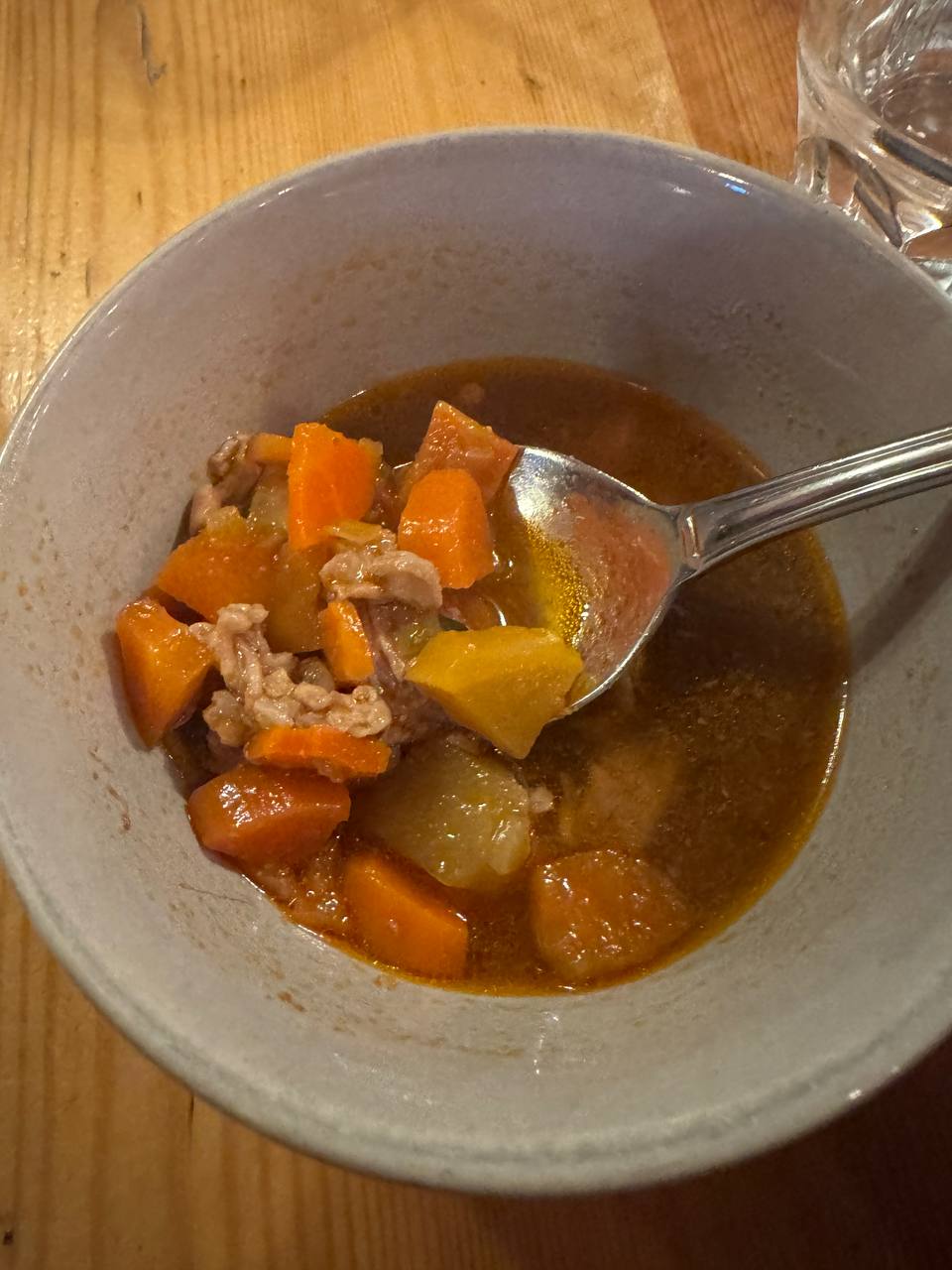 Start with kjötsúpa (lamb soup), plokkfiskur (creamy fish stew), and a pylsur hot dog from Bæjarins Beztu. Add skyr somewhere in there – a thick cultured dairy that’s been here for over a thousand years and tastes nothing like the watered-down versions sold abroad. These four things will tell you more about Icelandic food culture than a week of restaurant browsing on your own.
The first thing to understand about traditional Icelandic food is what it was built for. Not restaurants. Not tourism. Survival. Winters lasted. The sea was brutal. Nothing much grew. So Icelanders smoked, fermented, dried, and preserved everything they could get from the land and water around them. That history is still on every menu.
Kjötsúpa is the best place to start. Bone-in lamb, root vegetables, potatoes, a broth that takes hours to build. Every household has its own version. Every roadside café has a pot on. The lamb here tastes different because it spends summer roaming open highland pasture, eating wild herbs and moss with no grain feed and no hormones. By the time it goes into the pot, the meat is already something. The soup just pulls it out.
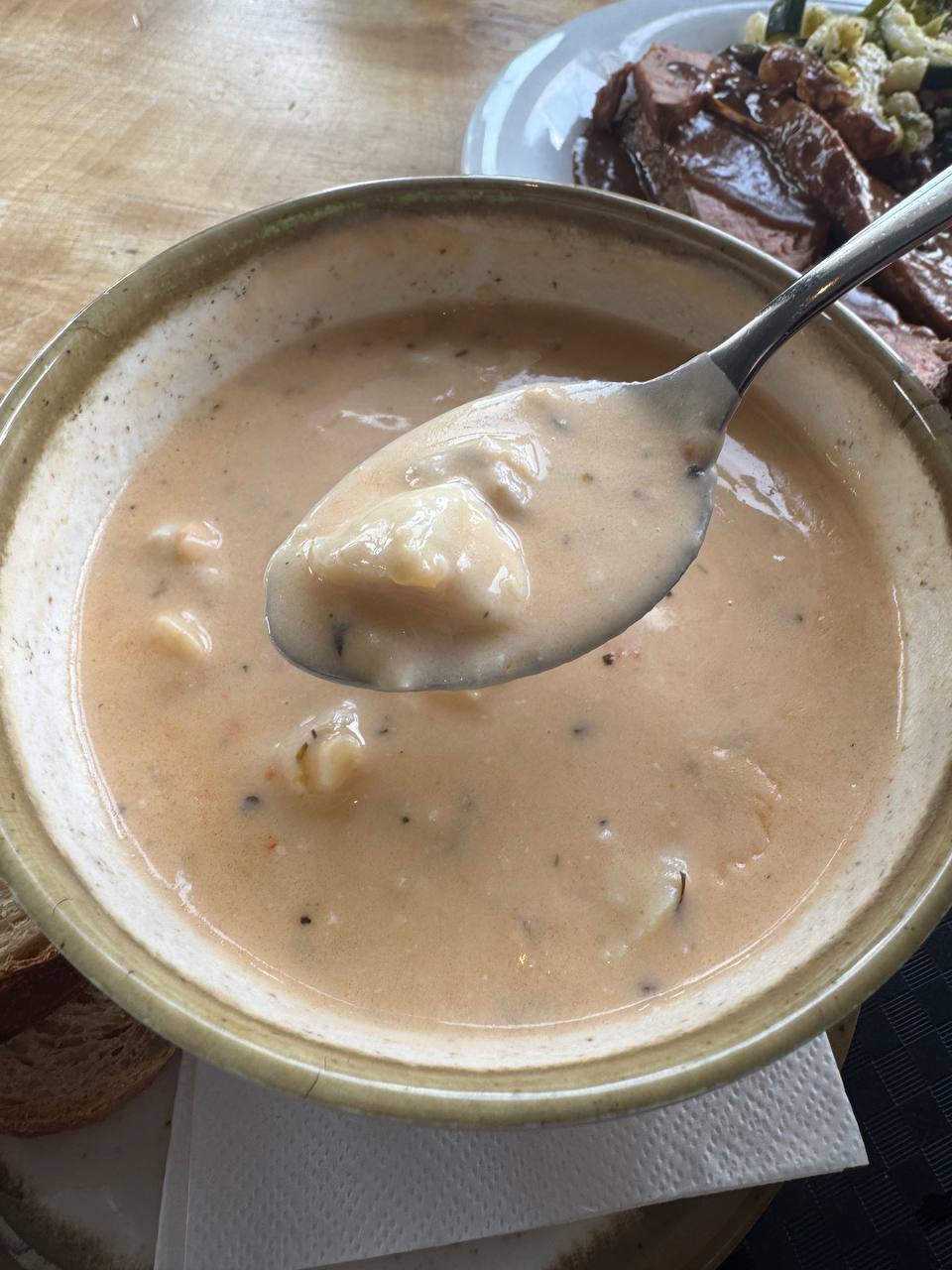
Plokkfiskur is the other essential. It’s a fish and potato stew, traditionally made from leftovers, served with dense dark rye bread on the side. The rye bread (rúgbrauð) is worth a moment of your attention on its own: it’s baked underground in geothermal heat for around 24 hours, which gives it a faint sweetness and a density that makes it feel ancient. It is ancient. People have been baking it this way for centuries.
Harðfiskur is dried fish, usually cod or haddock, air-dried until it’s almost jerky. High protein, strong smell, eaten with salted butter. Icelanders snack on it the way other people eat crisps. Some visitors love it immediately. Others need a moment.
The pylsur deserves its reputation, but not for the reasons most people think. It’s not world-class because Bill Clinton tried it. It’s good because the lamb-pork-beef blend gives it a cleaner, slightly sweeter flavour than a standard hot dog, and the combination of raw onions, crispy fried onions, ketchup, sweet mustard, and remoulade does something unexpected with all of it. Get one with “the works.” It’s about 880 ISK and it’s an honest meal.
Skyr closes this list. Not yogurt, not exactly – it’s technically a soft cheese, but the category debate misses the point. It’s thick, slightly tangy, high in protein, low in fat, and has been eaten in Iceland since the Viking Age. In a restaurant, you’ll see it with fresh blueberries or rhubarb. In a grocery store, it costs about 500-700 ISK for a decent pot. Either way, it’s one of the best things you’ll eat here.
Want to eat like a local rather than just following the same food trail as every other tourist? Here’s our traditional Icelandic food guide so you order with confidence.
Where Do Locals Actually Eat in Reykjavik (And Why Tourists Miss It)?
 Locals eat at bakeries for breakfast, food halls for lunch, and neighbourhood restaurants that never appear on the first page of TripAdvisor. They avoid the most-photographed spots on Laugavegur during peak hours and know that the best lobster soup in the city isn’t at a famous tourist stop but at a small harbour café that doesn’t market itself heavily.
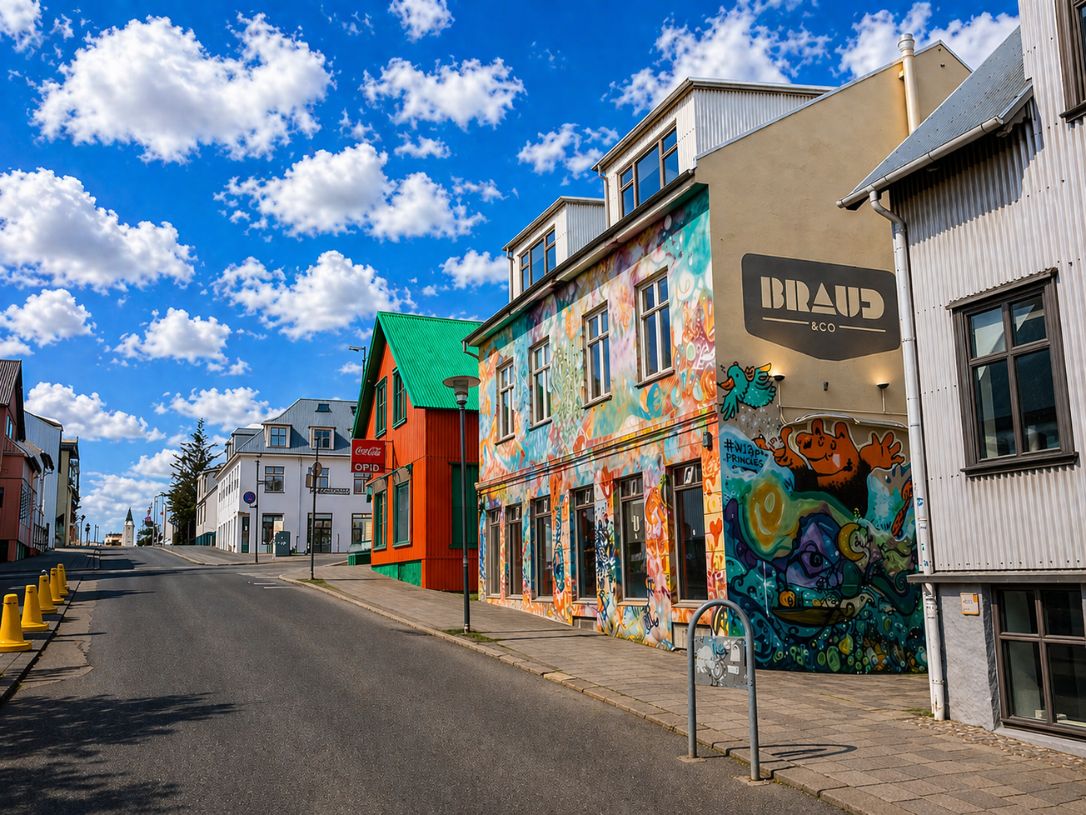
Bakeries come first. Brauð and Co is the one people talk about, and it earns the attention: organic pastries, Icelandic-style pastry twists, cinnamon rolls baked with good butter. It sells out most days, which tells you everything. Sandholt on Laugavegur has been making bread for over a hundred years and serves sandwiches and soups at reasonable prices for what is an expensive city. These aren’t tourist traps. They’re where people who live here actually eat breakfast.
For lunch, the food halls offer something different from sit-down restaurants. Grandi Mathöll out by the old harbour has a mix of vendors at prices that are lower than most downtown restaurants. Hlemmur Mathöll is the other option, a renovated bus terminal that works well for a quick, varied meal. Neither replaces a good restaurant dinner, but both let you eat across multiple Icelandic ingredients without committing to a long meal.
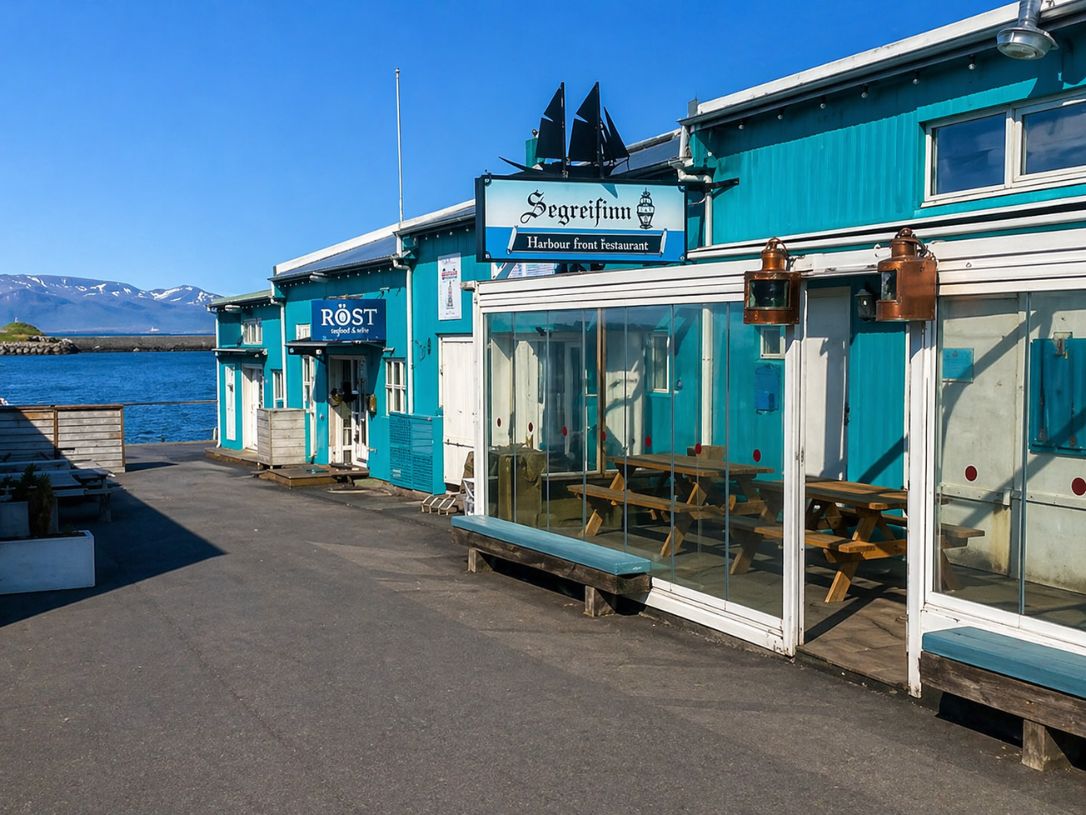
Sægreifinn, the Sea Baron, sits at the old harbour and has one dish that matters: langoustine soup. It’s simple, rich, and served in a no-ceremony kind of place. People who know it queue for the soup. People who don’t walk past looking for something that looks more like a restaurant. That gap is where a lot of the best eating in Reykjavik hides.
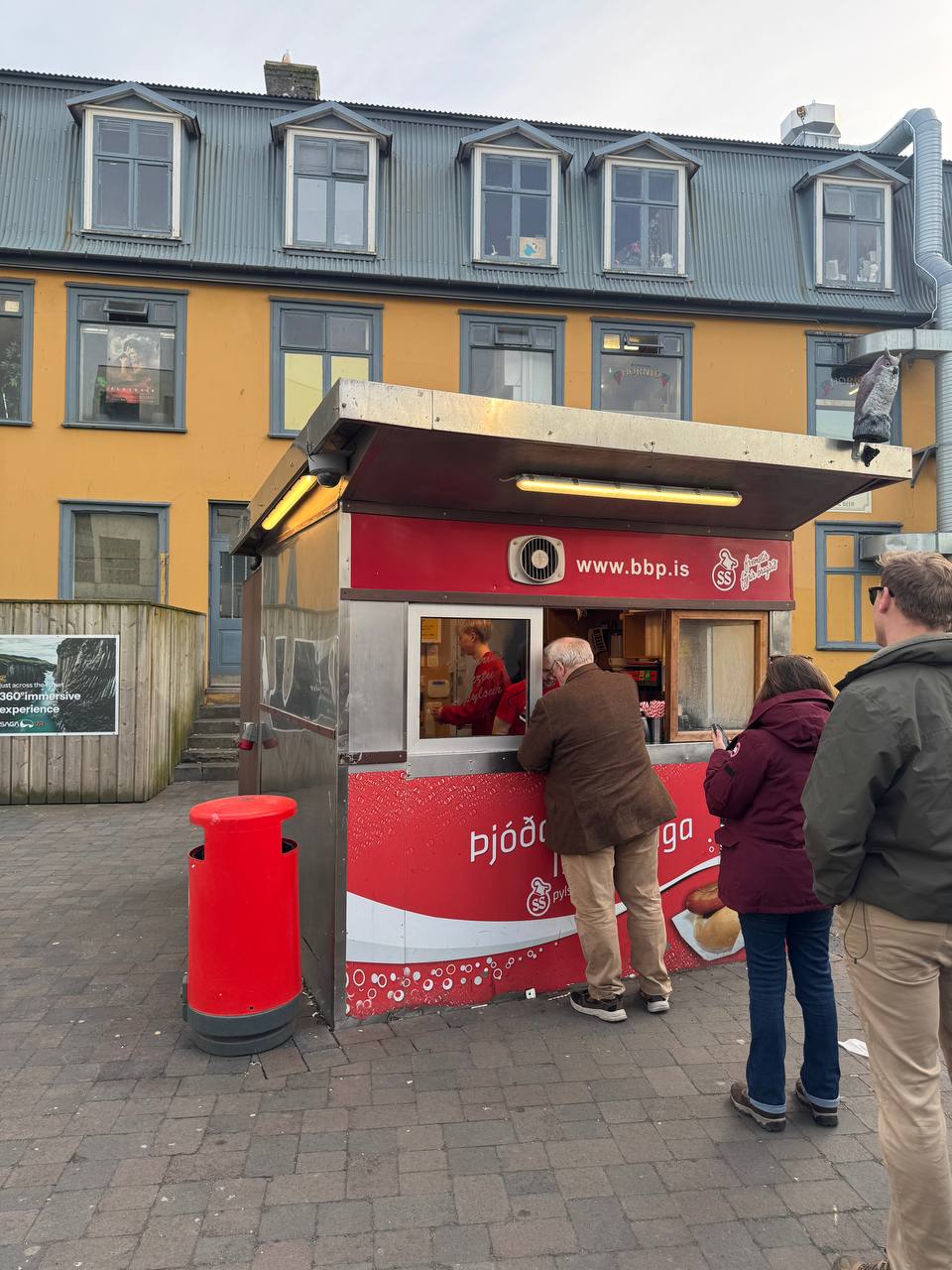
One honest note on the famous hot dog stand: Bæjarins Beztu is worth trying once, but don’t wait 20 minutes in a tourist queue for it. Hot dogs from most gas stations in Iceland use the same lamb blend and taste nearly identical. The stand’s fame is legitimate history. The food isn’t special enough to lose half your lunch hour over.
If you'd rather skip the guesswork and eat with someone who's done this 8,700 times, a guided food tour handles the route planning and dietary accommodations.
Wondering how to balance guided food experiences with independent meals without doubling up or missing key dishes? This Reykjavik food tours itinerary guide covers the planning details most visitors only wish they’d sorted earlier.
What Is the Reykjavik Food Scene Like Today?
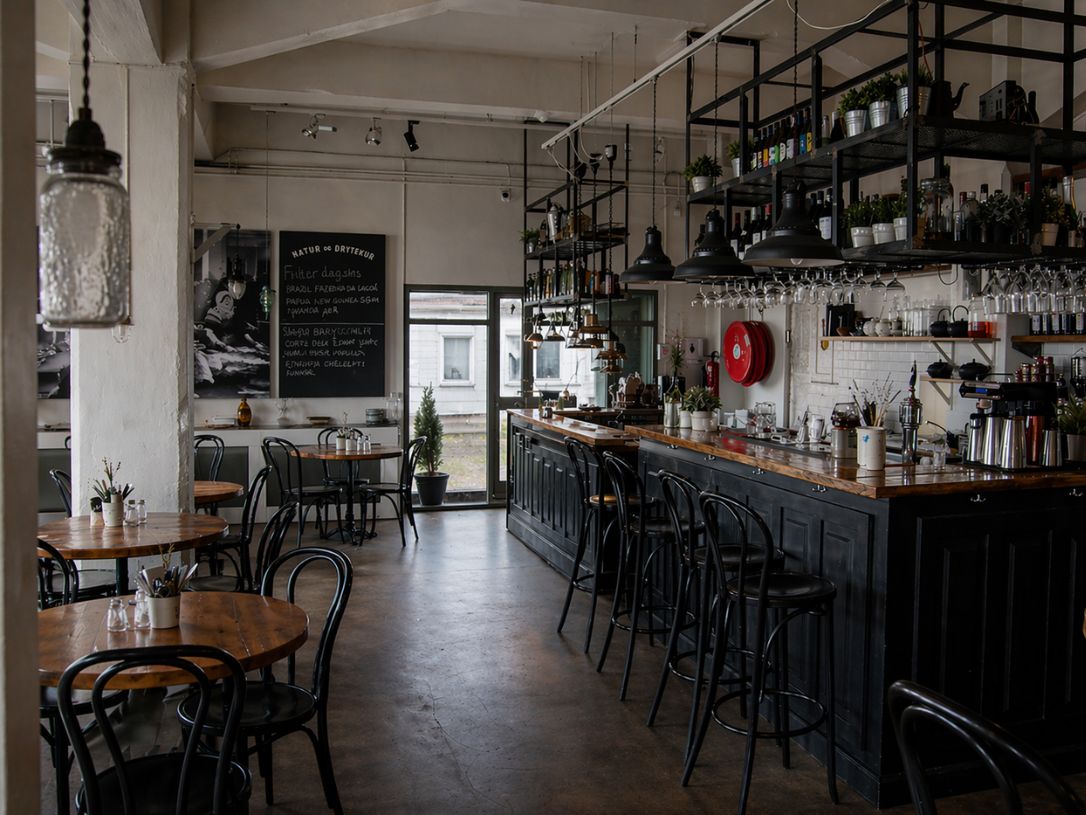 Reykjavik’s food scene in 2025 runs on two tracks at once: deep traditional cooking that barely changed in a century, and a New Nordic movement that turned fermentation, foraging, and local sourcing into fine dining. Between those extremes is a city with genuine range, including strong vegetarian options, international food halls, and a growing café culture.
The traditional end is still very much alive. You can walk into Café Loki near Hallgrímskirkja and eat a plate of plokkfiskur, a piece of rúgbrauð with smoked lamb, and a bowl of skyr without any of it feeling staged for visitors. Matur og Drykkur, housed in an old fish factory, bases its entire menu on Icelandic recipes dating to the 1800s. These aren’t museum pieces. Locals eat there regularly.
At the other end, Iceland now has three Michelin-starred restaurants. Dill was the first, opened in 2009, and it remains the flagship: chef Gunnar Karl Gíslason builds seasonal tasting menus around foraged herbs, smoked fish, highland lamb, and fermented ingredients, all sourced locally and all reflecting what the land actually produces at that time of year. The staff forage together. The dried plants hanging from the ceiling came from the same foraging trips as what’s on the plate. It’s 30 seats, books out well in advance, and costs around 13,900 ISK per person before wine. Worth planning around.
Óx is even smaller, with just 11 seats, and runs a surprise menu with no published dishes. Moss sits at the Blue Lagoon, about 45 minutes from the city centre, and earned its star in 2023. All three restaurants held their stars without additions or losses in 2025, which in the Michelin world is its own kind of statement.
New restaurants have kept arriving. Torfan opened in summer 2025 in a historic building in central Reykjavik, focusing on seasonal Nordic cuisine with locally sourced ingredients. The city is adding, not standing still.
First time booking a food tour in Reykjavik and not sure what to look for in a good one? Here’s our best Reykjavik food tours guide so you get the experience right.
Which Reykjavik Dishes Are Worth the Splurge?
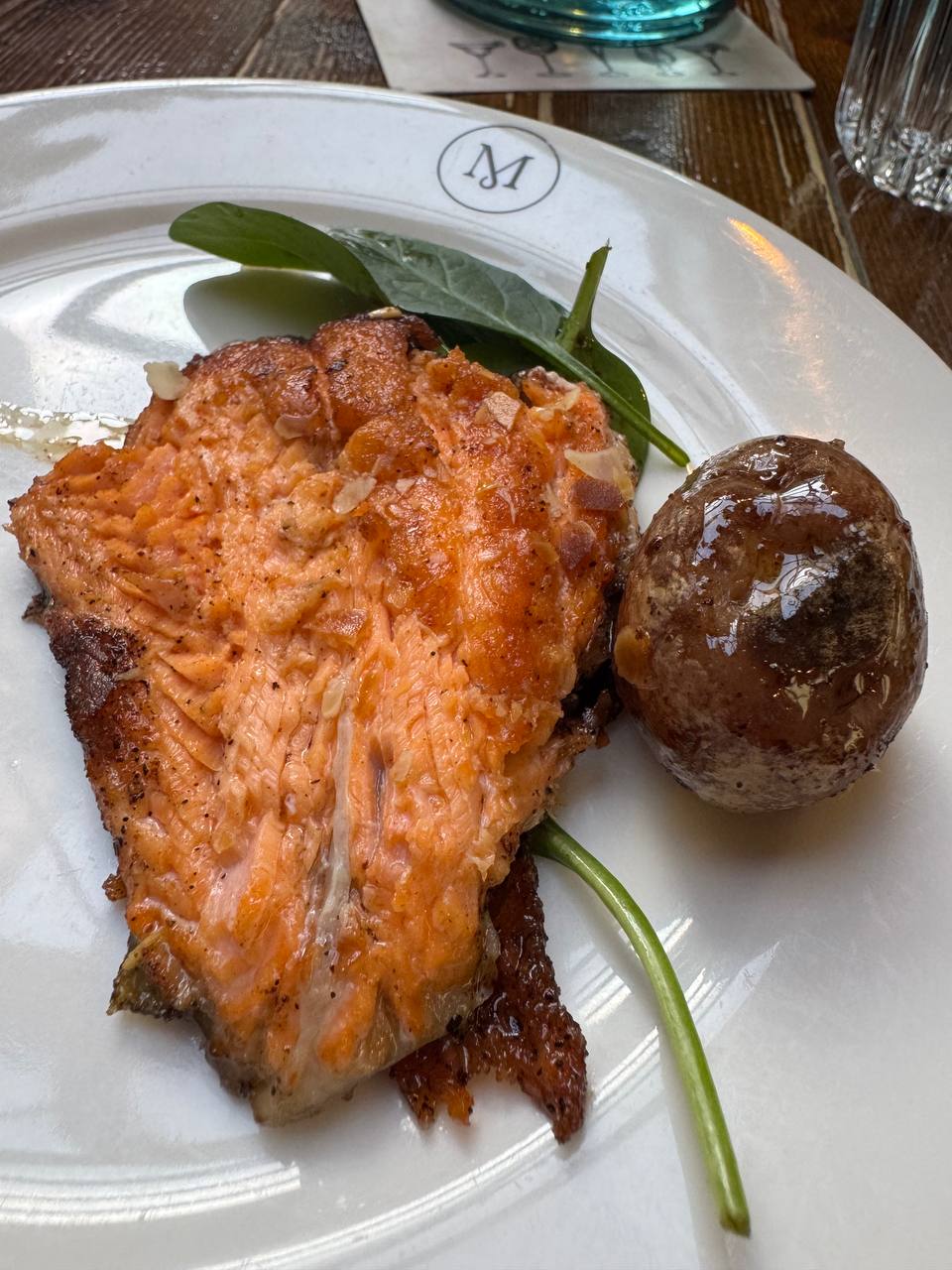 Langoustine is the obvious answer. A tasting menu at Dill is the other. Beyond those two, an order of Arctic char prepared well is one of the most underrated meals in the city, and a proper skyr cake from a good café costs almost nothing but tastes like it should cost more.
Langoustine deserves a longer explanation because there’s a naming problem that trips people up. When Icelandic menus say “lobster soup” or “humar,” they mean langoustine, the smaller sweet-tailed crustacean fished in Icelandic waters. It’s not the big-clawed lobster. The tails are sweeter, more delicate, and genuinely extraordinary when the kitchen handles them correctly. In the city, Sægreifinn’s soup is the entry point. For something more formal, Kopar at the old harbour prepares it several ways.
A note of caution from years of running tours: langoustine quality varies significantly by source. Some restaurants and even a few well-known spots outside the city have been known to serve imported frozen tails. Ask. Fresh Icelandic langoustine cooked simply with butter needs nothing else. Imported product that’s been frozen and thawed will tell you in the first bite.
Arctic char is Iceland’s other underappreciated splurge. It’s a freshwater fish from the glacial rivers and lakes across the country, and it doesn’t travel well, which means the versions you get in Reykjavik are of a quality you simply can’t replicate elsewhere. Pan-fried with butter, slow-cooked, served with rhubarb or wild herbs, it keeps appearing on menus at every tier because the ingredient earns its place.
At the high end, Dill’s tasting menu changes completely with the season. Summer brings wild herbs, lighter preparations, lamb that spent months on highland grass. Winter leans into fermentation, smoking, roots, preserved things. Both are excellent in different ways. If you’re going once, the winter menu has a depth that feels more distinctively Icelandic. Book directly and tell them about dietary restrictions at booking, not at the door.
Questions before you book? Sigurd and the team answer them daily. See the current food tours.
Want to eat properly in Iceland’s capital without the sticker shock? Here’s our is food expensive in Reykjavik tours guide so you plan your food budget realistically.
What Should You Know About Icelandic Seafood Before You Visit?
 Iceland produces some of the freshest cold-water seafood in the world. The key species are Arctic char, cod, haddock, and langoustine. What the fish tastes like here is different from anywhere else because the water is cleaner, colder, and the fish reach the kitchen faster. The biggest mistake is ordering seafood at a tourist-facing restaurant without checking whether it’s actually fresh and Icelandic.
The North Atlantic waters around Iceland are cold and nutrient-rich, and that environment produces fish with a cleanness of flavour that’s hard to describe until you’ve tasted it. Cod and haddock are everyday proteins here, not luxury items. They show up in plokkfiskur, in fish and chips, in the fish pan called fiskipanna, in the classic dried harðfiskur. They’re on almost every menu because they should be.
Plokkfiskur, the creamy fish stew, was originally a way to use yesterday’s leftover fish. The version most restaurants serve now is deliberately good, but the traditional logic still applies: it’s economical food made excellent. The potatoes go in, the fish breaks up, the béchamel binds it, and the rye bread on the side soaks up what’s left in the bowl. It’s one of the most satisfying things you’ll eat here.
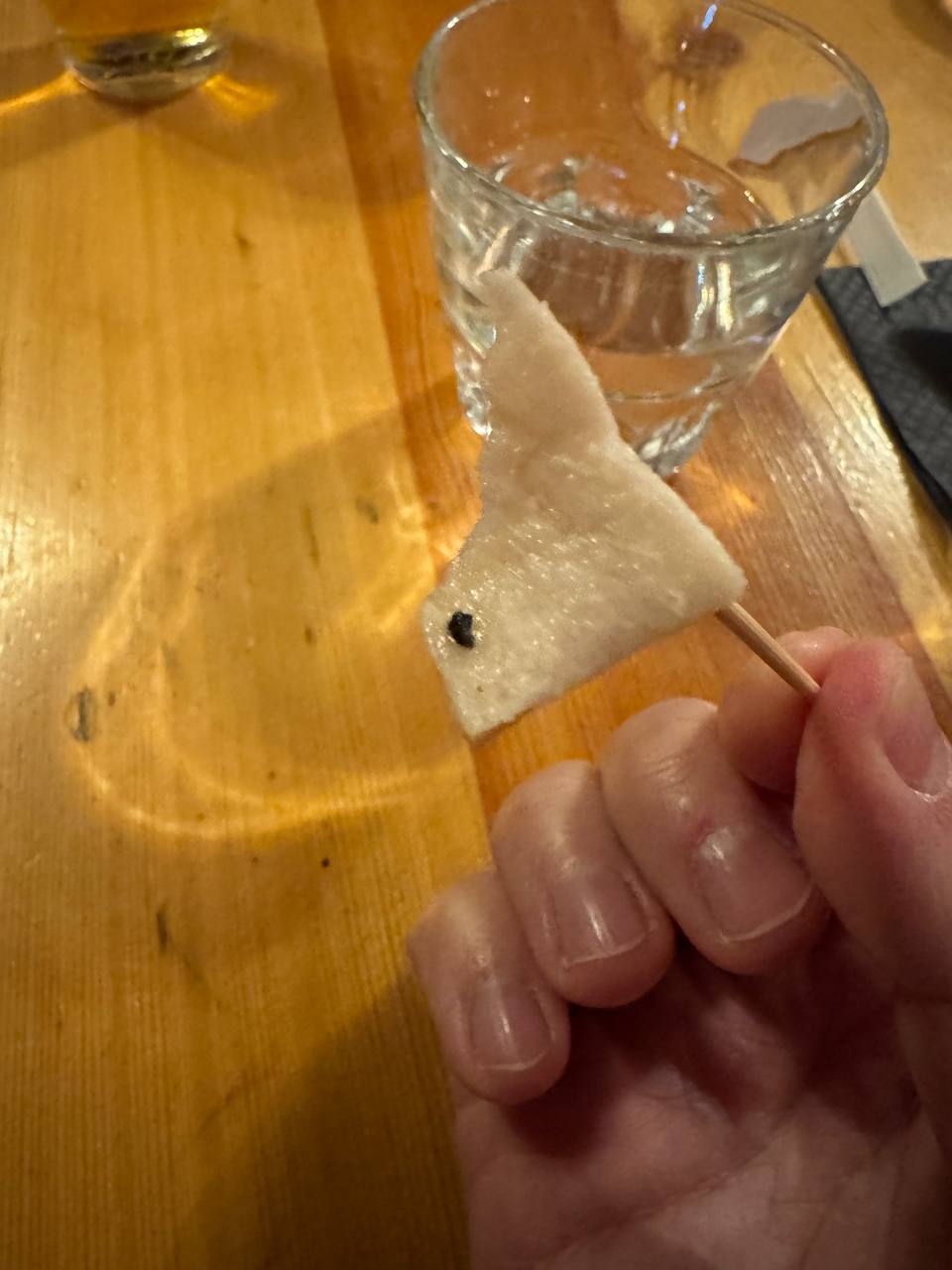
On the less conventional end: hákarl (fermented Greenland shark) is Iceland’s most famous food challenge. It ferments underground for months, develops a powerful ammonia smell, and tastes more extreme than most visitors expect. It’s traditionally chased with Brennivín, a caraway schnapps called “Black Death” for reasons that become clear. You should try it once, in a controlled setting, with the context of what it meant historically. It kept people alive through brutal winters. Respect it accordingly.
One practical point on sourcing: the best fresh seafood in the city tends to cluster around the old harbour area. Restaurants that mention their fish comes from local fishermen or that the menu changes based on the daily catch are generally more reliable than restaurants with large fixed menus featuring every species year-round.
Want to go beyond the safe menu options and try the foods that actually define Iceland’s culinary history? Here’s our weird Icelandic foods and where to try them guide so you know what you’re getting into.
What Foods Do First-Time Visitors Always Regret Skipping?
 Three things come up repeatedly in the feedback we hear from travelers after their trips: they skipped rúgbrauð and wish they hadn’t, they didn’t try a proper hangikjöt preparation, and they never had Icelandic ice cream because the idea of eating ice cream in the cold felt wrong. All three are worth fixing before you leave.
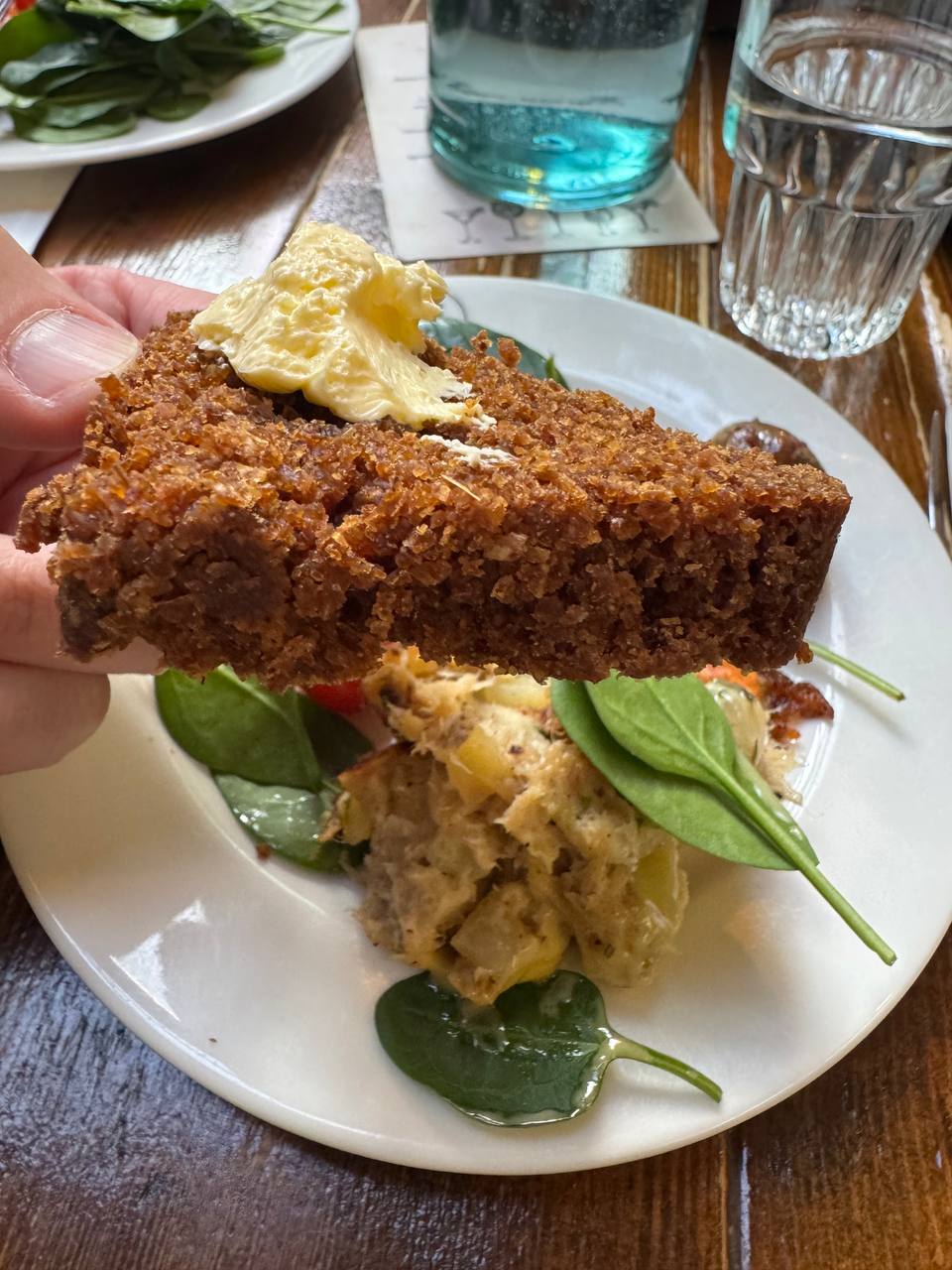
Rúgbrauð is the most skipped and most regretted. It’s the dense, dark rye bread baked in geothermal earth for 24 hours, and nothing baked in an oven tastes like it. The slow cooking in ground heated by volcanic activity gives it a caramelised sweetness and a texture that sits somewhere between bread and pudding. It shows up on the side of other dishes so often that people eat it without registering what it is. When they finally taste a piece on its own with butter and smoked lamb, the reaction is always the same. Slow down with the bread.
Hangikjöt is smoked lamb, hung and cured over birchwood or dried sheep dung (which sounds alarming and tastes extraordinary). It’s traditionally a Christmas dish but appears in various forms year-round, often served thinly sliced on flatbread. The smoke is present but not aggressive. The lamb underneath it is already so good that the smoking just adds one more layer rather than masking anything.
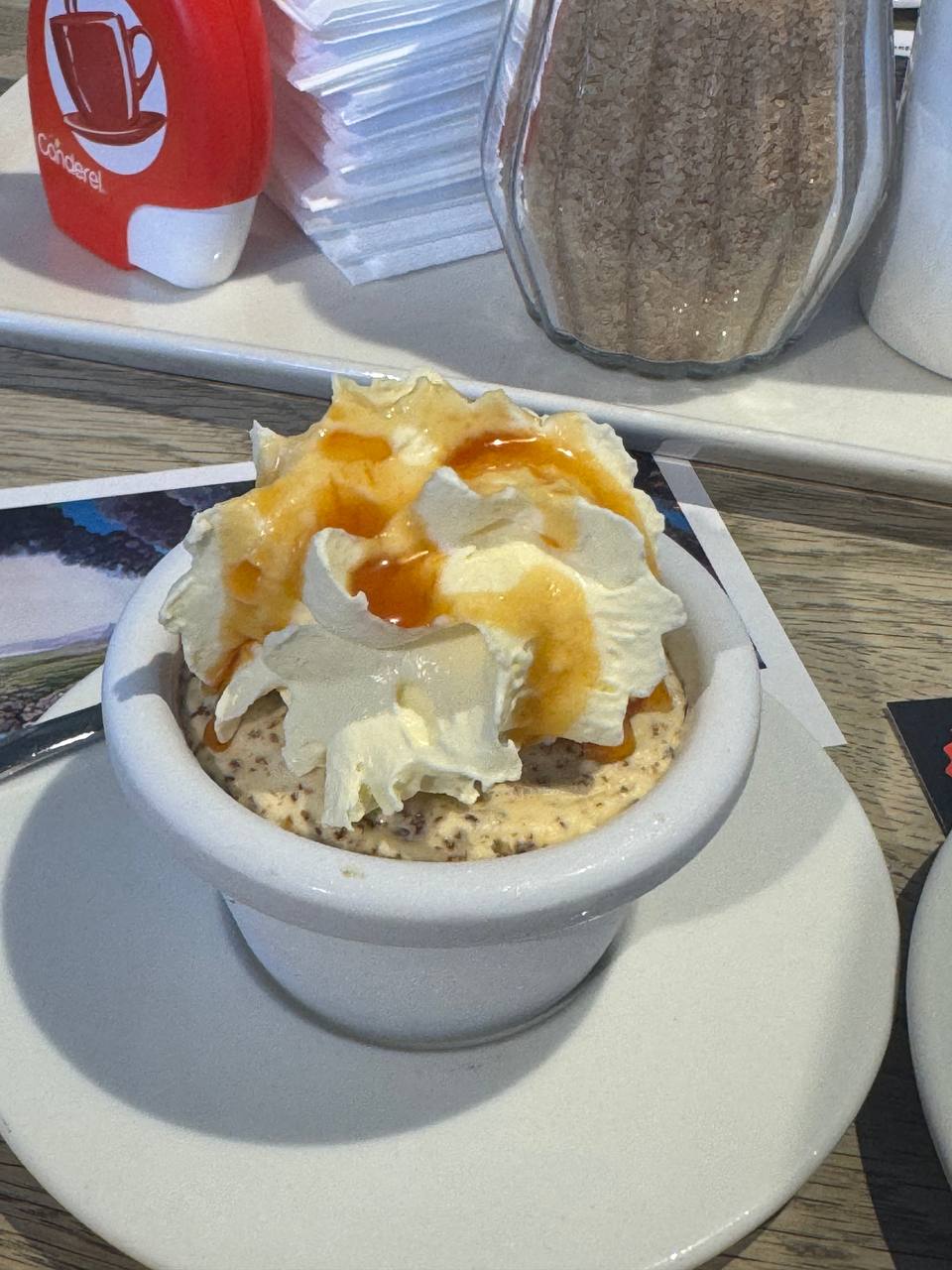
Icelandic ice cream is its own phenomenon. Locals eat it year-round, in February, during storms, at 11pm. The dairy quality here, from grass-fed cows producing milk with a higher fat content, gives the ice cream a richness that commercial brands don’t approach. Licorice flavour if you want to eat like a local. Rhubarb if you want something that tastes like the Icelandic landscape in a spoon.
Kleinur is the last common skip. These are Icelandic fried doughnuts, twisted rather than round, with a hint of cardamom and a crispness on the outside that the interior softness plays off perfectly. Every bakery has them. They cost almost nothing. People walk past them because they don’t know what they are. Now you do.
We've been showing travelers the real Reykjavik food scene since 2014. The Wake Up Reykjavik Food Tour has been running that route since then.
First time navigating Reykjavik’s casual food scene and not sure what counts as genuine street food versus a tourist trap with a paper cone? Here’s our Icelandic street food to try in Reykjavik guide so you eat the real stuff.
How Do You Eat Well in Reykjavik Without Overspending?
 The short answer: eat like Icelanders eat, not like tourists are expected to eat. That means bakeries in the morning, food hall or soup-and-bread lunch specials during the day, and one or two proper restaurant dinners spread across the trip. It also means using Bónus supermarket strategically and avoiding the 10-11 convenience store downtown, which is expensive relative to everything around it.
| Breakfast | Bakery pastry + coffee (Brauð and Co, Sandholt) | 900-1,500 |
| Budget lunch | Soup + rye bread lunch special at a café | 1,800-2,500 |
| Street food | Pylsur with everything (Bæjarins Beztu or any gas station) | 800-900 |
| Food hall | Grandi Mathöll or Hlemmur Mathöll | 1,500-2,800 |
| Mid-range dinner | Main course at a neighbourhood restaurant | 3,500-5,500 |
| Supermarket skyr | Bónus (cheapest chain in Reykjavik) | 500-700 |
| Fine dining | Tasting menu at Dill or Óx | 13,000-20,000+ |
Prices verified April 2025. Exchange rates vary; ISK amounts reflect restaurant posted prices.
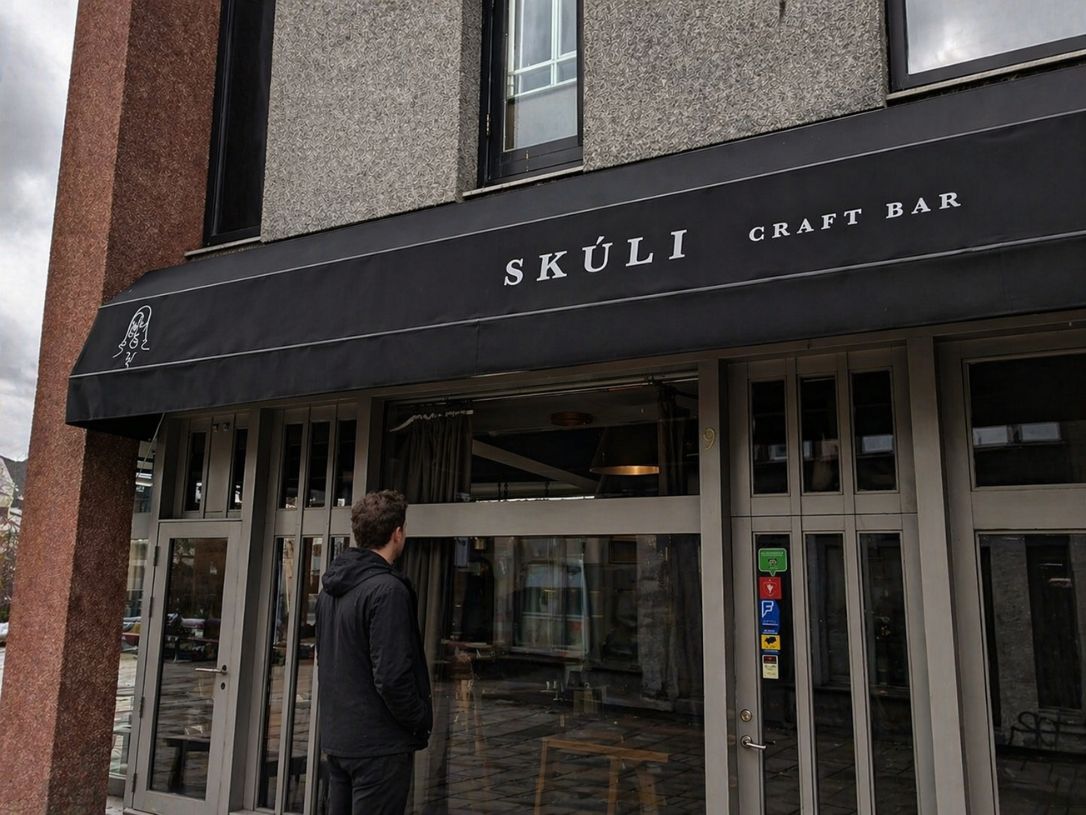
Alcohol is the category that surprises people most. A beer at a downtown bar costs 1,500-2,000 ISK. Happy hour deals exist, and a few places like Skúli Craft Bar offer local beers at more reasonable prices during certain windows. Reykjavik Roasters is the go-to for coffee without drama, and Mokka has been serving espresso since 1958 and has earned its reputation for it.
The practical rule: spend on what Iceland does exceptionally well (lamb, seafood, dairy, geothermal-baked bread), eat simply for the other meals, and you’ll come home remembering the food rather than the bill.
Eating cheaply in Reykjavik takes more local knowledge than most visitors arrive with – our Reykjavik food tours cheap eats guide breaks down where the value actually is and what’s worth the walk.
What’s the Best Time of Day to Eat Your Way Through Reykjavik?
 Morning is for bakeries and skyr. Midday is the window for soup-and-bread lunch specials that give you full restaurant quality at roughly half the dinner price. Early evening, around 6pm, is when locals eat and when the best restaurants aren’t yet packed. Late night is for ice cream, regardless of the weather.
Most visitors structure their days around sightseeing and eat reactively, which leads to expensive tourist menus and missed lunch specials. The better approach inverts that: build the eating into the day first.
Bakeries typically open around 7am and sell out of the best items by mid-morning. If you want the good cinnamon rolls from Brauð and Co, the ones worth the walk, you need to be there early. A piece of rúgbrauð with butter and a coffee at a place like Sandholt sets the day up correctly and costs less than 1,500 ISK total.
Lunch specials are Reykjavik’s best-kept budget secret. Many restaurants that charge 4,000-6,000 ISK for a dinner main offer a soup plus bread, or a smaller version of a signature dish, for 1,800-2,500 ISK between roughly 11:30am and 2:30pm. This is when to try the better restaurants rather than saving them for dinner. The quality is identical, the atmosphere is quieter, and the bill is significantly lower.
For dinner, aim for 6pm rather than 8pm. Icelanders eat on the earlier side by European standards, and popular restaurants fill up significantly by 7:30. Booking at 6pm means you get attentive service, a full kitchen, and the option to stay as long as you want rather than feeling the pressure of a table that’s needed behind you.
Food halls run all day but peak around midday and early evening. If you want to try a few things without committing to a sit-down meal, the 5-7pm window at Grandi Mathöll is ideal. Enough vendors open, the energy is good, and you can eat across three or four Icelandic ingredients for under 3,000 ISK.
Ice cream doesn’t follow rules here. Icelanders eat it in every season, at every hour, including late on weekday nights. If you pass Valdís in the Grandi neighbourhood and it’s open, go in. The licorice flavour is the one people who live here order most.
How To Judge The Experience For Yourself
Choose on the actual itinerary, duration and included tastings. A guided outing adds local explanation and an organized route; your own priorities and current quotes determine whether it is worth the cost.
Frequently Asked Questions
Is Icelandic food spicy?
No. Traditional Icelandic cooking is built around the quality of the ingredient rather than seasoning. Lamb is mild and sweet. Fish is clean and direct. The few bold flavours, like the ammonia hit of hákarl or the caraway punch of Brennivín, come from preservation traditions rather than spices. If you’re sensitive to heat, Reykjavik is an extremely comfortable place to eat.
Can vegetarians eat well in Reykjavik?
Reykjavik has vegetarian and vegan dining options, although many traditional dishes contain meat, fish or dairy. Skyr is a dairy product and is not vegan. Check bread ingredients and ask the restaurant to confirm a suitable menu before booking; accommodation is not automatic.
What is the most expensive thing about eating in Reykjavik?
Alcohol, without question. A beer at a bar runs 1,500-2,000 ISK. Wine by the glass at a restaurant can exceed 2,500 ISK. The food itself, especially if you use lunch specials and bakeries for lighter meals, is manageable. Drinks will double your bill faster than anything else if you’re not tracking them.
Is hákarl (fermented shark) really as bad as people say?
It’s polarising rather than universally terrible. The smell is powerful and ammonia-forward. The flavour is strong and unlike almost anything else you’ve tasted. Most people who try it do so once, appreciate the cultural weight of it, and move on. Take the Brennivín shot alongside it. The caraway spirit cuts the fermented flavour and that’s how Icelanders actually eat it.
What’s the best neighbourhood to eat in Reykjavik?
The old harbour area (Grandi) has the best combination of casual spots, food hall options, and access to fresh seafood. Laugavegur, the main street, has the density if you want to browse. For fine dining, the central downtown neighbourhoods near Dill and Apotek are the targets. For local bakeries and coffee, anywhere that’s not the main tourist corridor will serve you better.
Do restaurants in Reykjavik take reservations?
The better ones require them, especially for dinner. Dill books out weeks in advance. Óx is even harder to get into at 11 seats. For mid-range restaurants during peak summer season, booking a day or two ahead avoids disappointment. For casual spots, food halls, and the hot dog stand, walk-in is always fine.
Icelandic tour guide since 2014 · Founder, Reykjavik Food Tours
Sigurd has guided over 8,700 travelers through Reykjavik’s food scene since founding the agency.
Make Room For One Food Experience
Reykjavik Food And City Walk
Local food, city history, hot dogs, fish and Icelandic ice cream. Have a travel date in mind? Check the departure before arranging the rest of your food day.
Meet at Harpa main entrance; downtown endpoint varies by departure. Confirm dietary requirements and the final stop with the operator.
Choose a date to check the published Viator schedule. Final availability and price are confirmed on Viator.
Check Dates On ViatorWhich Foods Would You Like To Explore?
Choose an experience and we will check duration and requirements against the verified product details. Allow travel time separately.
Compare Your Own Costs
Enter totals for the same group in one currency. Use your actual DIY meals, not full restaurant portions priced against small tastings.
Add both amounts to compare. Transfers and extra meals are separate.