Best Reykjavik Food Tours
Is a Reykjavik food tour worth it? Discover what’s included, real prices, how much you’ll eat, and why the guide matters more than the route.
A Reykjavik food tour covers 2-3 km on foot, stops at 5-7 venues, and takes about three hours. You’ll eat the equivalent of a full meal across those stops, all included in the price. Small-group walking tours run roughly 12,000-16,000 ISK per person. Private tours cost significantly more but suit families, groups with dietary needs, or anyone who prefers not to share a table with strangers. Book at least a week ahead in summer, a few days in shoulder season. The guide is the most important variable, more than the route or the stops.
Use the guide to plan independent food stops, or add a guided experience. Local food, city history, hot dogs, fish and Icelandic ice cream. Explore The Guided Option
Affiliate links may earn us a commission at no extra cost to you. Restaurant prices in the original guide are dated estimates; confirm current menus.Quick Facts: Reykjavik Food Tours
| Typical duration | 2.5-3.5 hours |
| Walking distance | ~2 km (1.2 miles). Easy, flat, slow-paced. |
| Standard group size | 10-14 guests maximum |
| Small-group price | 12,000-16,000 ISK (~$85-$115 USD) per person. Prices verified April 2025. |
| Private tour price | 300-600 EUR+ total (100-200 EUR per person depending on group size). Prices verified April 2025. |
| Tastings included | 8-13 samples across 5-7 stops. All food included, some drinks extra. |
| Meeting point | Harpa Concert Hall, central Reykjavik. Walking distance from most downtown hotels. |
| Best time to book | 1-4 weeks ahead in summer (May-September). A few days ahead in shoulder/off-season. |
| Cancellation policy | Most operators offer full refunds with 24+ hours notice. |
| Dietary restrictions | Vegetarian, pescatarian, gluten-free, lactose-free all accommodatable with advance notice. Vegan is harder due to the meat-and-dairy-heavy cuisine. |
What Makes a Reykjavik Food Tour Worth Booking?
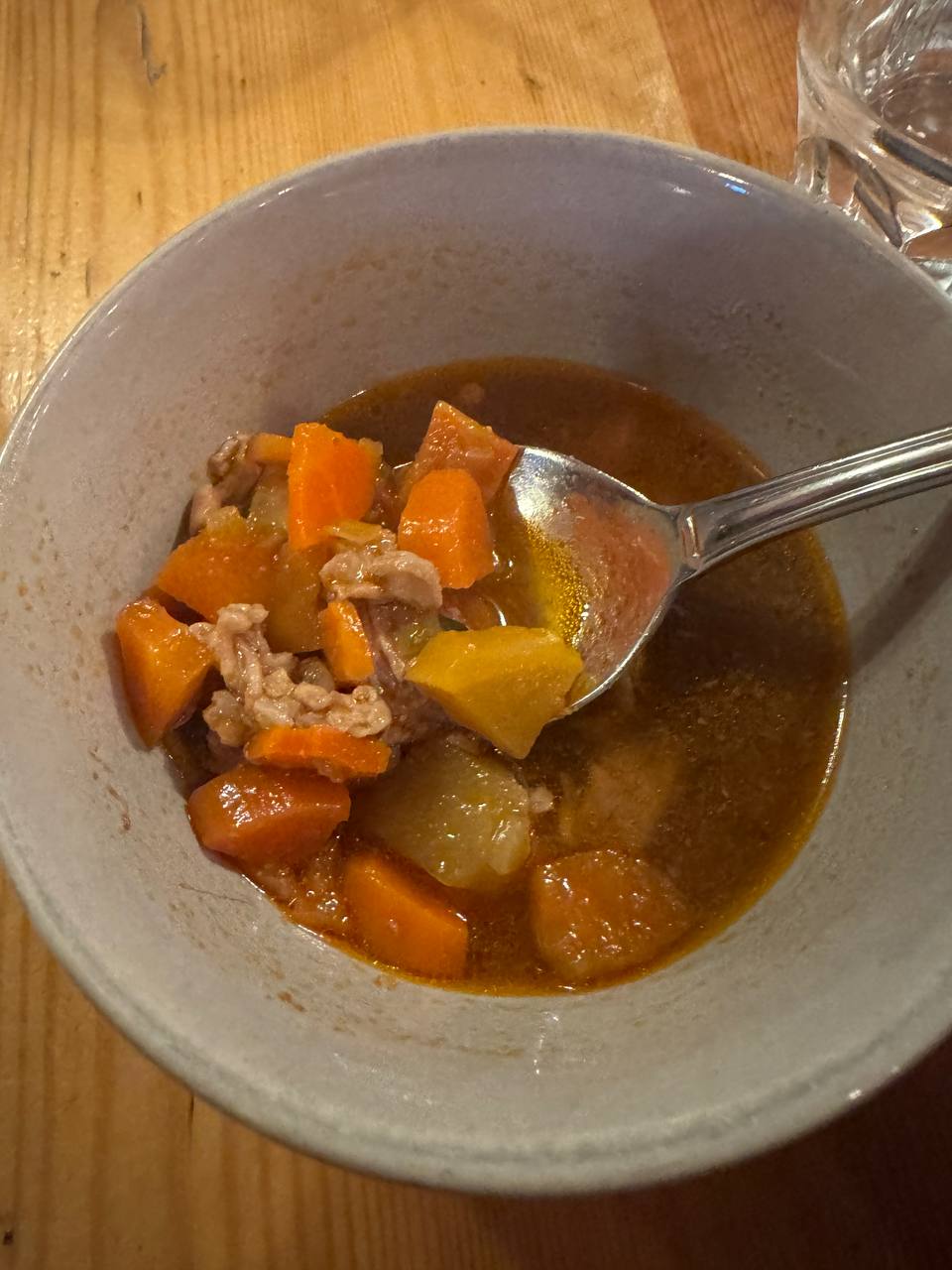 A food tour in Reykjavik does three things no amount of independent restaurant browsing can replicate: it gets you inside places locals actually eat, it explains why the food tastes like this and not like anything else, and it replaces a meal while costing less than three separate restaurant stops would. In a city this expensive, that math matters.
Most visitors to Reykjavik eat well at the obvious places, pay significant money for the experience, and leave not entirely sure what they actually tasted or why. The lamb was good. The soup was warming. The hot dog lived up to something. But the context, the history behind the preservation techniques, the reason Icelandic lamb tastes so different from anything they’d had before, none of that came with the meal.
A guide who has lived here and eaten this food their whole life changes all of that. Not because guides are better than menus, but because the stories and the food land together differently. You eat kjötsúpa and you understand, at the same time, that this soup is what people ate coming in from months of winter farming. The rúgbrauð on the side was baked in geothermal earth before the guide was born. The dried fish you’re holding has been part of this food culture for over a thousand years. That context makes the food taste different. Better, actually.
There’s also the value argument, and in Iceland it’s a compelling one. A single sit-down restaurant dinner runs 3,500-6,000 ISK per main course before drinks. A food tour at roughly 12,000-16,000 ISK per person covers 8-13 separate tastings across 5-7 venues, all food included, in three hours. One traveler we hosted put it plainly: seven dishes plus drinks would have cost him at least $200 if he’d ordered them individually. He paid around $120 for the tour. The difference funded another night in the city.
The other thing nobody tells you is how useful a tour is as a first-day orientation. You learn the streets, you learn the harbour, you learn which neighbourhoods have what. By the time you finish, you have a mental map of the city built around where to eat, drink, and come back to. That’s worth something beyond the food itself.
If you’d rather skip the research and eat with someone who’s done this 8,700 times, a private food walking tour can handle the route and any dietary accommodations.
Icelandic cuisine has more depth than most visitors ever discover – our traditional Icelandic food guide breaks down the dishes, ingredients, and food traditions that actually define the culture.
What Types of Food Tours Are Available in Reykjavik?
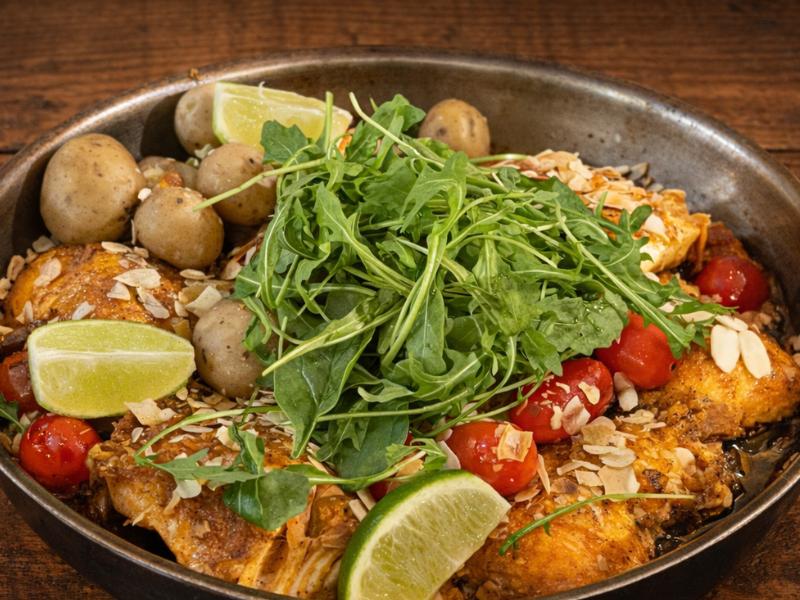
The standard offering is a small-group walking tour covering downtown Reykjavik in about three hours, with 8-13 tastings across traditional venues. Beyond that, the main variants are private tours for groups wanting a customised experience, evening or dinner-format tours for those who prefer a social atmosphere with more substantial plates, and specialty tours built around craft beer, Icelandic spirits, or combined food-and-sightseeing formats.
| Small-group walking tour | 3 hrs, 5-7 stops, 8-13 tastings, up to 14 guests | First-time visitors, solo travelers, couples | 12,000-16,000 |
| Private walking tour | Same route, fully customised, just your group | Families, groups with dietary needs, couples wanting privacy | 40,000-90,000+ total (varies by group size) |
| Evening/dinner food tour | 2.5 hrs, restaurant-quality small plates, social atmosphere | Those wanting a dinner experience rather than a tasting format | 15,000-20,000 |
| Beer and food tour | 2.5-3 hrs, local craft beer pairings with food at each stop | Beer enthusiasts, those interested in Iceland’s brewing history | 15,000-20,000 |
| Golden Circle food combo | Full day, sightseeing plus farm visits and food tastings | Travelers who want food experience outside the city | 25,000-35,000+ |
Prices verified April 2026. ISK amounts reflect standard market rates across Reykjavik operators.
The walking tour is the right starting point for almost everyone. It’s also worth knowing that Iceland legalised beer only in 1989, after 74 years of prohibition that banned full-strength beer specifically while allowing wine and spirits. The craft beer scene that’s emerged since is genuinely interesting and the beer-focused tours give it the context it deserves. For anyone who’s already done the standard walking tour on a previous visit, a beer-and-food tour is the natural follow-up.
The Golden Circle food combos are popular but uneven. Quality varies significantly depending on which farms and stops the operator uses. Some deliver genuine farm-to-table moments. Others shuttle tourists through large catering-style venues that don’t represent how Icelanders actually eat. The advice we give: if you’re booking a combined tour, ask specifically what the food stops are and whether the venues are locally run. The Fridheimar tomato greenhouse is genuinely excellent and worth experiencing. Generic “Icelandic buffet” stops at motorcoach-sized catering halls are not.
What Will You Actually Eat on a Reykjavik Food Tour?
A guided food walk includes tastings and local explanation. Compare its current quote with the meals you would actually buy independently; tasting portions are not equivalent to full restaurant orders, and neither savings nor skipping a later meal is guaranteed.
The pylsur stop comes early on most tours because it grounds everything that follows. You’re standing at a street-level stand that’s been serving the same lamb-pork-beef blend since 1937. The guide explains the toppings, which matter more than people expect. Crispy fried onions, sweet mustard, raw onions, and remoulade all doing different things at once. Then you eat it and wonder why you spent your whole life eating other hot dogs.
Langoustine soup is a regular feature, usually at a harbour-adjacent spot like Sægreifinn. The soup is rich, the langoustine is sweet, and the portion is more than it looks. It often surprises people. They came expecting a tasting and got a bowl that could anchor a full meal.
Lamb appears in multiple forms depending on the operator and season. Slow-cooked on flatkaka (traditional flatbread) with carrot purée. Kjötsúpa in a bowl with root vegetables. Smoked hangikjöt sliced thin on rye. Arctic char and plokkfiskur fill out the seafood side. Most tours also stop at a bakery for rúgbrauð, kleinur (the Icelandic twisted doughnut), or some form of skyr dessert. Rye bread ice cream at Café Loki is a fixture on several routes and consistently surprises people expecting something gimmicky. It isn’t.
The hákarl moment (fermented Greenland shark) is optional on most tours, offered alongside a small pour of Brennivín. The guides tend to build it up just enough to make you nervous, then support you through it. The Brennivín cut matters. Take both together. The caraway spirit cuts the ammonia edge and that combination is genuinely how Icelanders eat it during Þorrablót.
Want to eat well in Reykjavik without defaulting to the same spots every travel blog recommends? Here’s our what to eat in Reykjavik food tours guide so you find the real stuff.
How Do You Choose the Right Food Tour for Your Group?

Group size, dietary needs, and whether you want flexibility or efficiency are the three factors that actually determine which format suits you. Solo travelers and couples do well on standard small-group tours. Families with children or groups with specific dietary requirements benefit from private tours. Anyone who wants the food experience without committing to a fixed route should book private. Anyone who wants to meet other travelers should stay in a group.
The group dynamic question is underrated. On a well-run small-group tour, sharing tastings with strangers is genuinely enjoyable. You end up talking, comparing reactions to the shark, swapping recommendations for the rest of your trip. Multiple reviews from solo travelers mention making connections that lasted the rest of the Iceland trip. The guide facilitates this rather than just narrating food. When it works, it’s one of the better social experiences you’ll have in the city.
When it doesn’t work, usually because the group is too large or the guide too passive, the dynamic disappears and you’re just walking with people. This is why group size caps matter. Tours capped at 12-14 people can usually maintain the social feeling. Tours that allow 20 or more tend to feel like organised queuing. Ask the group size limit before you book. It’s a better predictor of experience than price.
For families: children do well on these tours in our experience, especially kids 8 and up. The walking is easy, the food is varied enough to hold their attention, and guides adjust their storytelling for mixed groups. Dietary accommodations for kids (no fermented shark, lighter flavours) are easily handled when flagged at booking.
For dietary restrictions: vegetarians and pescatarians are accommodated at almost every serious operator. Gluten-free and lactose-free are manageable with advance notice. Vegan is harder because traditional Icelandic cuisine is built on dairy, fish, and lamb. Some operators have developed specific vegan alternatives. If that matters to your group, ask for the specifics before booking rather than assuming the operator’s general statement covers your situation.
How Much Does a Reykjavik Food Tour Cost?
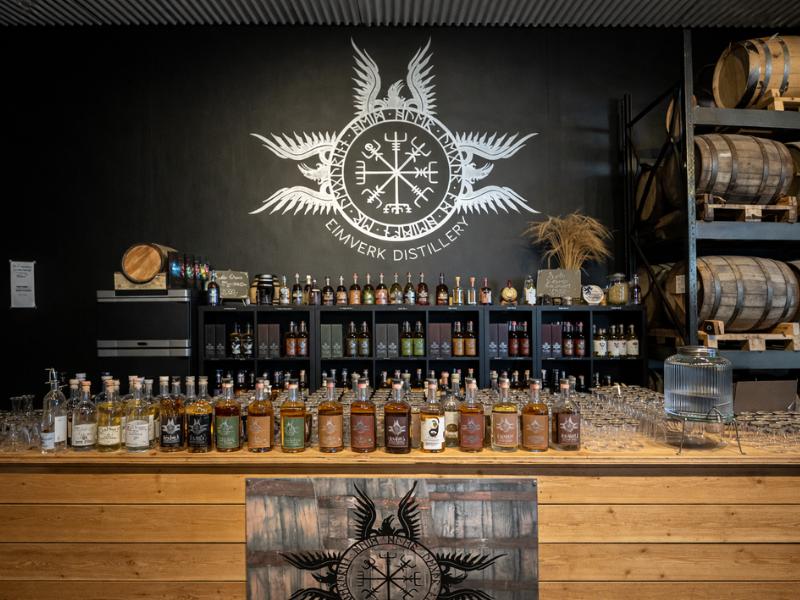
A standard small-group walking food tour in Reykjavik runs 12,000-16,000 ISK per person (roughly $85-$115 USD at April 2025 rates), with all tastings included. Private tours typically start at 300-600 EUR total for a group. Specialty formats including evening dining tours, beer-pairing tours, and Golden Circle food combos run 15,000-35,000 ISK depending on duration and inclusions.
The value framing matters here. Iceland is an expensive country across the board. A main course at a mid-range dinner restaurant runs 3,500-5,500 ISK. Two courses at the kind of place worth sitting down in costs 7,000-11,000 ISK before drinks. Against that baseline, a 12,000-16,000 ISK food tour covering 8-13 tastings across five stops is, paradoxically, one of the better-value food experiences available in the city. You’re eating the equivalent of a proper multi-course meal and paying less than what it would cost assembled separately.
| Standard small-group walking | 12,000-16,000 | $85-$115 | All food tastings, guide, no extra costs |
| Evening/dinner tour | 15,000-20,000 | $108-$145 | Restaurant-quality small plates, some drinks |
| Beer and food tour | 15,000-20,000 | $108-$145 | Food tastings plus craft beer pairings |
| Private walking tour | Varies: 100-200 EUR per person depending on group size | $110-$220 | All tastings, fully customised route, just your group |
| Golden Circle food combo | 25,000-35,000+ | $180-$250+ | Full-day transport, sightseeing, farm tastings |
All prices verified April 2025. USD equivalents are approximate and vary with exchange rates.
A few things affect where on that range a tour lands. Time of departure matters: morning tours often price slightly lower than evening or dinner formats. Operator reputation also plays a role, and it’s worth paying a modest premium for a guide with a strong review record over the cheapest listing on an aggregator platform. The food is identical in price terms. The guide is the variable that actually changes the experience.
On drinks: most walking tours include all food but only some drinks. If a beer tasting is part of the stop, that’s usually included. Additional alcoholic drinks at restaurant stops are typically at your own expense. The clarification is worth making before you assume the listed price covers everything poured at the table.
Not sure whether eating well in Reykjavik is actually affordable or as painful as everyone warns? Check out our is food expensive in Reykjavik tours guide before you start planning your meals.
When Is the Best Time to Do a Food Tour in Reykjavik?
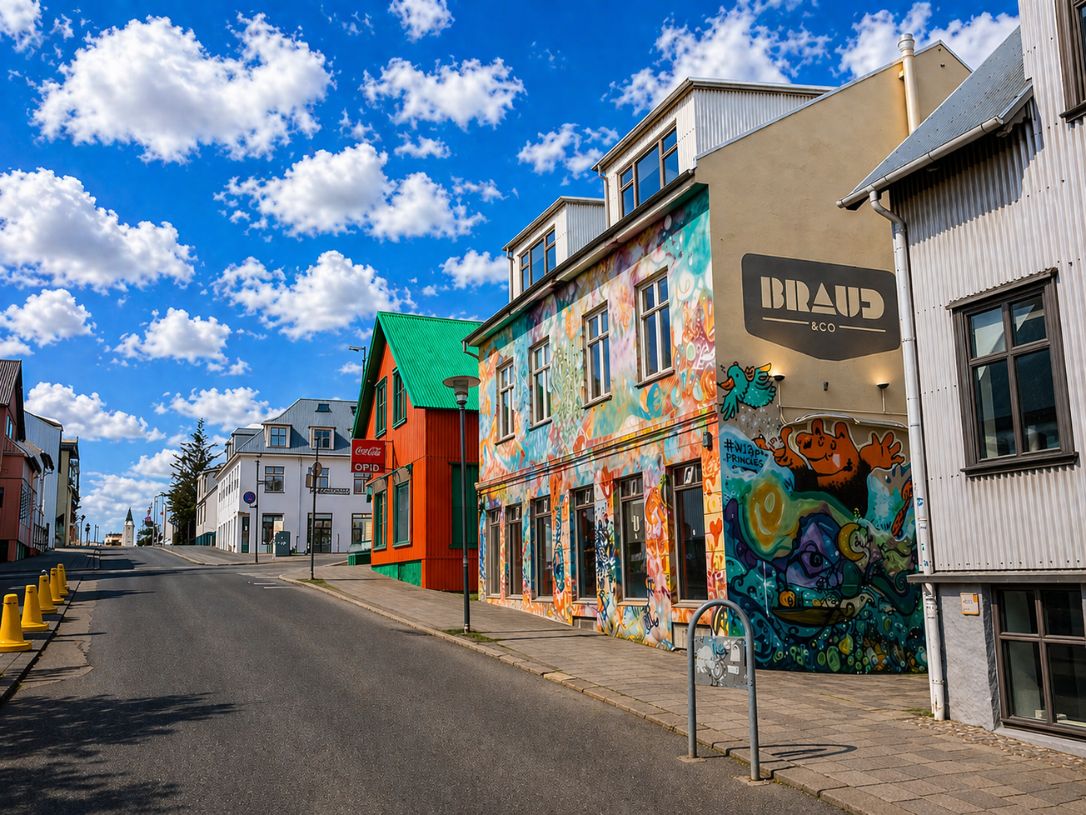 Any season works. Summer brings the freshest seafood and the longest days, which makes outdoor walking between stops genuinely pleasant. Winter turns the same tour into something cosier: you move between warm restaurants in the dark, eating heavier food, and the city feels more itself. The honest answer is that the season shapes the mood more than the quality of the experience.
Summer runs June through August and is peak season for everything in Iceland, food tours included. The produce is at its best: fresh Arctic char, wild herbs, berries for skyr desserts, lamb that finished its highland summer grazing. The city is lively. The walking is comfortable. The tradeoff is that tours sell out faster and popular restaurants are at capacity, which occasionally forces operators to skip stops like Sægreifinn during the busiest weeks because the queue makes it impractical to bring a group through.
September is arguably the best single month. The summer produce is still available, the highland lamb harvest has just begun, the city is less crowded, and the light is extraordinary. Golden and lower than summer, lasting into the evening. Reykjavik in September feels different from any other month. Food tours in that window tend to move at a more relaxed pace.
Wondering which summer food experiences are unique to the bright season and what disappears once autumn arrives? This summer food experience in Iceland guide covers what makes eating in Iceland during summer genuinely different.
Winter tours have their own advocates, and we’ve seen the argument made convincingly. Most of a food tour takes place indoors. Moving between warm restaurants in cold dark air makes arriving at each stop feel like a reward rather than just a transit. The food in winter leans heavier: smoked meats, thick soups, fermented things, warming Brennivín. That seasonal shift is its own experience. And the venues are less crowded, which means more attentive service and easier conversation with the guide.
December and January get a surge from Northern Lights tourists and holiday travelers. Book well in advance for those months. February and March are the quietest, which is when the most flexible booking windows open and some operators have the most time to give to each group.
One practical note regardless of season: dress in weatherproof layers. Reykjavik’s weather doesn’t negotiate. A waterproof shell, warm mid-layer, and comfortable walking shoes with grip cover you for any conditions the city decides to produce during your three hours. The food tastes the same in the wind and rain. You just appreciate the next warm restaurant stop more.
Not sure which winter-specific dishes and food experiences are worth seeking out during the dark season? Check out our winter food experience in Iceland guide before your cold weather trip.
What Do First-Timers Always Get Wrong Before Booking a Food Tour?
Four consistent mistakes: eating a full meal beforehand, booking based on price rather than guide quality, leaving dietary restrictions until the day of the tour, and choosing the wrong format for their group. None of these are hard to avoid once you know about them.
A guided food walk includes tastings and local explanation. Compare its current quote with the meals you would actually buy independently; tasting portions are not equivalent to full restaurant orders, and neither savings nor skipping a later meal is guaranteed.
Booking by price catches people because the spread in Reykjavik is narrower than in larger cities. The cheapest food tour and the most expensive are maybe 4,000 ISK apart per person. The guide quality difference between those options can be enormous. Reviews matter more than price here. Look for consistent mentions of the guide by name, not just generic comments about the food being good. A guide who gets named in reviews is a guide who made an impression. That’s the variable worth paying a slight premium for.
Dietary restrictions at the door create problems for the guide, the restaurants, and you. Operators who run serious tours build accommodation into the route ahead of time. The kitchen at each stop is briefed before you arrive. If you email your restrictions at booking, alternatives are waiting. If you mention them to the guide at the meeting point, some stops will have options and some won’t, and the guide spends the tour improvising rather than guiding. Thirty seconds at booking prevents two hours of uncertainty.
Format mismatch affects groups more than individuals. A family with young children on an evening social tour designed for adults will feel it. A couple looking for an intimate private experience on a 14-person group tour will feel it differently. Read the format description, not just the headline. The wrong format in an expensive city means a significant portion of the day spent on the wrong experience.
We’ve been showing travelers the real Reykjavik food scene since 2014. See dates for the Wake Up Reykjavik Food Tour.
First time trying to eat affordably in Iceland and not sure it’s even possible? Here’s our Reykjavik food tours cheap eats guide so you stop assuming everything is out of reach.
Why Book With Reykjavik Food Tours Instead of Going It Alone?
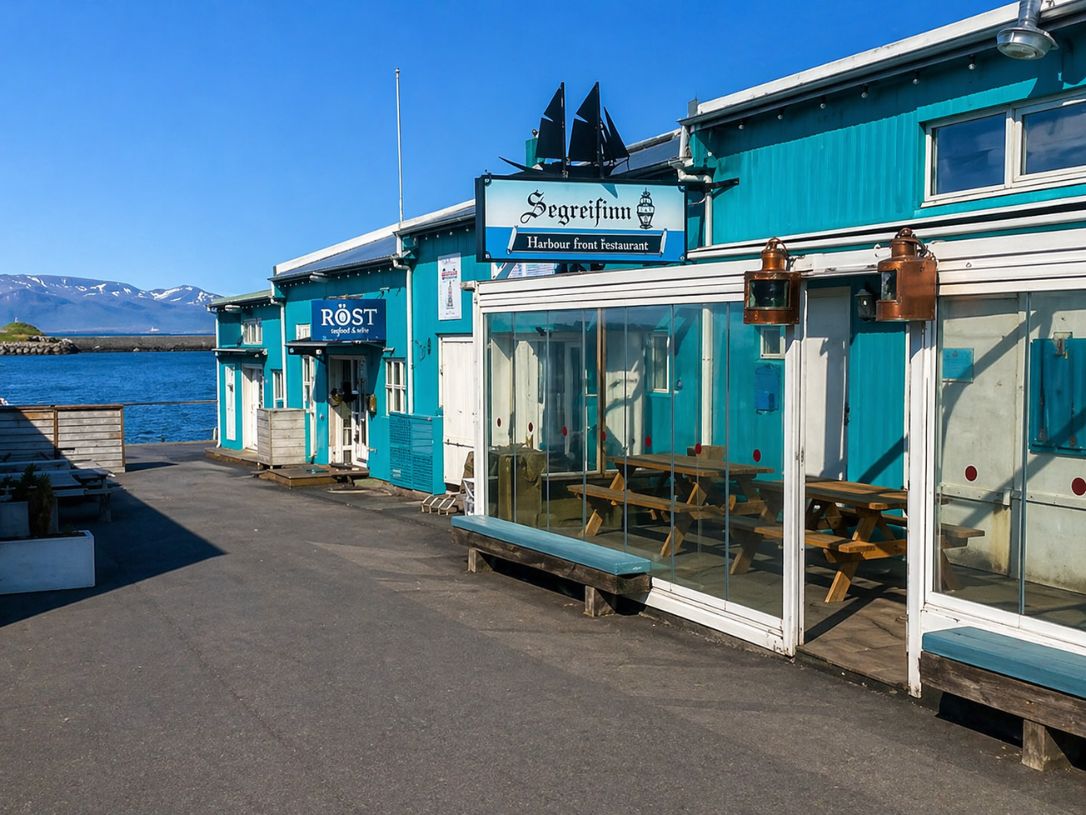 Going it alone in Reykjavik is entirely possible. You can research the hot dog stand, find Sægreifinn, identify the good bakeries, and build a reasonable food day. What you can’t replicate independently is the knowledge behind each stop, the access to places that don’t market to tourists, and the context that makes traditional Icelandic food land differently. That’s what a guide who has lived here and eaten this way their whole life provides.
There’s a specific type of knowledge a guide carries that doesn’t exist in any article or review. It’s the understanding of what a dish means in the household it came from. Kjötsúpa isn’t interesting because it’s hearty lamb soup. It’s interesting because every Icelander has a specific memory of it, usually connected to their grandmother’s kitchen or a cold walk home, and a guide who grew up eating it can tell you that story while you’re eating it. That changes what you’re tasting. The food becomes a door rather than just a meal.
Access is the other factor. The places locals eat don’t all have aggressive online presences. Some have no English menus. Some are in spots you wouldn’t find without someone taking you there deliberately. Guides with established relationships at those venues get their groups seated and served in a way that walk-in tourists rarely experience. The meal is the same. The treatment isn’t.
After guiding over 8,700 travelers through this city’s food scene since 2014, here is what we know: the people who remember their Reykjavik trip most vividly aren’t usually the ones who had the best hotel. They’re the ones who ate something unexpected with a good guide and came home understanding Iceland a little better than they expected to. That’s what a guided food walk is built to do.
Want an honest comparison between booking a food tour and figuring it out yourself? Here’s our Reykjavik food tour vs DIY eating guide so you pick the approach that fits your style.
How To Judge The Experience For Yourself
Choose on the actual itinerary, duration and included tastings. A guided outing adds local explanation and an organized route; your own priorities and current quotes determine whether it is worth the cost.
Frequently Asked Questions
Do I need to eat before a Reykjavik food tour?
No. Come hungry. The cumulative amount of food across 8-13 tastings is equivalent to a full meal. Most people who ate beforehand regret it by the third stop. Have a coffee in the morning if you need one and arrive ready to eat.
Are Reykjavik food tours good in winter?
Yes, in a different way than summer. Most of the tour happens inside warm restaurants, so the cold and dark become part of the atmosphere rather than a problem. The food skews heavier in winter, with more smoked meats, thick soups, and preservation-based dishes. Some people prefer the winter tour specifically because it feels more authentically Icelandic. Book well in advance for December and January due to Northern Lights tourism demand.
Can children do a Reykjavik food tour?
Yes. Children 8 and up generally do well. The walking is slow and easy, the venues are all indoor-seated, and guides adjust their storytelling for mixed groups. Flag at booking if you have young children so the operator can note which stops might be challenging and prepare alternatives to anything too adventurous for younger eaters.
How far in advance should I book a Reykjavik food tour?
In summer (June-August), book 1-4 weeks ahead. Tour groups are capped at 10-14 people and popular time slots sell out, especially morning departures that attract first-day arrivals. In shoulder season (April-May, September-October), a few days ahead is usually sufficient. In winter, flexibility returns except for December and January holiday periods, which book quickly.
Is tipping expected on a Reykjavik food tour?
Tipping is not customary in Iceland and is never required. A good guide who made the tour exceptional will genuinely appreciate it if you choose to tip, but there’s no social expectation and you shouldn’t feel any pressure. The listed tour price is the final price, no tax added at the point of payment.
What should I wear on a Reykjavik food tour?
Waterproof jacket, warm mid-layer, and comfortable walking shoes with grip. Reykjavik weather changes quickly and wind chill near the harbour makes it feel colder than the actual temperature suggests. You’ll be outside for short stretches between stops of about 5-10 minutes each. Comfortable is more important than stylish here.
Icelandic tour guide since 2014 · Founder, Reykjavik Food Tours
Sigurd has guided over 8,700 travelers through Reykjavik’s food scene since founding the agency.
Make Room For One Food Experience
Reykjavik Food And City Walk
Local food, city history, hot dogs, fish and Icelandic ice cream. Have a travel date in mind? Check the departure before arranging the rest of your food day.
Meet at Harpa main entrance; downtown endpoint varies by departure. Confirm dietary requirements and the final stop with the operator.
Choose a date to check the published Viator schedule. Final availability and price are confirmed on Viator.
Check Dates On ViatorWhich Food Tour Fits Your Priorities?
Choose an experience and we will check duration and requirements against the verified product details. Allow travel time separately.
Compare Your Own Costs
Enter totals for the same group in one currency. Use your actual DIY meals, not full restaurant portions priced against small tastings.
Add both amounts to compare. Transfers and extra meals are separate.