Traditional Icelandic Food Guide
What is traditional Icelandic food? Discover the core dishes, preservation methods, and how ancient survival cuisine shapes modern Nordic dining.
Traditional Icelandic food was built for survival, not restaurants. The three pillars are lamb, fish, and dairy, preserved through fermentation, smoking, drying, and geothermal baking because salt was scarce and winters lasted six months. The core dishes still eaten today include kjötsúpa (lamb soup), plokkfiskur (fish stew), skyr (cultured dairy), harðfiskur (dried fish), rúgbrauð (geothermal rye bread), and hangikjöt (smoked lamb). The most unusual items, fermented shark and singed sheep’s head, appear mainly at the midwinter Þorrablót festival. Today a generation of Reykjavik chefs is translating these traditions into some of the most interesting food in the Nordic world.
Use the guide to plan independent food stops, or add a guided experience. Lamb soup, traditional tastings and fermented shark with a local guide. Explore The Guided Option
Affiliate links may earn us a commission at no extra cost to you. Restaurant prices in the original guide are dated estimates; confirm current menus.Quick Reference: Traditional Icelandic Food at a Glance
| Lamb soup | Kjötsúpa | Bone-in lamb, root vegetables, slow-cooked broth | Yes, the heart of Icelandic home cooking |
| Fish stew | Plokkfiskur | Cod or haddock mashed with potato, béchamel, served with rye bread | Yes, Iceland’s defining comfort food |
| Cultured dairy | Skyr | Thick, high-protein dairy, technically a soft cheese, 1,100+ years old | Yes, eaten daily, in every form |
| Dried fish | Harðfiskur | Air-dried cod or haddock, eaten with butter | Yes, oldest surviving Icelandic snack |
| Geothermal rye bread | Rúgbrauð | Dense, sweet dark bread baked underground in geothermal heat for 24 hours | Yes, unlike anything baked in an oven |
| Smoked lamb | Hangikjöt | Lamb smoked over birch or dried sheep dung; Christmas staple year-round | Yes, one of Iceland’s most distinctive flavours |
| Hot dog | Pylsur | Lamb-pork-beef blend, with crispy onions, sweet mustard, remoulade | Yes, the cheapest genuine Icelandic experience |
| Langoustine | Humar | Sweet small lobster from Icelandic waters; often misnamed “lobster” on menus | Yes, the finest thing in the sea here |
| Fermented shark | Hákarl | Greenland shark, fermented 4-5 months underground then air-dried; strong ammonia flavour | Try once – cultural significance outweighs the taste |
| Sheep’s head | Svið | Singed, boiled sheep’s head; a Þorrablót tradition | Optional – significant but niche |
| Twisted doughnut | Kleinur | Cardamom-spiced fried pastry, found in every bakery | Yes, perfect with coffee |
What Is Traditional Icelandic Food Built On?
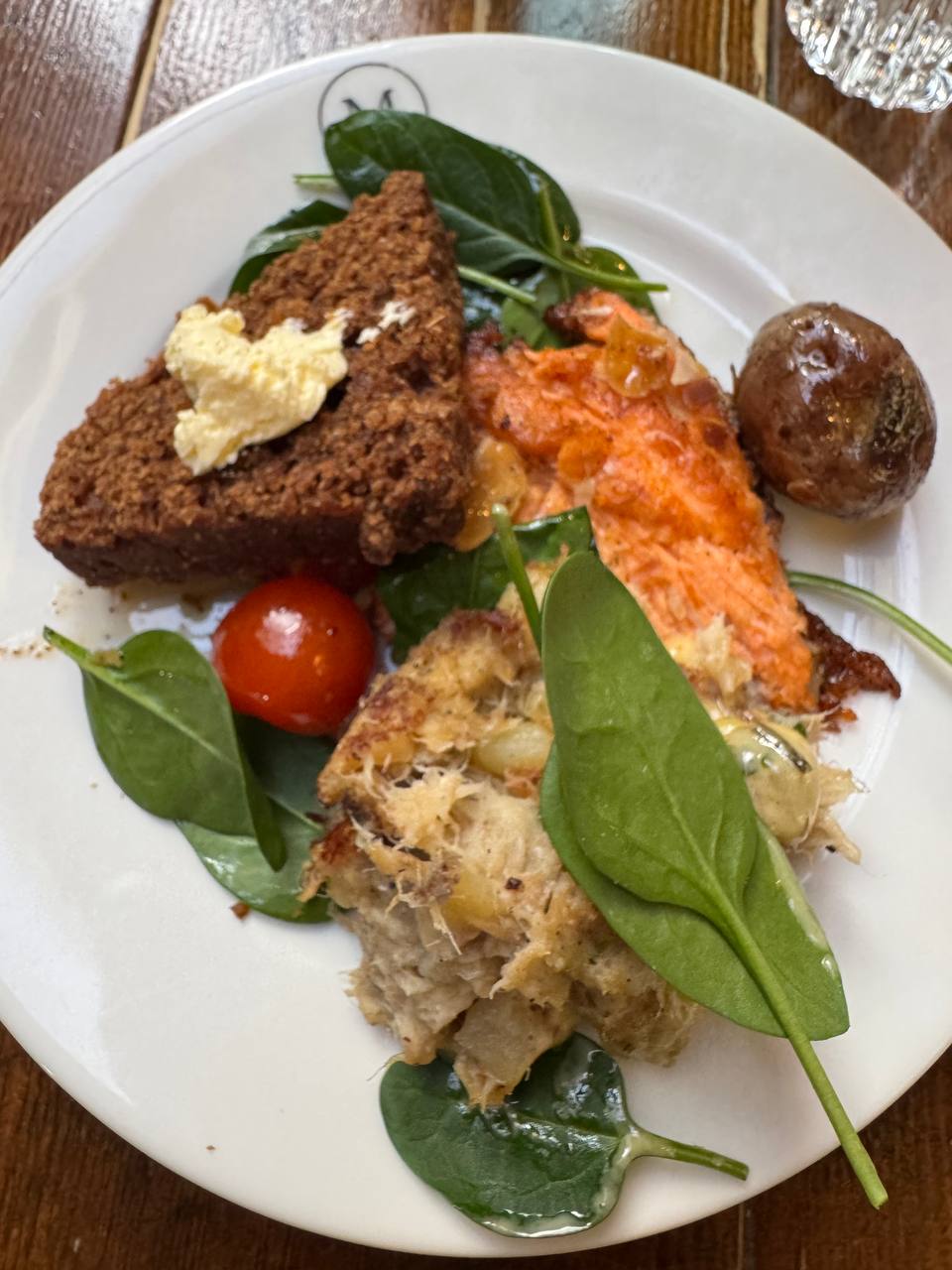 Three ingredients: lamb, fish, and dairy. Three methods: fermentation, smoking, and drying. One reason: survival. Iceland was settled in the 9th century on a volcanic island near the Arctic Circle with no native land mammals, minimal arable land, and winters that lasted six months. The food that emerged from those constraints is still the foundation of what Icelanders eat today.
When Norse settlers arrived from Scandinavia in the late 800s, they brought sheep, cattle, and pigs. The Arctic fox was the only land mammal already here. They cleared the birch forests to make farmland and pasture, which caused soil erosion and left them without firewood. When firewood disappeared, salt production from boiling seawater became impossible. Without salt, they couldn’t cure their food the way Scandinavians did. So they developed their own preservation systems, ones that used what Iceland had in abundance: cold air, wind, geothermal heat, and sour whey from dairy production.
Fermentation in whey became the primary preservation method, unique to Iceland among the Nordic countries. Meat was buried in barrels of lactic acid rather than salt. Fish was hung to air-dry in the coastal winds. Lamb was smoked over dried sheep dung when birch was too scarce to burn. Rye bread was pushed underground near geothermal springs and left to bake slowly in volcanic heat for a full day. Every technique solved the same problem: how to eat in March when the summer’s food had been running out since November.
The result is a cuisine built entirely on place. The lamb tastes the way it does because the sheep spend summer on highland pasture eating wild arctic thyme, moss, and mountain herbs with no grain feed. The dairy has a richness and protein content reflecting cold-climate cows with a distinct breed history. The fish comes from some of the coldest, cleanest, most nutrient-rich waters in the North Atlantic. Iceland’s food is inseparable from its landscape, which is why understanding the history makes every meal taste more interesting.
Skyr has been eaten here for over 1,100 years. There are three jars of 1,000-year-old skyr at the National Museum of Iceland, grey and stone-like, which is perhaps the most Icelandic thing imaginable: a food so fundamental to survival that people preserved the preservation itself.
Want to make food a genuine highlight of your Iceland summer trip rather than an afterthought? Here’s our summer food experience in Iceland guide so you eat with more intention.
What Are the Most Important Traditional Icelandic Dishes to Try?
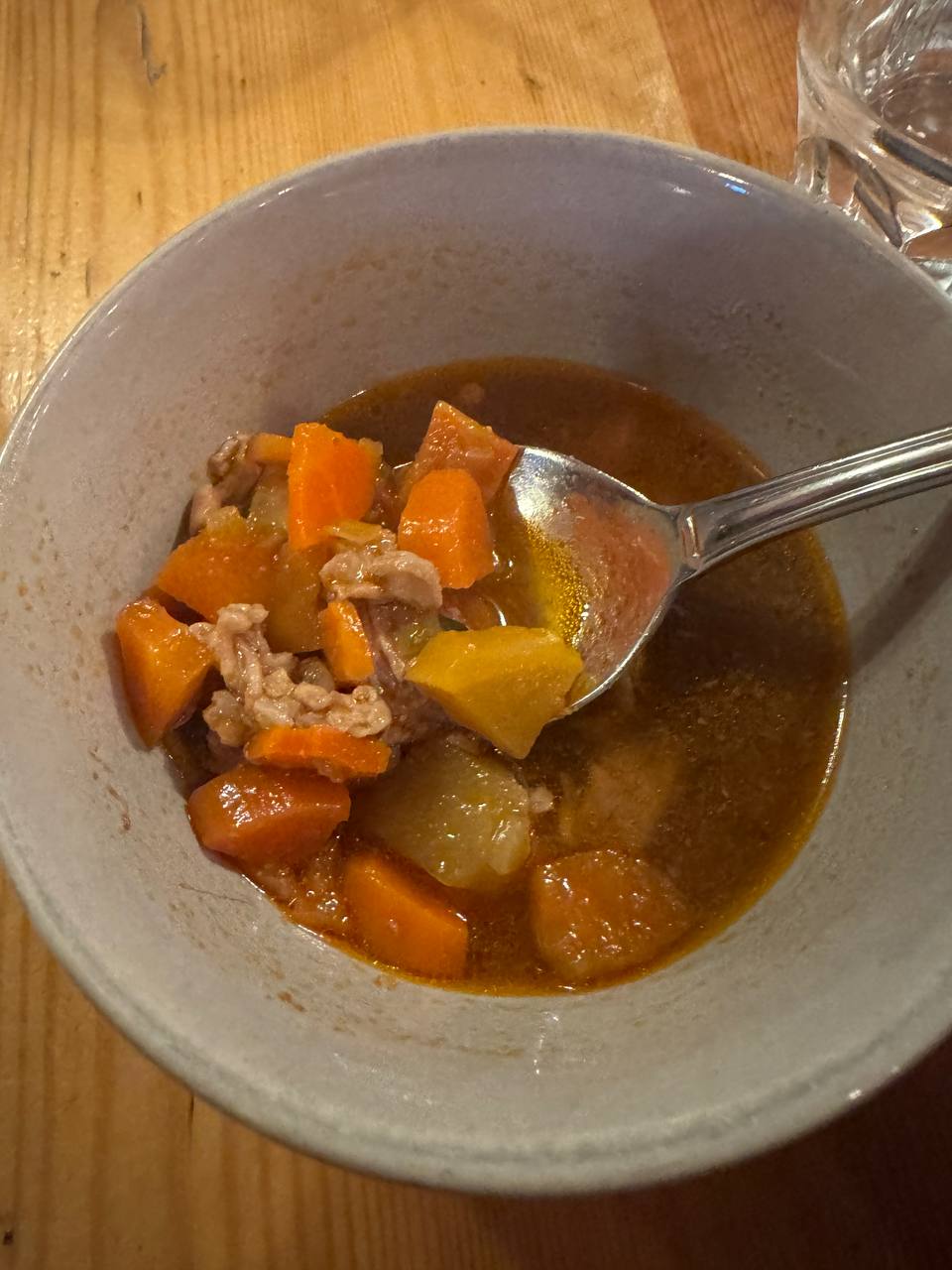 Start with five: kjötsúpa (lamb soup), plokkfiskur (fish stew), skyr, harðfiskur with butter, and rúgbrauð. These five cover the three pillars of the cuisine – lamb, fish, dairy – across every major traditional technique. Everything else builds from here.
Kjötsúpa is the place to start. Bone-in lamb, root vegetables (potato, carrot, rutabaga, turnip), and a broth that takes hours to develop. Every household has its own version. Every guesthouse and café in the country keeps a pot on. The sheep’s bones give the broth a mineral depth that stock cubes can’t approximate, and the lamb, which spent the summer roaming highland pasture, has already self-seasoned on the herbs it grazed. Kjötsúpa is what Icelanders eat coming in from the cold, and if you eat it that way, arriving into a warm room after an afternoon outside, you understand why it’s been here since the 9th century.
Plokkfiskur is older as a recipe concept than the name suggests. “Leftover fish” in its earliest form: whatever fish came in yesterday, mashed with potatoes and enriched with a simple béchamel or cream sauce, then served alongside a thick slice of rúgbrauð. The rye bread is essential to the pairing. Its faint sweetness and dense, almost pudding-like texture plays off the savoury fish stew in a way that a standard bread doesn’t. Modern versions sometimes add cheese, curry, or chives. Traditional versions don’t need any of it. The baseline is already complete.
Skyr sits in a category by itself. Technically a soft cheese, not a yogurt, though the debate is academic by the time you’re eating it. It’s made from skim milk with live bacterial cultures, strained until thick, and carries around 12% protein. Slightly tangy alone, excellent with fresh blueberries, rhubarb, or honey, and used across Icelandic cuisine from breakfast to dessert. The skyr available outside Iceland is a diluted commercial product. The version here, from Icelandic dairy farms, is richer and more distinctively sour. It’s worth eating every day you’re in the country.
Harðfiskur deserves more attention than it gets from most visitors. Air-dried cod or haddock, stripped to about 10% of its original weight in the coastal winds, then eaten in strips with a generous smear of salted butter. The texture is somewhere between jerky and a cracker. The smell is powerful. The taste, especially with the butter, is clean and oceanic and deeply satisfying. Icelanders take bags of it abroad when they travel the way other people bring chocolate. It’s sold in every grocery store and gas station in the country.
If you’d rather experience all five of these in one session with someone who can explain every one of them, our team at Reykjavik Food Tours has been doing exactly that for over 8,700 travelers since 2014.
There’s a lot more to Reykjavik’s food scene than most visitors ever discover – our what to eat in Reykjavik food tours guide breaks down the dishes and experiences worth going out of your way for.
What Is Icelandic Lamb and Why Does It Taste Different?
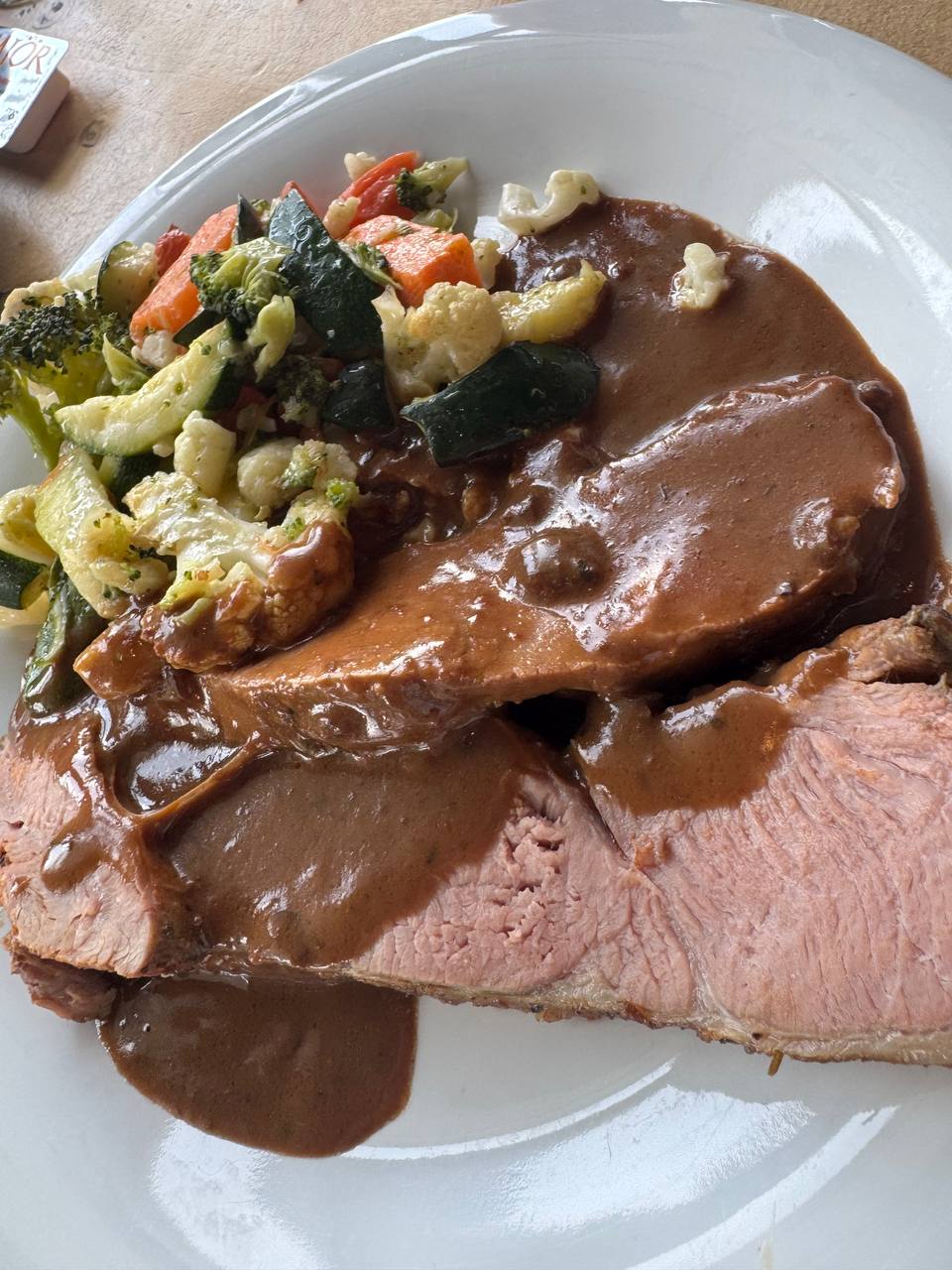 Icelandic lamb tastes different because of where the sheep spend their summer. From late spring through early autumn, Iceland’s sheep roam freely across open highland pasture with no fences, no grain feed, and no hormones. They graze on arctic thyme, wild herbs, moss, and mountain grasses while drinking from glacial springs. The resulting meat is naturally tender with a clean, slightly sweet flavour that people consistently describe as unlike any lamb they’ve tasted elsewhere.
Iceland has been raising sheep since the first settlers arrived. The breed descends directly from animals brought by Norse and Celtic settlers over a thousand years ago and has had almost no outside genetic influence since, making it one of the most genetically isolated livestock breeds in the world. That isolation, combined with the diet, produces something genuinely distinct.
The round-up (réttir) happens each September when farmers on horseback and on foot drive the sheep down from the highlands before winter. It’s one of Iceland’s oldest unchanged agricultural traditions. The lambs born that spring, having spent their entire lives on open highland pasture, provide the season’s best meat. Icelanders who grew up eating lamb will tell you they can taste the difference between a highland-grazed animal and anything else. We believe them.
Lamb shows up across traditional Icelandic cuisine in several distinct forms. Kjötsúpa (soup) is the most common everyday preparation. Hangikjöt (smoked lamb) is the holiday form, hung and smoked over birch or dried sheep dung until it develops a rich, layered smokiness, then served thinly sliced on flatbread. Lambalæri (leg of lamb) is the Sunday roast, slow-cooked and served with caramelised potatoes and pickled red cabbage. Plokkfiskur traditionally used fish but lamb versions exist. Even the hot dog has lamb in the blend.
A note on hangikjöt for visitors who encounter it: the smoke source matters. Birch-smoked hangikjöt has a cleaner, lighter smoke. Sheep dung-smoked hangikjöt is more intense and pungent, which sounds alarming and tastes extraordinary. Both are historically authentic. The latter is harder to find and more distinctively Icelandic. If a menu specifies the fuel source, that’s the version worth trying.
What Traditional Icelandic Seafood Should You Know About?
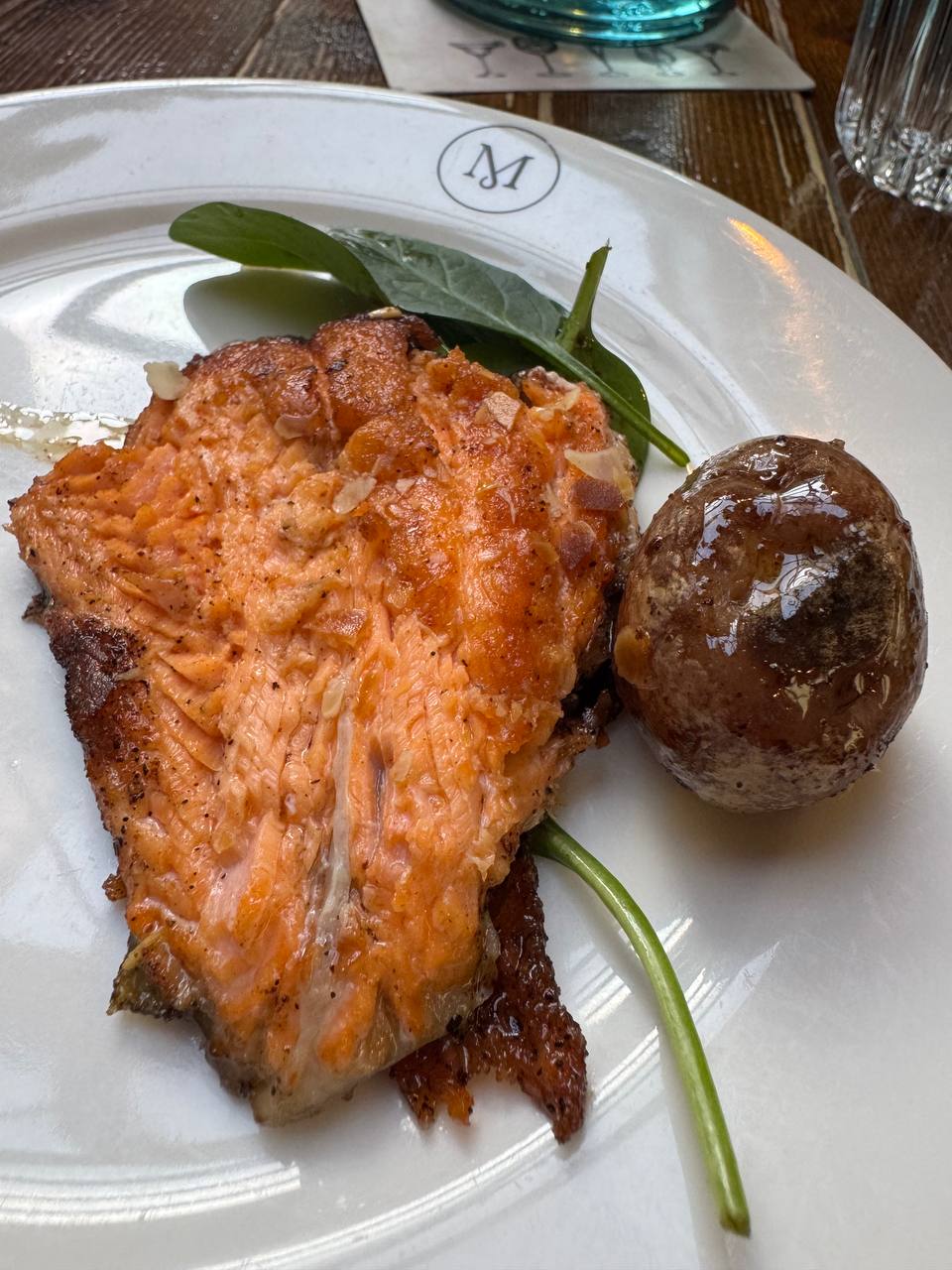 Iceland consumes more seafood per capita than almost any country on Earth, around 200 pounds per person per year. The key species for traditional food are cod, haddock, Arctic char, and langoustine (called humar or “lobster” on Icelandic menus, though it’s technically langoustine). All four come from waters that are cold, clean, and nutrient-rich in ways that directly affect the flavour.
Cod has been Iceland’s most economically important fish for over a thousand years. The country went to war over it three times (the Cod Wars with Britain, 1952-1976). Fresh Icelandic cod is dense, flaky, and remarkably clean in flavour compared to the frozen product most visitors know from home. It appears in plokkfiskur, in fish and chips, in harðfiskur, and as a simple pan-fried preparation with brown butter that needs nothing else.
Haddock is slightly sweeter and softer than cod, preferred by many Icelanders for everyday cooking. It’s the fish most commonly used in plokkfiskur, the most common species in harðfiskur, and excellent battered for fish and chips. Iceland does fish and chips differently from the British version: the batter uses spelt flour for a lighter, almost tempura-like coating, and the chips are often oven-roasted rather than deep-fried.
Arctic char (bleikja) is the one that surprises most visitors. A freshwater fish related to salmon and trout, it lives in Iceland’s glacial rivers and geothermal lakes. The flesh is pink-orange, the flavour clean and mild, somewhere between the two relatives. It doesn’t travel well, which means the version in Reykjavik restaurants is of a quality genuinely unavailable elsewhere. Pan-fried, slow-cooked, cured, or smoked, it’s consistently the most underrated fish on any Icelandic menu.
Langoustine deserves a naming note. When Icelandic menus say “lobster” or “humar,” they mean langoustine, the smaller sweet-tailed crustacean fished in Icelandic and Norwegian waters. The town of Höfn in southeast Iceland is the langoustine capital. The classic preparation is tails grilled with butter and garlic, which needs no embellishment when the source material is this good. In Reykjavik, langoustine soup at Sægreifinn at the old harbour is one of the city’s genuine food experiences: rich, slightly sweet broth, generous langoustine, served in a no-ceremony setting that locals prefer to anywhere more polished.
What Are the Most Unusual Traditional Icelandic Foods?
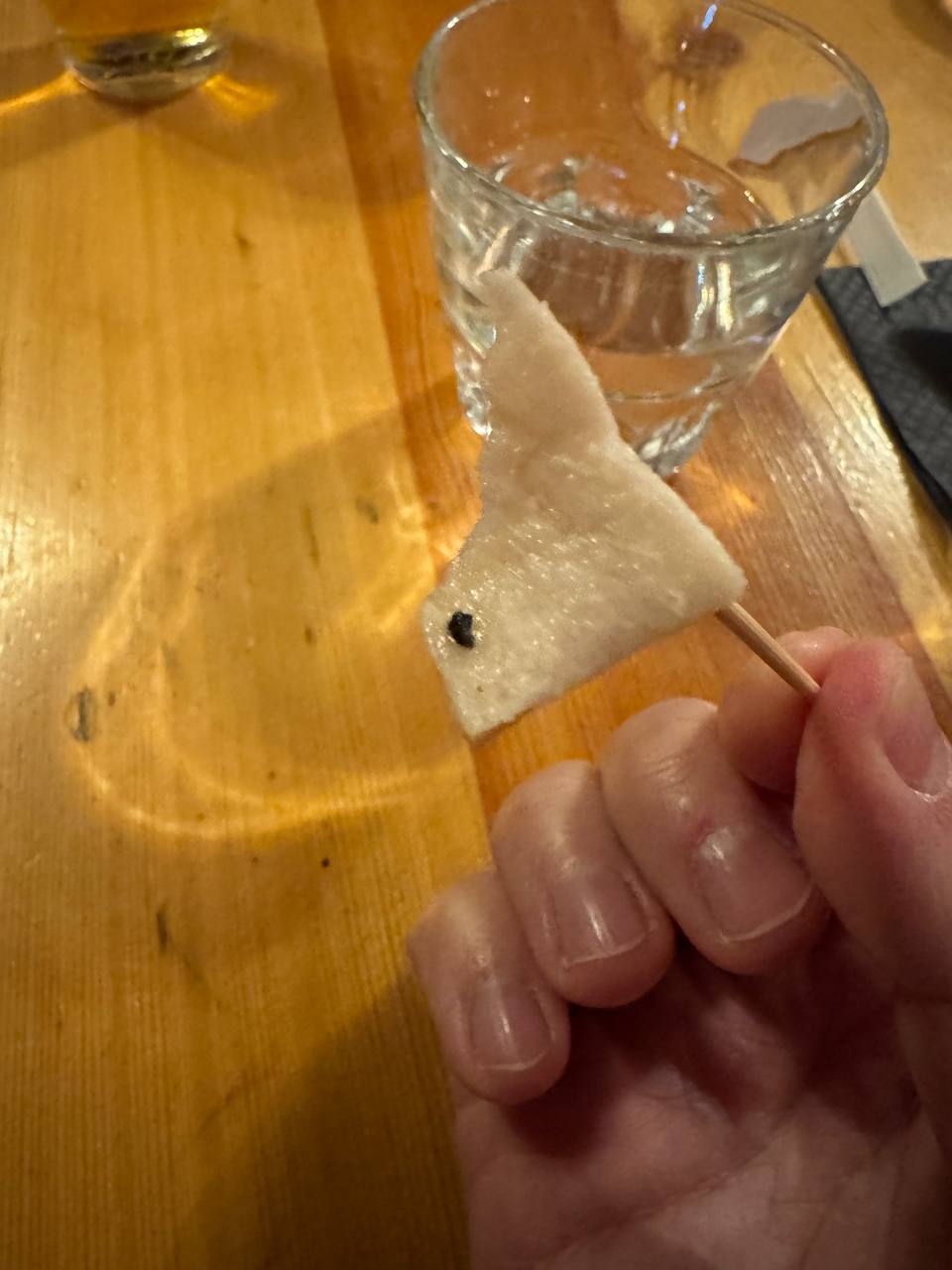 The most unusual traditional Icelandic foods are products of preservation necessity, not acquired taste for its own sake. Hákarl (fermented Greenland shark), svið (singed sheep’s head), and súrsaðir hrútspungar (pickled ram’s testicles) appear primarily at the midwinter Þorrablót feast in January and February. They represent survival food from centuries when nothing edible could be wasted. Understanding that context makes them easier to approach, though not necessarily easier to enjoy.
Hákarl is the most famous. Greenland shark is toxic when fresh because its flesh is saturated with urea and trimethylamine oxide. The traditional preparation involves burying the shark underground for 6-12 weeks, where pressure and bacteria break down the toxic compounds, then hanging it to air-dry for 4-5 months. The result has a powerful ammonia smell and an intense fermented flavour. It’s eaten in small cubes and always accompanied by a shot of Brennivín, a caraway-flavoured schnapps sometimes called “Black Death,” because the spirit cuts the ammonia edge. The pairing is centuries old and functional: Brennivín is not a chaser, it’s the completion of the dish.
Most visitors try hákarl once. The reaction varies from genuine shock to grudging respect for the technique. What changes the experience is understanding what it represents: this was food that kept people alive when nothing else was available. Greenland sharks were poisonous. Icelanders worked out how to make them safe and edible. That’s not a tourist gimmick. That’s a thousand years of ingenuity on a plate.
Svið is singed sheep’s head, split in half and boiled. It appears alongside hákarl at Þorrablót and in a few traditional restaurants year-round. The cheeks and tongue are the prize parts. The eye is the challenge. Locals eat it without ceremony. Visitors find it confronting until they actually try it, at which point most discover the meat is mild, tender, and similar in character to any slow-cooked lamb preparation. The challenge is entirely visual.
Þorrablót itself is worth understanding as a cultural event. Held during the month of Þorri (late January to mid-February), it’s a midwinter feast rooted in the old Norse calendar. Icelanders gather to eat the preserved foods their ancestors made, drink Brennivín, and acknowledge that winter is finally passing. The feast isn’t purely historical. Many Icelanders genuinely look forward to it. The foods that appear, hákarl, svið, harðfiskur, hangikjöt, pickled ram’s testicles, rúgbrauð, soured whale (in some regions), represent a direct connection to the food culture that kept Iceland inhabited for twelve centuries in conditions that would have finished most settlements.
Not sure which unusual Icelandic dishes are genuinely worth trying and which ones are purely an endurance test for tourists? Check out our weird Icelandic foods and where to try them guide before you get adventurous.
How Has Traditional Icelandic Food Survived Into the Modern Era?
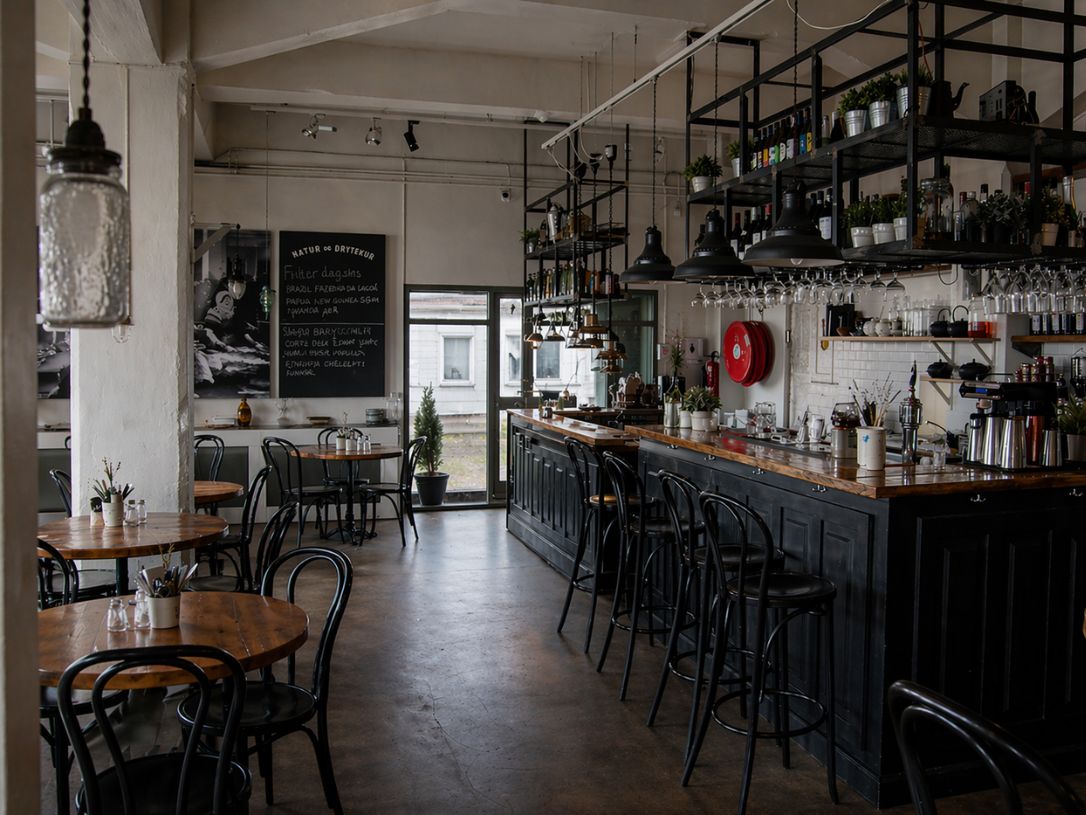 Traditional Icelandic food went through a difficult period in the mid-20th century when modern refrigeration, imports, and urbanisation made the old preservation techniques seem obsolete rather than ingenious. What saved them was partly the New Nordic food movement that emerged from Copenhagen in the mid-2000s, partly a generation of Icelandic chefs who recognised the quality of their own ingredients, and partly a simple fact: the food is genuinely good when prepared well.
For several decades after World War II, many traditional Icelandic dishes were associated with poverty and hardship rather than heritage. Young Icelanders who moved to Reykjavik in the urbanisation boom of the 1940s and 1950s left behind the hákarl and svið of rural life and embraced the imported consumer foods that signalled modernity. Skyr stayed because it was too useful and too embedded. Kjötsúpa stayed because it was too good. The more extreme preservation foods retreated to Þorrablót, where they lived as nostalgia and cultural identity rather than everyday eating.
The New Nordic movement, catalysed by Noma in Copenhagen from 2003 onward, changed the framing entirely. By treating fermentation, foraged herbs, preserved meats, and local seasonal ingredients as the foundation of serious cuisine rather than the remnant of poverty, the movement gave Icelandic chefs a framework to work within that celebrated exactly what Iceland does best. Dill, Iceland’s first Michelin-starred restaurant, opened in 2009 with the explicit goal of applying this philosophy to Icelandic ingredients. Chef Gunnar Karl Gíslason built menus around smoked fish, highland lamb, foraged herbs, and fermented preparations, presenting them in a way that made international diners recognise their quality for the first time.
Matur og Drykkur, housed in a former salt fish factory in the Grandi harbour district, takes a different approach. Where Dill goes New Nordic, Matur og Drykkur goes directly back to source material. The restaurant’s name comes from a 1947 Icelandic cookbook by Helga Sigurðardóttir, and the kitchen uses that book and other historical sources to resurrect recipes that had nearly disappeared. Cod’s head soup, halibut with whey, lamb preparations using cuts that modern restaurants discard: the dishes read like challenges and taste like discoveries. The approach is to make Icelanders proud of their own culinary history rather than embarrassed by it.
The result of all this is that traditional Icelandic food now occupies two simultaneous roles. At the everyday level, skyr, kjötsúpa, plokkfiskur, and harðfiskur remain genuinely present in Icelandic households and neighbourhood restaurants. At the fine dining level, the same ingredients and the same preservation traditions that once signified survival now anchor some of the most interesting cooking in the Nordic world. The food hasn’t changed. The framing has.
Where Can You Try Authentic Traditional Icelandic Food in Reykjavik?
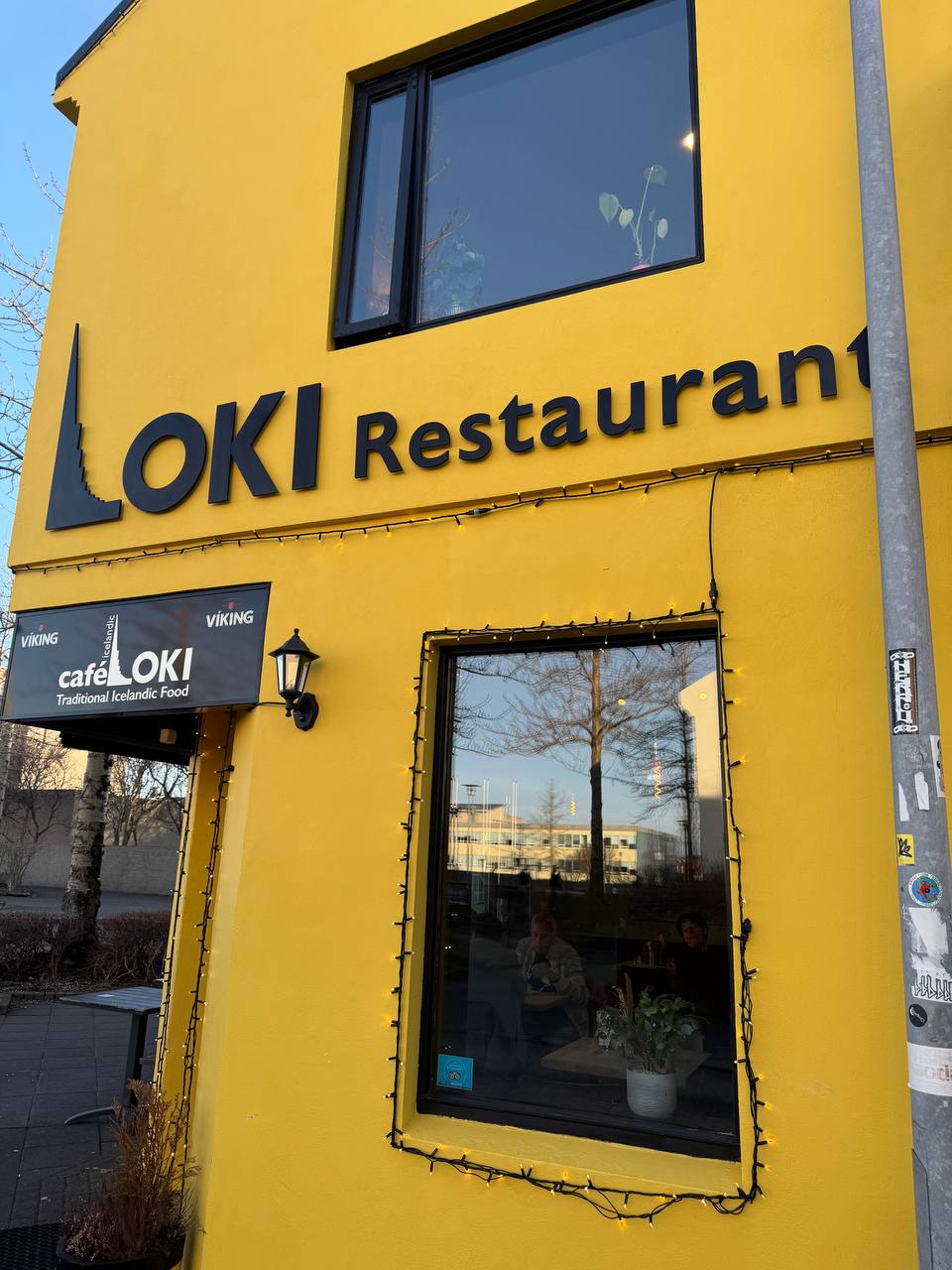 The most reliable places for authentic traditional Icelandic food range from Café Loki near Hallgrímskirkja for everyday traditional preparations, to Íslenski Barinn for warm, unpretentious home-style cooking, to Matur og Drykkur at the harbour for serious heritage-based cooking elevated by modern technique. For traditional snacks, every Bónus supermarket carries harðfiskur, skyr, and hangikjöt at prices that make sense.
| Café Loki | Traditional café near Hallgrímskirkja | Plokkfiskur, kjötsúpa, rúgbrauð, rye bread ice cream | 2,500-5,500 |
| Íslenski Barinn | Casual traditional bar-restaurant | Lamb soup, harðfiskur, fermented shark with Brennivín | 2,500-6,000 |
| Matur og Drykkur | Heritage-based fine dining in old fish factory | Seasonal tasting menu based on historical Icelandic recipes | 12,000-18,000 |
| Sægreifinn (Sea Baron) | Harbour shack, no frills | Langoustine soup, grilled fish skewers, hákarl sample | 1,800-4,500 |
| Icelandic Street Food | Casual, central, free refills | Kjötsúpa, plokkfiskur, fish stew in bread bowls | 1,800-2,500 |
| Bæjarins Beztu Pylsur | Hot dog stand, 1937 | Pylsur with everything (eina með öllu) | 820 |
| Bónus supermarket | Cheapest grocery chain | Harðfiskur, skyr, hangikjöt slices, rúgbrauð, Icelandic butter | 500-2,000 per item |
Prices verified April 2025.
A note on Café Loki specifically: it sits directly across from Hallgrímskirkja and is one of the few places in the city that does rúgbrauð ice cream, which is exactly what it sounds like – stale rye bread crumbled into dense vanilla ice cream. It sounds odd and tastes like Iceland in a spoon. The combination of the slightly bitter, caramelised bread with the dairy richness works better than it has any right to. Order it even if you’ve just eaten. Especially if you’ve just eaten.
For the widest introduction to traditional Icelandic food in the shortest time, a guided food tour covers all the key dishes with a local expert who can explain what you’re eating and why it exists. We’ve been showing travelers the real Reykjavik food scene since 2014. Come eat with us.
Wondering how to balance guided food experiences with independent meals without doubling up or missing key dishes? This Reykjavik food tours itinerary guide covers the planning details most visitors only wish they’d sorted earlier.
How To Judge The Experience For Yourself
Choose on the actual itinerary, duration and included tastings. A guided outing adds local explanation and an organized route; your own priorities and current quotes determine whether it is worth the cost.
Frequently Asked Questions
What is the national dish of Iceland?
There’s no single official national dish, but kjötsúpa (lamb soup) and hangikjöt (smoked lamb) are the strongest cultural candidates. Pylsur (the hot dog) functions as an unofficial national fast food. Skyr, while technically a dairy product, is arguably the most embedded single item in Icelandic food culture, having been present and unchanged for over 1,100 years.
Is skyr yogurt or cheese?
Technically it’s a soft cheese. Skyr is made from skim milk and live bacterial cultures and strained until thick, making it a fresh acid-set cheese rather than a fermented dairy product. However, most Icelanders call it dairy and eat it the way others eat yogurt. The taxonomy debate doesn’t affect how good it is. What matters is that the version in Iceland tastes significantly different from the exported commercial product, because it’s fresher and made from Icelandic milk rather than scaled industrial production.
What is Þorrablót?
Þorrablót is a midwinter feast celebrated in the month of Þorri, roughly late January to mid-February, which corresponds to the fourth month of winter in the old Norse calendar. Icelanders gather to eat the preserved traditional foods that once sustained their ancestors through the hardest part of winter: hákarl, hangikjöt, harðfiskur, svið (sheep’s head), súrsaðir hrútspungar (pickled ram’s testicles), rúgbrauð, and Brennivín. It’s a cultural celebration of survival techniques as much as a meal.
Why is Icelandic lamb different from other lamb?
Icelandic sheep spend summer on open highland pasture eating wild arctic thyme, mountain herbs, and moss with no grain feed, no hormones, and no fences. The breed descends from animals brought by the original Norse settlers over a thousand years ago and has had almost no outside genetic influence since. This isolation, combined with the distinctive diet, produces meat that is naturally tender, cleaner in flavour, and slightly sweet in a way that grain-fed lamb rarely achieves.
Is fermented shark (hákarl) safe to eat?
Yes, when properly prepared. Greenland shark flesh is toxic when fresh because it contains high concentrations of urea and trimethylamine oxide. The traditional fermentation process, burying the shark for 6-12 weeks then air-drying for 4-5 months, breaks down these toxic compounds completely. The resulting food is safe but intensely flavoured and strongly ammonia-scented. It’s traditionally eaten in small pieces with a shot of Brennivín. The pairing is functional: the caraway spirit cuts the ammonia edge significantly.
What is rúgbrauð and why is it different from regular rye bread?
Rúgbrauð is a dense, dark rye bread traditionally baked in a pot buried near a geothermal hot spring for 24 hours. The slow, indirect heat from the volcanic ground produces a faint sweetness and a sticky, almost pudding-like interior texture that oven-baked bread cannot replicate. It’s heavier and denser than most rye breads, with no crust, and pairs best with butter, smoked fish, or as a side to plokkfiskur. The nickname þrumari means “thunderbread” for reasons that become clear if you eat too much of it.
Icelandic tour guide since 2014 · Founder, Reykjavik Food Tours
Sigurd has guided over 8,700 travelers through Reykjavik’s food scene since founding the agency.
Make Room For One Food Experience
Traditional Icelandic Food Walk
Lamb soup, traditional tastings and fermented shark with a local guide. Have a travel date in mind? Check the departure before arranging the rest of your food day.
Meet outside Hlöllabátar at Ingólfstorg; finishes at the same square. Hotel transfers and tips excluded. Dietary requests need operator confirmation.
Choose a date to check the published Viator schedule. Final availability and price are confirmed on Viator.
Check Dates On ViatorWhich Icelandic Tasting Experience Fits You?
Choose an experience and we will check duration and requirements against the verified product details. Allow travel time separately.
Compare Your Own Costs
Enter totals for the same group in one currency. Use your actual DIY meals, not full restaurant portions priced against small tastings.
Add both amounts to compare. Transfers and extra meals are separate.