Summer Food Experience in Iceland
Summer in Reykjavik is all about midnight sun, outdoor eating, and fresh seasonal food. Discover what to eat, when to go, and why summer food tours are the best.
Summer eating in Iceland runs on different rules than winter. The midnight sun means dinner at 10pm in full daylight, ice cream at midnight as a normal family activity, and a general loosening of time that makes grazing across the day feel natural. Seasonally, summer brings rhubarb desserts, wild blueberries and crowberries from late August, fresh Arctic char and langoustine, grilled lamb, and the best food tour conditions of the year. The food tour itself peaks in summer – more stops available, lighter mood, venues at their busiest. Book four to six weeks ahead for peak June and July slots. The outdoor eating circuit – pylsur from the harbour stand, Valdís gelato, waterfront tables – only exists in meaningful form from May through August.
Use the guide to plan independent food stops, or add a guided experience. Local food, city history, hot dogs, fish and Icelandic ice cream. Explore The Guided Option
Affiliate links may earn us a commission at no extra cost to you. Restaurant prices in the original guide are dated estimates; confirm current menus.Quick Reference: Summer Food in Iceland at a Glance
| May | ~19-21 hours; nights dim but never truly dark | Rhubarb season begins; outdoor eating opens up; summer tour season starts |
| June | ~23 hours; solstice June 21, barely sets | Peak food tour season; langoustine and Arctic char fresh; Fishermen’s Day June 8; late dinners in daylight |
| July | ~22 hours; still near-constant daylight | Busiest tourist month; grilled lamb peaks; ísbíltúr ice cream drive culture at its height; midnight snacks normal |
| August | ~18-20 hours; darkness returning by month end | Wild blueberry and crowberry season; lamb grazing peaks before autumn slaughter; quieter restaurants mid-August onward |
All prices and seasonal information verified April 2025.
What Makes Eating in Iceland Different in Summer?
 Summer eating in Iceland is different from winter in three ways that matter for food-focused visitors. The near-constant daylight disrupts conventional meal timing, making dinner at 10pm in full sunshine completely normal and ice cream at midnight an ordinary family activity. The outdoor eating circuit – harbour-side pylsur stands, Valdís gelato at the old harbour, waterfront tables – only functions in summer. And the food tour runs at its best conditions and greatest variety: more stops available, venues operating at capacity, seasonal ingredients at peak.
The daylight effect on eating is real and worth understanding before you arrive. In June, Reykjavik experiences close to 23 hours of light around the solstice – the sun barely dips below the horizon before rising again. Your internal meal clock doesn’t recalibrate quickly. Visitors who plan to eat dinner at 6pm as they would at home often find themselves at restaurants that are still half-empty, with the best tables and most attentive service of the evening. Shifting the main meal to 8 or 9pm, when the restaurants are properly alive and the light through the windows gives the food a golden quality that doesn’t exist at any other time of year, is one of the most underrated adjustments a summer visitor can make.
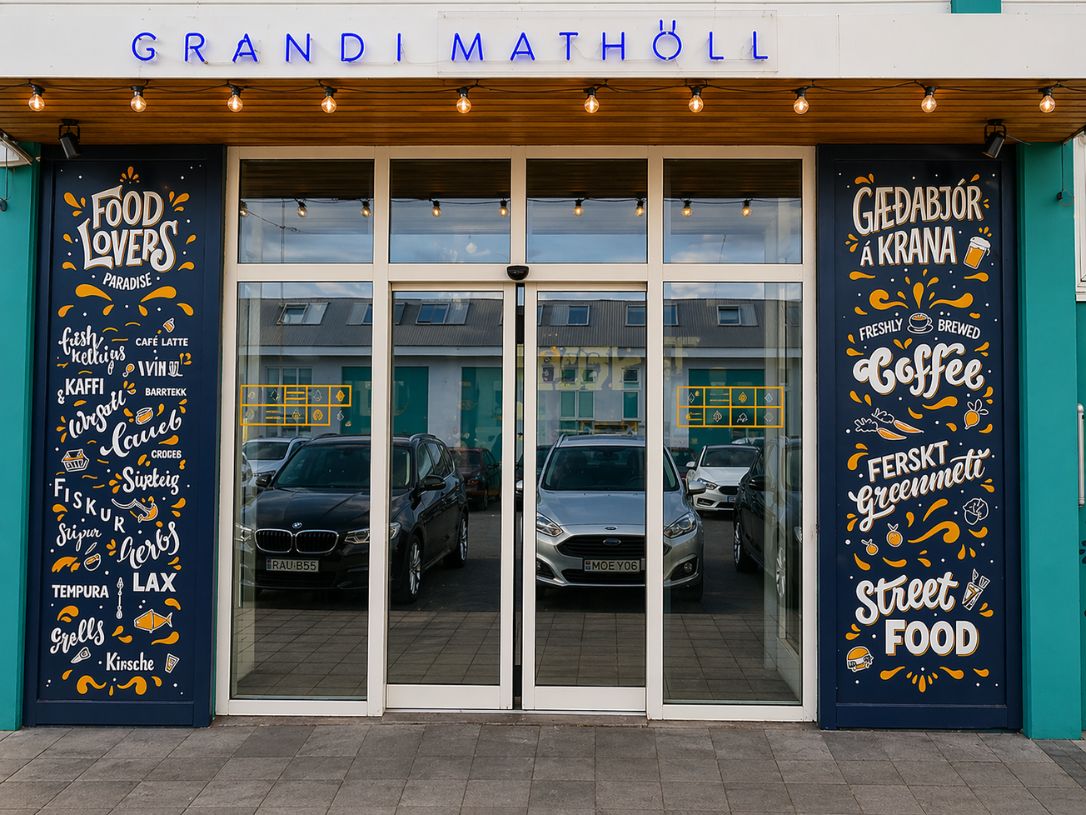
The summer food scene also runs at higher volume than winter in terms of sheer variety and energy. The city is busier, the restaurants are fuller, and the specific outdoor experiences – eating pylsur by the harbour with a view of Harpa, sitting on a bench outside Grandi Mathöll with a beer and fish and chips, queuing at Ísbúð Vesturbæjar in the West End as families do on a Sunday evening – all require the light and the relative warmth that only summer provides. Iceland in summer is a different country to eat in than Iceland in winter. Neither is better. They’re different in specific ways that matter to different visitors.
The one consistent summer challenge is access to the best restaurants. Dill, Matur og Drykkur, Skál, and Óx are harder to book in June and July than in February. The food tour books out faster – six to eight weeks ahead for prime summer slots rather than same-week in winter. Anyone planning a food-focused summer trip needs to build bookings before they arrive, not from the hotel room on arrival day.
What Summer-Only Foods and Ingredients Appear in Iceland?
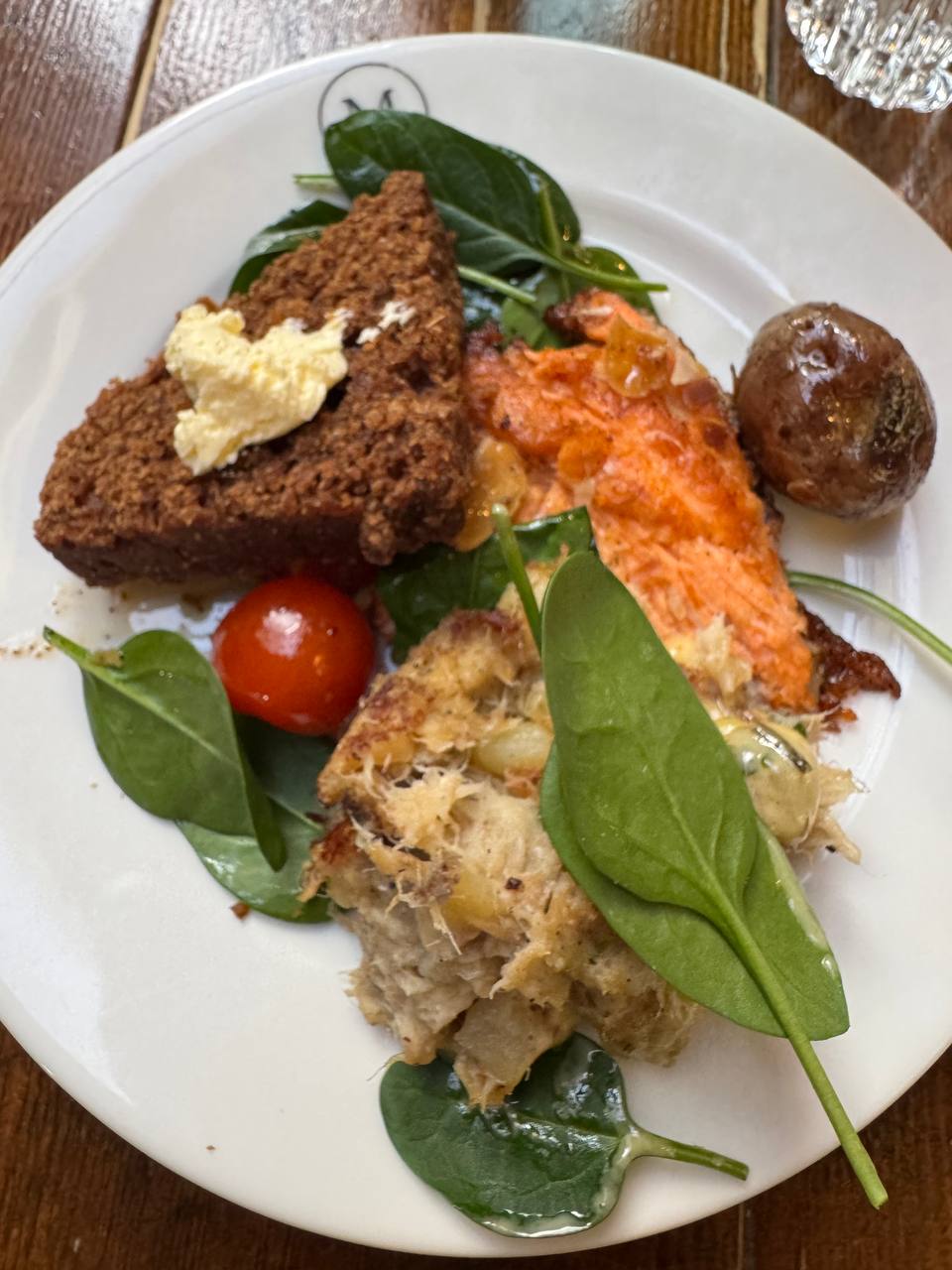 Three categories of food are meaningfully different or only available in summer: rhubarb (May through July, appearing in desserts, cakes, cocktails, and as a sauce element across serious restaurants), wild berries – blueberries and crowberries – which ripen from mid-August and appear on restaurant menus and in Bónus grocery stores, and the fresh lamb grazing season, when the animals are on the highland herb fields and the meat is at its leanest and most aromatic before the autumn slaughter. Summer also brings the best Arctic char and langoustine season from a freshness standpoint, though both are available year-round.
Rhubarb is the ingredient that most clearly signals summer on an Icelandic menu. Every garden in the country grows it. Every home cook makes rúbarbasulta, the dark, rich rhubarb jam boiled down with sugar until it turns almost caramel. On restaurant menus it appears in hjónabandssæla – the “happy marriage cake” made with rhubarb jam and oat crumble that translates to one of the most distinctly Icelandic dessert experiences available, and as an element in modern preparations at places like Matur og Drykkur, where rhubarb dressing alongside smoked trout or cured fish appears as a seasonal flourish that Sigurd’s summer tours return to again and again. Ask for the rhubarb element wherever it appears on a menu from May through July. It disappears when the season ends.
Wild berries occupy a different time slot within summer. Blueberries and crowberries ripen from mid-August and run through September, with the berry-picking season one of the most deeply embedded Icelandic family traditions. Locally the practice is called going to pick bláber and krækiber – families heading into the hillsides and heathlands with buckets, eating as they go. The volcanic soil, pure air, and 20-hour summer days produce berries of an intensity that cultivated versions don’t approach. Wild Icelandic blueberries are smaller, darker, and more concentrated than anything sold in a supermarket. On restaurant menus they appear in lamb glazes, ice cream toppings, and dessert sauces. At Bónus from mid-August you can buy them fresh in small quantities before they disappear.
Fresh lamb in summer means the animals are on the highland pastures eating wild herbs, grasses, and flowers in 24-hour light that maximises feeding time. The flavour of Icelandic lamb at this point of the year is distinctly herbal and lean – a different product from the autumn lamb that appears on Þorrablót tables, though both come from the same breed. Grilled lamb on summer menus at restaurants like Grillmarkaðurinn and Skál is as good as lamb gets anywhere in the world. The sheep range freely across Iceland’s interior highlands from spring through late August, and that diet shows in every bite.
Want to eat well in Reykjavik without defaulting to the same spots every travel blog recommends? Here’s our what to eat in Reykjavik food tours guide so you find the real stuff.
Which Reykjavik Restaurants Are Best for a Summer Food Experience?
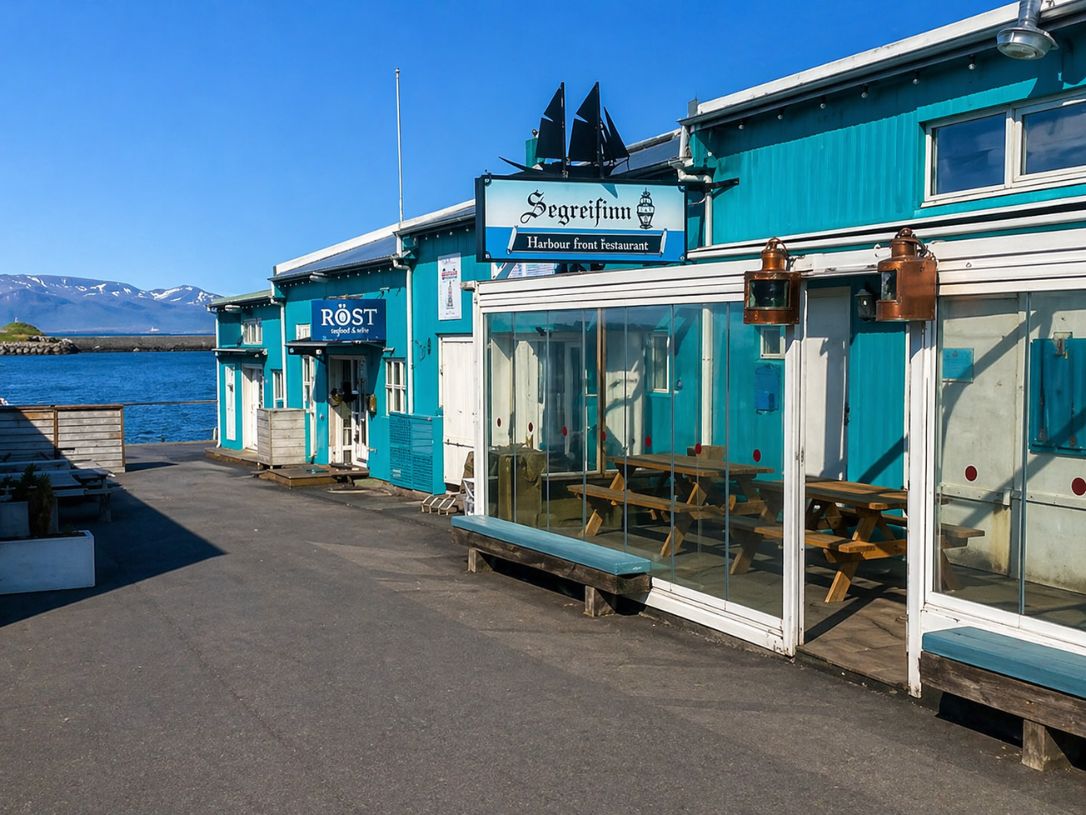 Summer restaurant picks in Reykjavik tilt toward places with outdoor terrace access, seasonal menus that change with what’s available, and the energy that summer crowds bring to a room. Skál at Hlemmur (relocated to a permanent venue) is the summer dinner destination for modern Icelandic cooking with natural wine. Grillmarkaðurinn serves the best grilled Icelandic lamb in the city. For the summer outdoor circuit: Grandi Mathöll has tables outside facing the harbour. Sægreifinn is best visited on a summer afternoon from the harbour-side queue. And Dill, for those who book far ahead, produces its most ambitious menu from the summer’s peak ingredient availability.
| Skál | Industry favourite, modern Icelandic, lively atmosphere, natural wine | Scallop crudo, seasonal small plates, whatever the kitchen says is in today | Yes, 2-3 weeks ahead for weekends |
| Grillmarkaðurinn | Upscale Icelandic grill, dramatic lava-stone interior, best lamb in the city | Grilled langoustine tails, summer lamb | Yes, book ahead for evenings |
| Dill | Iceland’s only Michelin star, summer tasting menu at its peak | Full tasting menu – changes weekly based on what’s available | Yes, 6-8 weeks ahead for June/July |
| Sægreifinn | Harbour shack, summer queue is part of the experience | Langoustine soup, grilled fish skewer | No reservations – arrive by 11:30am |
| Grandi Mathöll | Outdoor tables in summer; excellent casual variety | Fish and chips, any Asian stall, local beer outside | No, walk in; go early for outdoor tables |
| Messinn | Fresh catch of the day, cast-iron skillet service, summer lunch institution | Catch of the day – whatever the harbour brought in that morning | No reservations – queue from 11:30am opening |
Prices verified April 2025. Summer bookings for fine dining should be made four to six weeks ahead.
Skál deserves special mention for summer evenings. After relocating from the Hlemmur food hall to a permanent downtown venue, it became the closest thing Reykjavik has to a chef’s hangout – the place where people who work in the food industry spend their nights off. The seasonal menu is modern Icelandic without being precious about it: raw scallops with red currant granita, salt-baked beets with house mascarpone, whatever the foragers brought in. The natural wine list is one of the best in the city. On a summer evening when it’s still light at 11pm and the room is loud and happy, this is exactly the right place to be.
What Is the Best Summer Food Itinerary for Reykjavik?
Check the specific departure and inclusions before planning your day. Menus and remaining places can change. Ask the operator to confirm allergies, dietary requirements and accessibility before paying.
Start at Brauð and Co on Frakkastígur before 8am. The cinnamon rolls are baked continuously from opening and the summer morning, with the sun already well up at 6am, gives the walk down to the waterfront afterward a quality that doesn’t require any weather to be exceptional – just light and quiet streets. Walk the harbour circuit from Harpa westward. The Sun Voyager sculpture, Sægreifinn’s green shack, the Grandi warehouses along the water. Buy a pylsur at any harbour-adjacent stand. This is a twenty-minute walk and a five-minute breakfast combined. It is the best free thing you can do in Reykjavik in summer.
The food tour runs best from 1pm in summer – you arrive genuinely hungry after a light morning, the venues are operating at full momentum, and the three-hour circuit ends at around 4pm leaving the entire long Reykjavik evening ahead. Summer tours include the full range of tastings: Arctic char, langoustine soup, lamb in multiple preparations, rye bread ice cream, the fermented shark if you’re game, and whatever seasonal elements the guide has added for the current menu. The group energy in summer is different from winter – livelier, more first-timers, more people who have just arrived in the city and are experiencing it for the first time with a guide who knows it well.
Evening: The outdoor tables at Grandi Mathöll face the harbour and catch the evening light in a way that makes a casual dinner there feel more expensive than it is. The Coocoo’s Nest nearby does a different menu each evening and is worth the walk into the Grandi district for a summer Tuesday when the menu is whatever they decided to cook. For a later dinner – 9pm, still full light, proper restaurant rather than food hall – Skál or the Mat Bar on Hverfisgata for two courses, a glass of natural wine, and the specific pleasure of eating well in a city where it’s still completely light at 11pm and nobody thinks anything of it.
Wondering how to balance guided food experiences with independent meals without doubling up or missing key dishes? This Reykjavik food tours itinerary guide covers the planning details most visitors only wish they’d sorted earlier.
What Are the Best Outdoor Eating Experiences in Reykjavik in Summer?
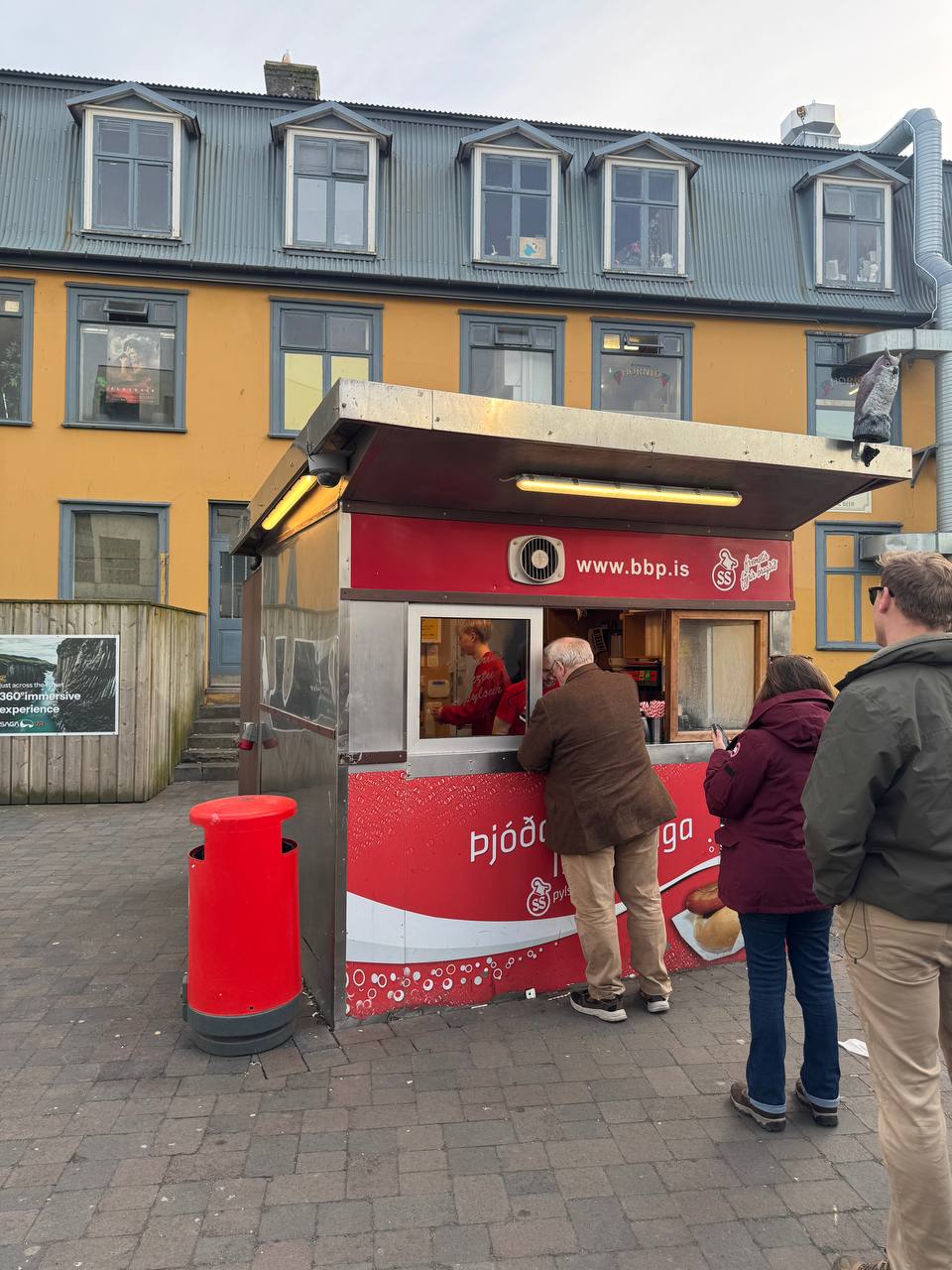 The five outdoor eating experiences that are specific to summer in Reykjavik are: pylsur from the harbour stands eaten while walking the waterfront, Valdís gelato at the old harbour with a view of the fishing boats, the outdoor tables at Grandi Mathöll when the weather holds, eating a fresh fish skewer outside Sægreifinn while watching harbour activity, and the ísbíltúr – the Icelandic family tradition of driving to an ice cream shop, which in summer takes on a different quality when the light makes 9pm feel like afternoon.
The pylsur is the baseline outdoor summer experience. Bæjarins Beztu Pylsur by the harbour has been serving the same recipe since 1937, and the combination of the lamb-pork-beef sausage, the sweet mustard, the crispy onions, and the remoulade is as good eaten while standing outside in summer light as it is at any other time or place. Order “eina með öllu” – one with everything. The price is around 820 ISK. The queue moves fast. The experience is complete.
Valdís at Grandagarður 21 runs on a take-a-number system that manages the summer queue efficiently. The gelato changes daily and is made in-house with an emphasis on unusual flavour combinations: black pepper, pear with licorice dust, salted caramel and nut, seasonal berry flavours when August arrives. The location at the old harbour means you eat your ice cream with a direct view of fishing boats, the Harpa concert hall’s glass facade catching the evening light, and whatever is happening on the waterfront. Ísbúð Vesturbæjar in the West End, older and more local-facing, serves the “old school” milky vanilla soft serve that Icelanders grew up on and queues for regardless of weather.
The ísbíltúr deserves its own explanation. The word translates roughly to “ice cream road trip.” It’s a specifically Icelandic cultural activity: driving to an ice cream shop with deliberate detours to extend the outing, arriving, choosing ice cream with full attention to toppings and flavour, eating it in or near the car, driving home. It exists because Icelanders love ice cream at all times and in all weather – there are more ice cream parlours in Reykjavik than there are public hot tubs, and in summer the ísbíltúr becomes a near-daily family ritual. The midnight sun means 10pm is a perfectly reasonable time for an ice cream drive with the kids. Visitors who participate in it, even once, understand something about Icelandic summer life that no food article fully captures.
Not sure which street food options in Reykjavik are genuinely Icelandic versus just fast food with a Nordic label slapped on? Check out our Icelandic street food to try in Reykjavik guide before you start snacking.
What Should You Know About Eating and Drinking During Iceland’s Midnight Sun?
 Three things change about eating and drinking during the midnight sun period (roughly May through August). Meal timing loses its conventional structure – locals eat dinner later than in winter, snack freely across the extended day, and the ice cream culture peaks. Appetite itself shifts: the perpetual light suppresses the melatonin-driven hunger signals that normally tell your body it’s time for a large evening meal, which is why grazing across many smaller stops feels more natural than three sit-down meals. And the social experience of eating outdoors or at a window table with full light at 11pm is something that has to be experienced to be fully understood.
The appetite effect of the midnight sun is physiological and underappreciated in food travel writing. Melatonin production drops significantly in continuous light. The body doesn’t receive the same hormonal signal that normally drives hunger for a large evening meal. Visitors who fight this and try to eat a full dinner at 6pm as their home routine dictates often find themselves not particularly hungry, eating a moderate meal, and then genuinely hungry again at 10pm when the restaurant is at its most alive and the kitchen at its best. Going with the light – eating lightly at midday, doing the food tour in early afternoon, eating a real dinner at 8 or 9pm – is the adjustment that makes summer eating in Reykjavik work properly.
The social dimension of eating in perpetual light is harder to explain but real. Reykjavik’s restaurant culture in summer runs later and louder than anywhere the same latitude should be able to sustain. Restaurants that close at 10pm in January stay open until midnight in July and are genuinely full. The terrace of any bar or restaurant with south-facing exposure catches golden evening light at 9, 10, 11pm in a way that makes every meal feel like a special occasion. Café Rosenberg by the old harbour has a particular quality in late evening summer light that becomes one of those specific sensory memories visitors carry home.
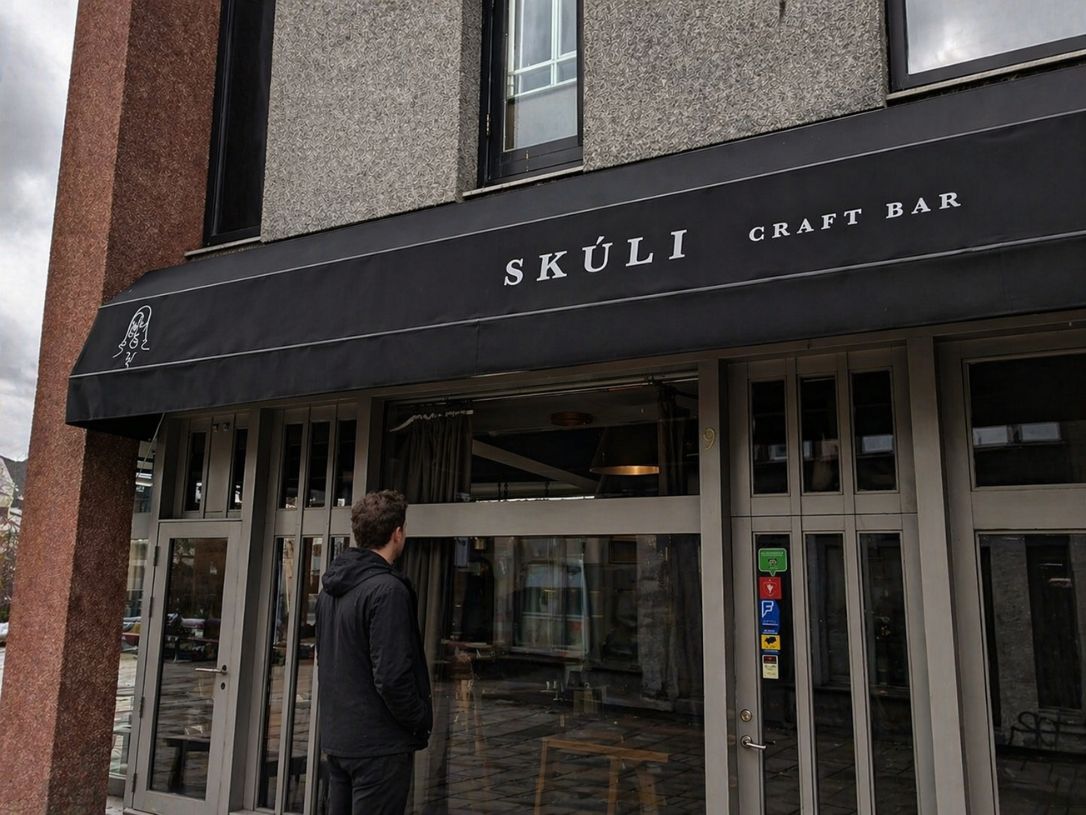
For drinks in the midnight sun: the craft beer scene peaks in summer both for visitor volume and for the experience of drinking a well-made Icelandic pint at Skúli Craft Bar while it’s still completely light outside at 11pm. Happy hour (most bars, roughly 3-6pm, beer at 800-1,000 ISK versus 1,200-1,500 ISK at regular prices) still applies and still worth planning around, but the summer evening window where it remains light until the small hours extends the drinking culture in ways that feel genuinely unusual to visitors from more southerly latitudes.
Iceland’s craft beer scene has grown faster than most visitors realize – our Reykjavik food tours craft beer guide breaks down the breweries, styles, and bars worth seeking out.
How Does a Food Tour Change in Summer Compared to Winter?
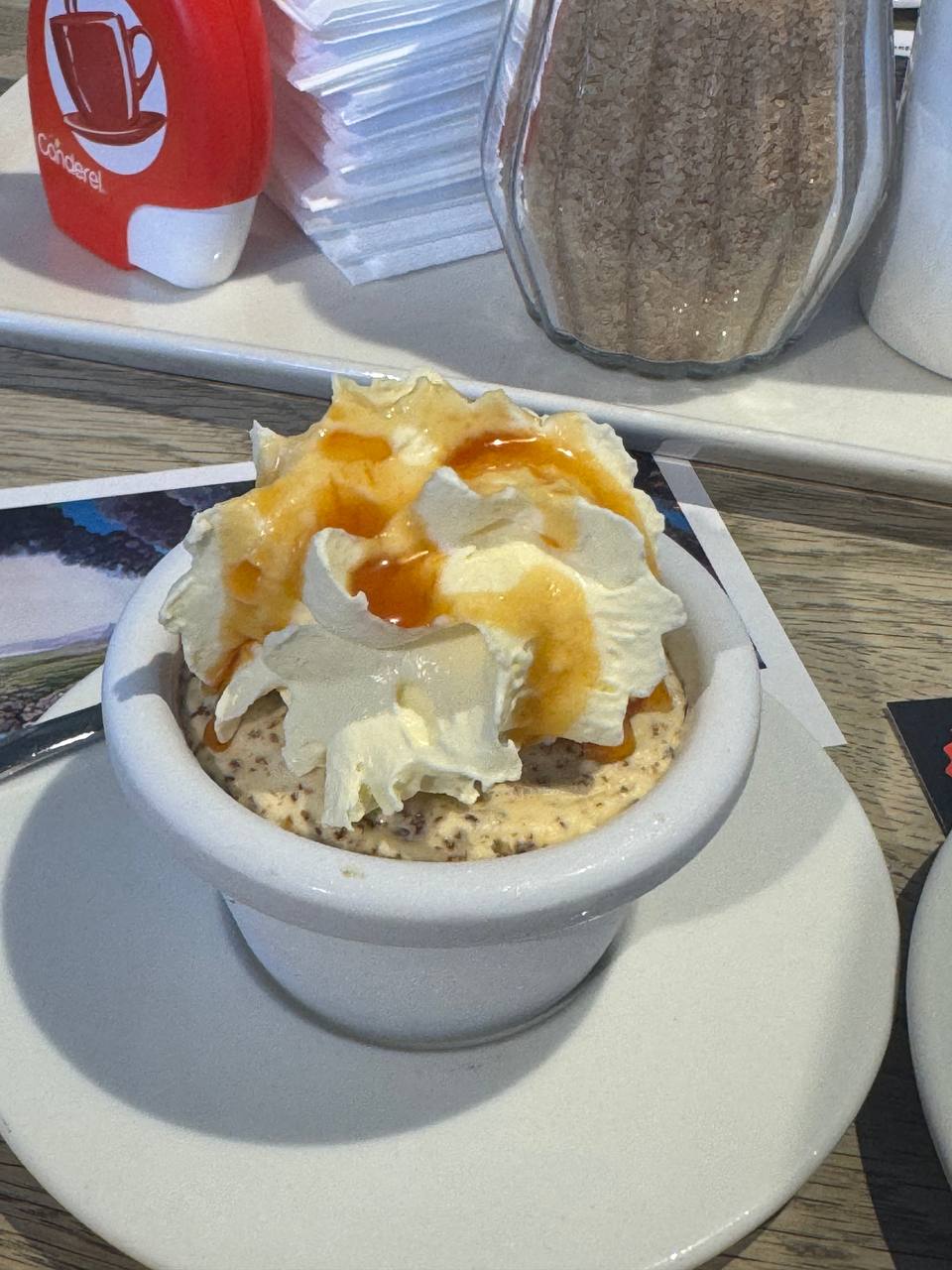 Summer food tours at Reykjavik Food Tours differ from winter in five meaningful ways: the walking sections are more pleasant between stops; venues include summer-specific stops unavailable in winter (outdoor markets, harbour-side experiences, seasonal tastings); the group energy is higher and more international; summer seasonal ingredients like rhubarb, fresh langoustine, and the first wild berries appear on tasting menus; and the tour ending in long daylight means the day feels far from over rather than giving way to dark and cold.
The walking sections between stops change the tour character more than any other single factor. Moving from Harpa to the old harbour in a June evening with the sun still well up, harbour light on the water, tourists and locals moving through the streets – this is a different sensory experience from the same walk in February with four hours of daylight used up and temperature at zero. The food itself doesn’t change. The context around it does. The guide’s stories land differently when you can see the landscape they describe rather than imagining it in darkness.
Summer tour menus include stops that don’t appear in winter. The harbour-side eating circuit – pylsur stands, the outdoor fish option at Sægreifinn or nearby – integrates naturally into summer tours because the outdoor element is viable. Seasonal ingredient appearances: rhubarb in late spring and June, the first blueberries in August if timing aligns. The skyr with summer berry topping rather than the plain winter skyr. These aren’t dramatic differences but they add up across 8-13 tastings to a distinctly summer menu rather than a generic one.
Check the specific departure and inclusions before planning your day. Menus and remaining places can change. Ask the operator to confirm allergies, dietary requirements and accessibility before paying.
We’ve guided 8,700+ travelers through Reykjavik’s food scene since 2014, summer and winter. The summer tour, specifically the June-July window when the light is extraordinary and the seasonal ingredients are at their peak, is the version that produces the most messages afterward from people telling us it was the best meal they had in Iceland. Four to six weeks ahead is the lead time this page already notes for June and July – dates for the Reykjavik Food & City Walk are the place to start.
Iceland’s winter food scene is more distinctive than most visitors expect – our winter food experience in Iceland guide breaks down what changes seasonally and what’s worth going out of your way for.
How To Judge The Experience For Yourself
Choose on the actual itinerary, duration and included tastings. A guided outing adds local explanation and an organized route; your own priorities and current quotes determine whether it is worth the cost.
Frequently Asked Questions
What foods are seasonal to Iceland in summer?
Rhubarb is the primary summer ingredient, appearing from May through July in restaurant desserts, cakes, jams, and cocktails. Wild blueberries and crowberries ripen from mid-August through September and appear on menus and in Bónus grocery stores in that window. Fresh lamb is at its best in summer when the animals are on highland herb pastures. Arctic char and langoustine are available year-round but at peak freshness from summer catches.
How does the midnight sun affect eating in Iceland?
The continuous summer daylight suppresses melatonin and shifts the conventional hunger schedule. Most visitors find that eating a light midday meal and a proper dinner at 8-9pm feels more natural than forcing the usual 6pm dinner in full daylight. Ice cream at 10 or 11pm in bright light is completely normal here – locals do it as a family activity called ísbíltúr. Late summer evenings at restaurant tables with full light until midnight are one of the most distinctive food experiences Iceland offers.
What is ísbíltúr?
The Icelandic word for “ice cream road trip.” It’s a cultural activity where families drive deliberately to a favourite ice cream shop, with scenic detours built in, then eat their ice cream in or near the car. It reflects Iceland’s deep love of ice cream in all weather – the country has more ice cream parlours per capita than public hot tubs, and in summer it becomes a near-daily evening ritual. The midnight sun means 10pm is a perfectly reasonable time to take the kids for an ice cream drive.
When should I book a food tour in summer?
Four to six weeks ahead for June and July is the practical minimum for the most popular time slots (1pm and 5pm departures). Independence Day, June 17, is the single busiest day in Reykjavik and tour slots fill completely. For May and August, two to three weeks ahead is usually sufficient. The safest approach: book the food tour before you finalise flights, not after you arrive.
What is the best outdoor eating experience in Reykjavik in summer?
The combination of a pylsur from the harbour stands eaten while walking the waterfront, followed by Valdís gelato at the old harbour with a view of the fishing boats, covers the two most specifically Icelandic outdoor summer food experiences in about 30 minutes and costs under 2,000 ISK total. For a longer outdoor experience, the tables outside Grandi Mathöll facing the harbour offer food hall variety with the best outdoor setting in the city.
Are Reykjavik restaurants busier in summer than winter?
Yes, significantly. June and July are peak season, and the best-known restaurants – Dill, Matur og Drykkur, Skál, Óx – are fully booked weeks ahead. Mid-range restaurants are busier at all times of day. The trade-off: the energy and atmosphere in summer Reykjavik restaurants is electric in a way that the quieter winter doesn’t replicate. Book ahead and the busier season works in your favour for atmosphere; don’t book ahead and it works against you for access.
Icelandic tour guide since 2014 · Founder, Reykjavik Food Tours
Sigurd has guided over 8,700 travelers through Reykjavik’s food scene since founding the agency.
Make Room For One Food Experience
Reykjavik Food And City Walk
Local food, city history, hot dogs, fish and Icelandic ice cream. Have a travel date in mind? Check the departure before arranging the rest of your food day.
Meet at Harpa main entrance; downtown endpoint varies by departure. Confirm dietary requirements and the final stop with the operator.
Choose a date to check the published Viator schedule. Final availability and price are confirmed on Viator.
Check Dates On ViatorWhich Walk Fits Your Summer Food Day?
Choose an experience and we will check duration and requirements against the verified product details. Allow travel time separately.
Compare Your Own Costs
Enter totals for the same group in one currency. Use your actual DIY meals, not full restaurant portions priced against small tastings.
Add both amounts to compare. Transfers and extra meals are separate.