Reykjavik Craft Beer Guide
Reykjavik’s craft beer scene is young, bold, and expensive - discover top breweries, best bars, prices, and how to save with happy hour.
Iceland banned beer for 74 years, until March 1, 1989 – a date still celebrated as Beer Day. The country went from zero craft breweries to more than 20 in under two decades. Today Reykjavik has a compact, walkable craft beer scene concentrated in the downtown 101 district. The key breweries to know are Borg Brugghús, Kaldi, Einstök, Malbygg, and RVK Brewing. The best bars for Icelandic craft are Skúli Craft Bar, Mikkeller and Friends, and Micro Bar. Beer is expensive – a pint runs 1,200-1,500 ISK at regular prices, 800-1,000 ISK at happy hour (roughly 3pm-6pm). What makes Icelandic craft beer distinctive is glacial water, local herbs like Arctic thyme, and a brewing culture with absolutely no history to be conservative about.
Use the guide to plan independent food stops, or add a guided experience. Explore three central bars with Icelandic beer or spirits and a guide. Explore The Guided Option
Affiliate links may earn us a commission at no extra cost to you. Restaurant prices in the original guide are dated estimates; confirm current menus.Quick Reference: Reykjavik Craft Beer at a Glance
| Beer legal since | March 1, 1989 (Beer Day, celebrated annually) |
| First craft brewery | Bruggsmiðjan Kaldi, founded 2006 in northern Iceland |
| Number of breweries | 20+ across Iceland as of 2025 |
| Pint at a bar (regular) | 1,200-1,500 ISK (~$9-$11 USD). Prices verified April 2025. |
| Happy hour pint | 800-1,000 ISK (~$6-$7 USD), typically 3pm–6pm |
| Bottle at Vínbúðin | 350-500 ISK per 330ml bottle |
| Where to buy retail | Vínbúðin only (state monopoly). Cannot buy in supermarkets. |
| Best craft bars | Skúli Craft Bar, Mikkeller and Friends, Micro Bar, Malbygg Taproom |
| Must-try local beers | Borg Úlfur IPA, Kaldi Blonde, Einstök White Ale, Malbygg Otur, Borg Snorri |
What Makes Reykjavik’s Craft Beer Scene Worth Exploring?
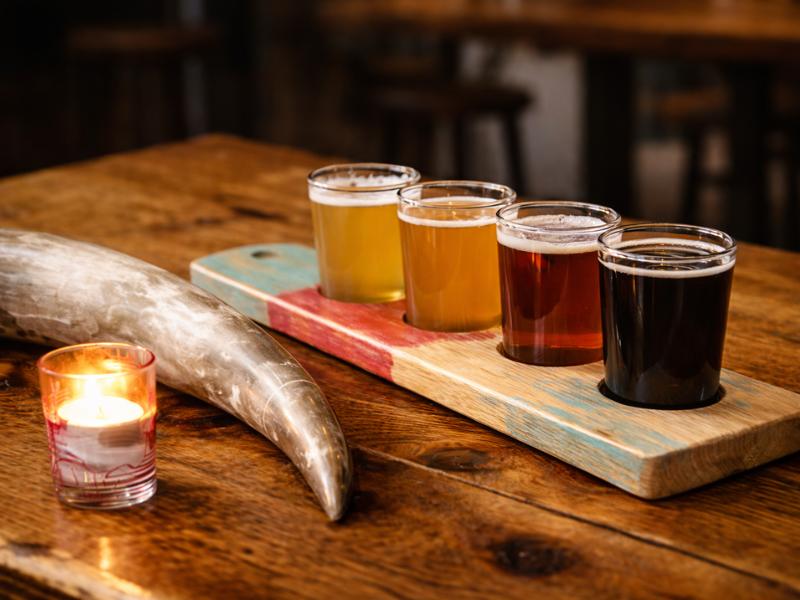
Reykjavik’s craft beer scene is worth exploring for three reasons that don’t apply anywhere else. First, it grew from nothing to serious quality in under 20 years, so there’s no conservatism, no established tradition to stay loyal to, no rulebook. Second, Icelandic brewers have access to some of the purest brewing water in the world, filtered through centuries of volcanic rock. Third, the prohibition story – beer was banned until 1989, while wine and spirits were legal – gives this scene a cultural depth that makes even a standard pint more interesting when you know what it represents.
Most craft beer cities have a long history that shapes what they do: Belgium’s abbey ales, Germany’s purity laws, Britain’s cask tradition. Reykjavik has none of that. Beer was illegal here until March 1, 1989. The country’s entire relationship with brewing spans less than four decades. Craft brewing specifically didn’t start until 2006. What that means in practice is a scene that imports ideas freely from everywhere – Czech pilsner techniques, Belgian yeast strains, American hop-forward IPAs, Nordic wild ales – without the constraint of having to respect a particular tradition. The results are eclectic, experimental, and often genuinely good.
The water gives Icelandic beer a starting advantage. Glacial runoff filtered through lava rock for centuries arrives at the brewery with exceptional purity and a mineral balance that brewers elsewhere pay significant money to approximate. Every craft brewery in Iceland starts from this baseline. The best of them build on it with local ingredients – Arctic thyme foraged from highland slopes, juniper berries, birch, skyr, even sheep dung-smoked malts in Borg’s most ambitious imperial stouts. The resulting beers have a character that’s genuinely Icelandic rather than Icelandic-branded.
The scene is also compact. The entire walkable craft beer circuit in central Reykjavik covers about 2.5 km. You can hit three or four of the best bars in a single evening without a taxi, without planning ahead beyond knowing which direction to start walking. For a visitor with one evening focused on beer, that’s an unusual gift.
We’ve put together a full comparison in our Reykjavik food tour vs DIY eating guide so you know exactly which approach delivers more for your time, money, and appetite.
What Are the Best Craft Beer Bars in Reykjavik?
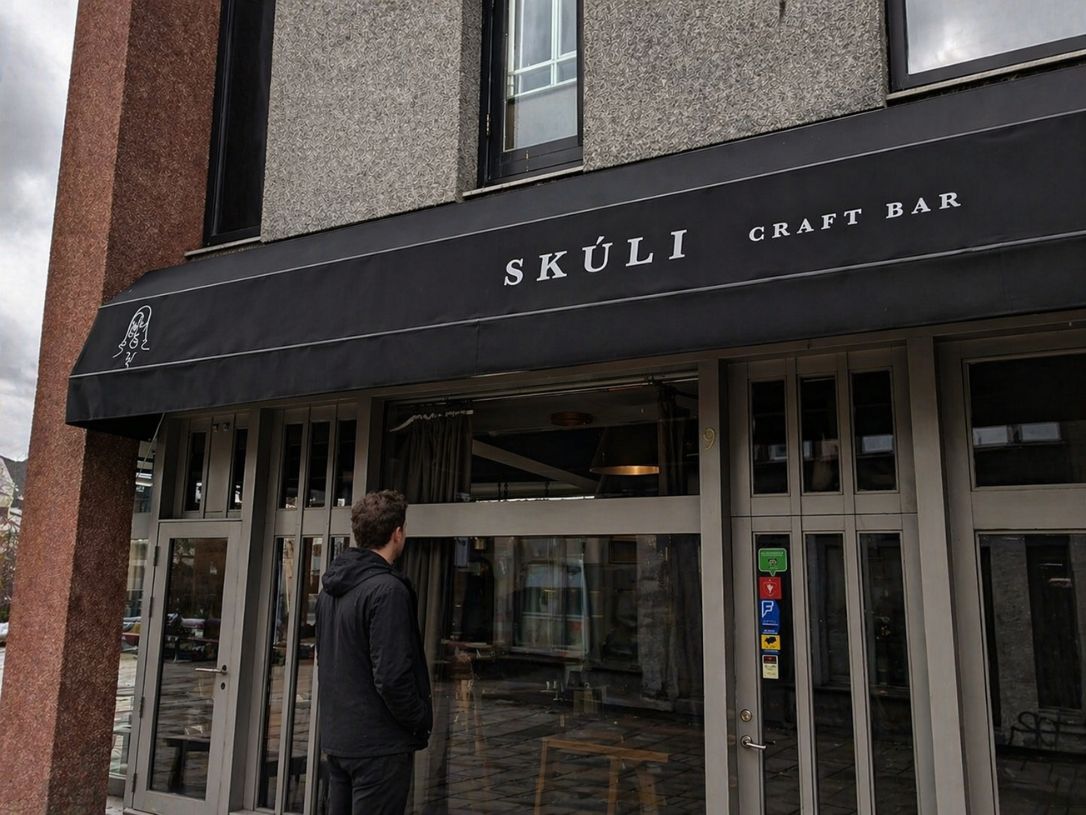 The five bars that consistently deliver the best Icelandic craft beer experience in Reykjavik are Skúli Craft Bar for range and local focus, Mikkeller and Friends at Hverfisgata 12 for rotating international and Icelandic taps in an excellent space, Micro Bar for depth of selection and knowledgeable staff, Malbygg Taproom for a brewery-direct experience, and Bryggjan Brugghús at the old harbour for the combination of house-brewed beer and food.
| Skúli Craft Bar | Cosy, central, 14 rotating taps, tasting flights available | First stop; best overall Icelandic tap selection | Þingholtstræti 12, near Austurvöllur |
| Mikkeller and Friends | Part of Danish Mikkeller global network; buzzing atmosphere | Rotating international and Icelandic taps; collaborations | Hverfisgata 12 |
| Micro Bar | Small basement bar, 14 taps plus large bottle selection | Depth of selection; tasting flights; knowledgeable staff | Austurstræti 6 |
| Malbygg Taproom | Brewery taproom, Thursday-Saturday only | Freshest pours from one of Iceland’s best craft breweries | Slightly outside downtown; worth the detour |
| Bryggjan Brugghús | Brewpub at old harbour; house-brewed beer plus food | Beer and food together; harbour setting | Grandagarður 8, old harbour area |
| Ölstofa Kormáks og Skjaldar | Unpretentious local bar; good Borg selection | Local atmosphere without tourist pricing | Vegamótastígur 4 |
Prices verified April 2025. Opening hours change seasonally – verify before visiting.
Skúli Craft Bar is the sensible first stop for anyone new to the Reykjavik beer scene. The tap list runs heavily Icelandic, changes regularly, and includes smaller breweries you won’t find at every other bar. The staff are genuinely knowledgeable and will suggest a tasting flight if you’re not sure where to start. Happy hour pricing makes it the most cost-effective entry point in the city. It’s also small enough that you can have a proper conversation at the bar, which in an expensive drinking city matters.
Mikkeller and Friends at Hverfisgata 12, directly above one of Reykjavik’s better restaurants, operates on the Danish Mikkeller model: rotating tap list that mixes the parent brewery’s own beers with carefully chosen collaborations and guests. The Icelandic representation is strong, and the space is genuinely good – one of those bars where the combination of lighting, music, and crowd makes the beer taste better than it would anywhere else. If you only have one evening and want a bar rather than a crawl, this works well as a single destination.
Micro Bar at Austurstræti 6 is the specialist’s choice. Smaller, less atmospheric than Skúli, but with one of the deepest selections of bottled Icelandic craft beer in the city alongside its 14 taps. The owner also founded Gæðingur Brewery, Iceland’s fourth craft brewery, which means the curation reflects genuine industry knowledge rather than marketing. For a visitor who wants to work methodically through what Icelandic brewing currently produces, Micro Bar is where to spend an afternoon.
A well-planned food itinerary in Reykjavik looks very different from just booking a tour and winging the rest – our Reykjavik food tours itinerary guide breaks down how to structure the whole thing properly.
Which Icelandic Craft Breweries Should You Know About?
The five breweries that define Icelandic craft beer are: Borg Brugghús (Reykjavik, most experimental and award-winning), Bruggsmiðjan Kaldi (northern Iceland, first craft brewery, German-influenced pilsners), Einstök (Akureyri, best international presence), Malbygg (Reykjavik, hoppy and modern), and RVK Brewing Company (Reykjavik, accessible and widely distributed in the city’s bars). Between them they cover the full range of what Icelandic craft currently does.
Borg Brugghús is the name most beer travelers come to Iceland specifically for. Founded in 2010, it’s the most ambitious craft brewery in the country, using Icelandic ingredients across a numbered series that includes everyday drinking beers and extreme special releases. Snorri Nr. 10, made with local unmalted barley and Arctic thyme, is the house entry-level brew named after Snorri Sturluson, the medieval Icelandic chieftain. Úlfur (Wolf) is the west coast American-style IPA that put Borg on the international map. At the experimental end: Surtur, an imperial stout brewed with sheep dung-smoked malts aged in whiskey barrels, is one of the more genuinely unusual things a brewery anywhere has produced. Skyrjarmur, a sour ale made with traditional Icelandic skyr and blueberries, deploys a thousand-year-old dairy product in the service of modern fermentation. Borg beers are available at most craft bars in the city and at Vínbúðin stores.
Bruggsmiðjan Kaldi was founded in 2006 by a former fisherman and his wife, making it Iceland’s first craft brewery. Located in Árskógssandur in the north, it follows German purity laws: water, malted barley, hops, and yeast only. The Kaldi Blonde is one of the cleanest, most drinkable pilsners produced anywhere in the Nordic countries and consistently tops lists of best pairings with Icelandic seafood. The brewery also operates a beer spa in Dalvík where visitors bathe in warm beer mixed with hops and live yeast – more pleasant than it sounds, and the skin effects of the hop compounds are documented rather than invented.
Einstök, based in Akureyri about 60 miles south of the Arctic Circle, has done more than any other Icelandic brewery to establish the country’s beer internationally. Its White Ale, brewed with coriander and orange peel, is available in markets across Europe and North America. In Iceland, the full range shows what the Arctic Circle brewing environment produces when the brewer has genuine ambition. The Icelandic Toasted Porter and Arctic Pale Ale are both worth finding at a bar that has them on tap.
Malbygg, founded in 2017, is the modern generation’s answer to what Icelandic craft beer should be: hop-forward, technically precise, willing to experiment with sours and wild ales without losing sight of drinkability. Otur and Kisi are the flagship double IPA and pale ale respectively. The taproom runs Thursday through Saturday only. If you’re a beer traveler who follows craft scenes internationally, this is the brewery whose beers will feel most familiar in style while remaining distinctively Icelandic in execution.
What Icelandic Beers Should You Try First?
The six most useful entry points into Icelandic craft beer are Kaldi Blonde (clean pilsner, perfect baseline), Borg Úlfur IPA (West Coast IPA, widely available, consistently excellent), Einstök White Ale (internationally recognised, good introduction to the brewery), Borg Snorri (Arctic thyme saison, the most distinctively Icelandic flavour in a drinkable format), Malbygg Kisi (modern pale ale, shows what the newer generation is doing), and whichever Borg Surtur variant the bar happens to have (the barrel-aged imperial stout series at its best is extraordinary).
Start with Kaldi Blonde if you want to calibrate. The German pilsner tradition applied to Icelandic glacial water produces something that tastes more mineral and cleaner than most pilsners you’ve had before. It’s not complicated. It just shows what the water does, which is the most useful single data point in understanding why Icelandic beer tastes different.
Move to Borg Úlfur for the IPA. American West Coast style, dry-hopped with Citra and Equinox, with a bitterness that’s assertive but not aggressive. It’s widely distributed, so you’ll find it almost anywhere in the city. It’s also been the beer that’s made international craft beer drinkers take Icelandic brewing seriously. The fact that Borg produces something this good alongside their more experimental numbered releases speaks to a brewery that can do multiple things well at the same time.
Borg Snorri is where the specifically Icelandic character becomes most apparent. It’s a Nordic saison brewed with local unmalted barley and organic Arctic thyme. The thyme note is subtle and herbal – not a novelty, not a shout, just a presence that you recognise as distinctly of this place. If you want to drink something genuinely Icelandic rather than just a high-quality version of a universal style, Snorri is the clearest expression of that ambition in everyday beer form.
For the adventurous, any Surtur variant from Borg is worth the investment. The base is a sheep dung-smoked imperial stout. From there, versions have been aged in rye whiskey barrels, cognac casks, chartreuse casks, freeze-distilled and barrel-aged. These are not subtle beers. They are emphatic, expensive (relative to regular craft), and unlike almost anything produced outside Iceland. They sell out. If you see one at a bar or at Vínbúðin, order or buy it.
Worried about blowing your entire Iceland budget on meals before you’ve seen anything? Here’s our is food expensive in Reykjavik tours guide so you know what to realistically budget for.
What Is the History of Beer in Iceland?
Iceland banned all alcohol in 1915, following a 1908 referendum where 60% of voters approved prohibition. Wine became legal again in 1922 (after Spain threatened to stop buying Icelandic cod unless Iceland bought Spanish wine). Spirits became legal in 1935. But beer remained banned for another 54 years, specifically because temperance advocates argued beer’s low price made it more dangerous to working-class morality than spirits. Beer was finally legalised on March 1, 1989, after parliamentary debates that attracted television audiences across the country. The first craft brewery opened in 2006. The whole modern scene is less than 20 years old.
The beer ban is one of the stranger stories in modern European history, not because prohibition happened – multiple countries did it, but because of how selectively it was dismantled. All alcohol was banned in 1915. Fine. Then wine became legal in 1922, because Spain threatened trade sanctions over salted cod. Spirits became legal in 1935 after a national referendum. Both of these are strong alcoholic beverages. Beer, which is typically 4-5%, remained banned for another 54 years. The stated logic: beer was cheaper than spirits, therefore more accessible to the working class, therefore more dangerous to public morality. Icelandic parliament shot down more than 20 bills to legalise beer between 1935 and 1988. The temperance lobby was that effective.
During the ban, Icelanders found a workaround that became notorious. Low-alcohol “near-beer” (up to 2.25% ABV) was legal. Adding a shot of Brennivín – the caraway schnapps that’s Iceland’s national spirit – to a glass of near-beer produced something approximating full-strength beer, with the added note of caraway and a flavour that historian Unnar Ingvarsson memorably described as “interesting and totally disgusting.” The anti-prohibitionists eventually used this as an argument for legalisation: if people are just adding schnapps to watery beer to get around the law, the law is not achieving anything.
The parliamentary debate in 1988 was televised live and drew audiences across the country. When the ban was finally lifted, March 1, 1989 became Beer Day (Bjórdagurinn), still celebrated annually. In the years immediately after legalisation, Icelanders shifted consumption from spirits (which had been 77% of all alcohol sales) to beer. By 2014, beer represented 62% of alcohol consumed in Iceland. The post-ban diversification onto beer coincided with reduced per capita spirits consumption, which the original temperance advocates had predicted would happen in reverse. They were wrong about the outcome they were trying to prevent.
The first craft brewery, Kaldi, opened in 2006 – only 17 years after beer was legal at all. By 2015 there were seven craft breweries. By 2025, Iceland has more than 20. The growth rate per capita is among the highest in the Nordic region. For a country that couldn’t legally buy a pint until the late 1980s, the speed of that development is remarkable.
What Should You Know Before Drinking Craft Beer in Reykjavik?
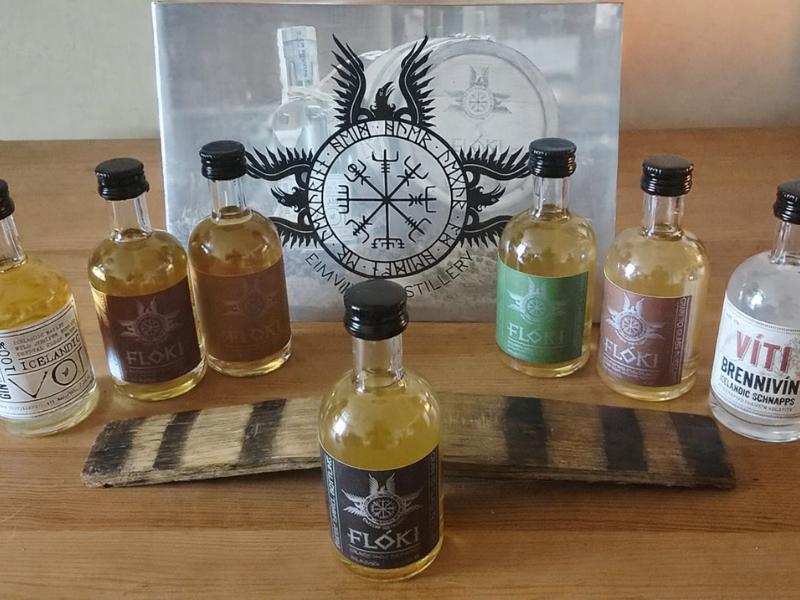
Four things that matter: alcohol is only sold retail through the state-run Vínbúðin stores (not supermarkets), happy hour is the mechanism that makes beer affordable, pints are served in smaller measures than most visitors expect, and Beer Day on March 1 is a genuine annual celebration worth experiencing if your trip overlaps with it.
The Vínbúðin monopoly is the single most important structural fact about drinking in Iceland. There are no supermarket beer aisles. You cannot buy a six-pack at Bónus. If you want beer to drink at your accommodation, you need to find a Vínbúðin store, which has limited opening hours (typically closing by 6pm on weekdays). The cheapest route into Icelandic beer is the airport duty-free at Keflavik on arrival: up to six litres per adult are permitted, and prices are significantly lower than bar or Vínbúðin pricing. If you plan to drink during the trip, buying at duty-free is the most economical way to do it.
Happy hour structure matters because regular prices are genuinely high. A pint in a bar at regular price runs 1,200-1,500 ISK. Happy hour, which most bars run between roughly 3pm and 6pm, drops that to 800-1,000 ISK. The Appy Hour app shows current deals across the city in real time. Planning two or three drinks during that window and then switching to water or a single late pint is how people who live here manage the cost without giving up the experience.
Pours in Iceland tend to run smaller than in the UK or the US. A standard bar pour is often 0.3 or 0.4 litres rather than 0.5 litres (a UK pint). This is partly a response to the price: a smaller pour at 1,200 ISK signals that the price per litre is very high. Tasting flights at Micro Bar and Skúli allow you to try more styles for comparable total cost and are worth choosing over single pints when you want range.
Beer Day on March 1 is legitimately worth attending if your trip overlaps. Bars across the city run special events, limited releases, and discounted hours. Several Reykjavik craft breweries release their annual special beers for the occasion. The atmosphere is unlike any other day of the year – a city that remembers, however distantly, that it spent 74 years without legal beer and takes a moment each year to appreciate that this is no longer the case.
Wondering which budget-friendly spots are genuinely good and which ones are just cheap for a reason? This Reykjavik food tours cheap eats guide covers the honest picks most Iceland travel blogs overlook.
Where Can You Do a Craft Beer and Food Pairing in Reykjavik?
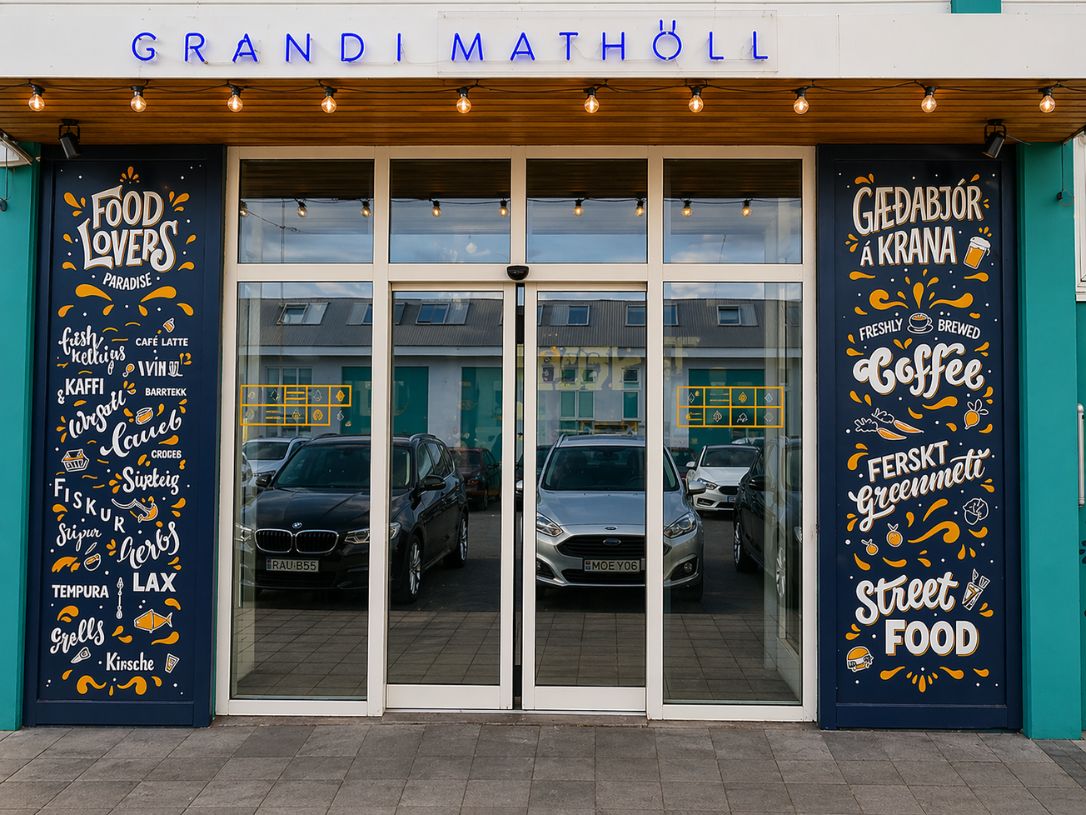 The best craft beer and food pairings in Reykjavik happen at Bryggjan Brugghús at the old harbour (house-brewed beer alongside proper food), Bastard Brew and Food on Laugavegur (craft beer with creative burgers and casual plates), and the food halls Grandi Mathöll and Hlemmur Mathöll where individual food vendors sit alongside bars with rotating taps. The general principle for pairing is simple: Icelandic seafood with clean pilsners or pale ales, smoked lamb with darker maltier beers, and anything from Borg’s experimental range with whatever Icelandic cheese or fermented dish you’re brave enough to try.
Bryggjan Brugghús at Grandagarður 8 brews its own beer on-site in the old harbour area and serves a food menu alongside it. The location – a former boat house near the fishing harbour – sets a tone that suits Icelandic ingredients: the kind of robust, honest cooking that benefits from the contrast of a well-made lager or pale ale. Ask what’s on tap from the house range and pair accordingly. For the adventurous, their stout with a portion of lamb is one of the better accidental discoveries in Reykjavik’s casual dining.
Bastard Brew and Food on Laugavegur combines a strong craft tap list with a food menu built around creative burgers and plates. The atmosphere leans louder and more social than Skúli or Micro Bar. Happy hour here is worth knowing about. The combination of a good craft IPA and their signature burger works in the direct, uncomplicated way that all the best burger-and-IPA combinations do: the bitterness cuts the fat, the malt notes elevate the beef, the experience is greater than the sum of its parts.
The broader pairing logic for Icelandic beer is grounded in the food culture. The same principles that make Kaldi Blonde excellent with langoustine soup (clean water, light carbonation, no competing flavours) make any crisp pilsner or pale ale the right call for Icelandic seafood. The smokiness in hangikjöt finds its counterpart in a smoked malt beer like Borg’s dung-smoked Surtur or a standard porter. Skyr-soured ales like Borg’s Skyrjarmur work with the slightly sweet, dairy-heavy dessert tradition – rúgbrauð ice cream, skyr cake – in a way that’s more deliberate than most people realise when they’re ordering.
We’ve been guiding 8,700+ travelers through Reykjavik’s food and drink scene since 2014. Come eat – and drink – with us.
Want to eat your way through Iceland’s capital with someone who actually knows where to go? Here’s our best Reykjavik food tours guide so you book the right experience.
How To Judge The Experience For Yourself
Choose on the actual itinerary, duration and included tastings. A guided outing adds local explanation and an organized route; your own priorities and current quotes determine whether it is worth the cost.
Frequently Asked Questions
When was beer legalised in Iceland?
March 1, 1989, after a parliamentary vote in 1988. Beer had been banned since 1915, even as wine became legal again in 1922 and spirits in 1935. The specific ban on beer was maintained by the temperance lobby, who argued its low price made it more accessible to working-class drinkers than spirits. March 1 is now celebrated as Beer Day (Bjórdagurinn) across Iceland annually.
Where can you buy beer in Iceland?
At bars and restaurants, and at Vínbúðin, the state-run off-licence monopoly. Beer cannot be purchased in supermarkets. Vínbúðin hours are limited (typically closing by 6pm on weekdays). The cheapest way to buy Icelandic beer is at Keflavik airport duty-free on arrival – up to six litres per adult are permitted, at significantly lower prices than Vínbúðin or bar pricing.
What is the best Icelandic beer to try?
For a first introduction: Kaldi Blonde (clean pilsner, shows what the water does) and Borg Úlfur IPA (West Coast American-style, widely available, consistently excellent). For something distinctively Icelandic: Borg Snorri, made with local barley and Arctic thyme. For the most ambitious experience: any Borg Surtur barrel-aged imperial stout variant when available.
How much does craft beer cost in Reykjavik?
A pint at regular bar prices runs 1,200-1,500 ISK (~$9-$11 USD). Happy hour pricing, available at most bars roughly 3pm-6pm, drops that to 800-1,000 ISK. A 330ml bottle at Vínbúðin costs 350-500 ISK. These are among the highest beer prices in Europe, reflecting Iceland’s import-dependent economy, high wages, and alcohol tax structure. All prices verified April 2025.
What is Beer Day in Iceland?
March 1, the anniversary of the date beer became legal in Iceland in 1989. It’s celebrated nationally with bar events, special releases from craft breweries, and discounted pricing at many venues. Several breweries release their annual limited beers specifically for Beer Day. If your trip to Iceland overlaps with March 1, it’s a genuine cultural moment rather than a commercial invention.
What makes Icelandic craft beer different from other Nordic beers?
Three things. First, the water: glacial runoff filtered through centuries of volcanic rock produces exceptionally pure, mineral-balanced brewing water that brewers elsewhere struggle to replicate. Second, the total lack of brewing history before 1989 means Icelandic craft brewers arrived with no tradition to preserve, giving them unusual creative freedom. Third, local ingredients – Arctic thyme, juniper, skyr, sheep dung-smoked malts that are specific to Iceland and create flavours found nowhere else in the brewing world.
Icelandic tour guide since 2014 · Founder, Reykjavik Food Tours
Sigurd has guided over 8,700 travelers through Reykjavik’s food scene since founding the agency.
Make Room For One Food Experience
Reykjavik Beer And Booze Walk
Explore three central bars with Icelandic beer or spirits and a guide. Have a travel date in mind? Check the departure before arranging the rest of your food day.
Ages 20+. Meet outside Hlöllabátar at Ingólfstorg. Food and hotel transfers excluded. Not recommended during pregnancy; shared route is not wheelchair accessible.
Choose a date to check the published Viator schedule. Final availability and price are confirmed on Viator.
Check Dates On ViatorCentral Bars Or A Brewery Visit?
Choose an experience and we will check duration and requirements against the verified product details. Allow travel time separately.
Compare Your Own Costs
Enter totals for the same group in one currency. Use your actual DIY meals, not full restaurant portions priced against small tastings.
Add both amounts to compare. Transfers and extra meals are separate.