Is Food Expensive in Reykjavik?
Is Reykjavik food expensive? Yes, but manageable. Learn real prices, why it costs more, and how to eat well for under 5,000 ISK per day.
Yes, food in Reykjavik is expensive by most international standards. A sit-down dinner main course runs 4,000-7,000 ISK (~$29-$50 USD). A beer at a bar costs 1,200-1,500 ISK (~$9-$11). The reasons are structural: Iceland is a remote island that imports most of its food, levies heavy agricultural tariffs, and has one of the highest wage floors in Europe. That said, smart choices cut costs significantly. Bakeries, lunch specials, food halls, and the right supermarket chain can keep a day’s food budget under 5,000 ISK without sacrificing quality. The foods Iceland produces locally – lamb, dairy, fish – are actually among the better-value items on most menus.
Use the guide to plan independent food stops, or add a guided experience. Local food, city history, hot dogs, fish and Icelandic ice cream. Explore The Guided Option
Affiliate links may earn us a commission at no extra cost to you. Restaurant prices in the original guide are dated estimates; confirm current menus.Quick Facts: Food Costs in Reykjavik
| Pylsur hot dog (one, with everything) | 820 | ~$6 |
| Skyr at a grocery store (pot) | 500-700 | ~$4-$5 |
| Soup + bread lunch special (café) | 1,800-2,500 | ~$13-$18 |
| Lamb soup at Café Loki | 4,750 | ~$34 |
| Fish of the day (casual restaurant) | 4,690-5,490 | ~$34-$40 |
| Lamb main course (mid-range) | 5,350-6,490 | ~$38-$47 |
| Fine dining main course | 7,000-10,490 | ~$50-$75 |
| Pint of beer (bar, regular price) | 1,200-1,500 | ~$9-$11 |
| Pint of beer (happy hour) | 800-1,000 | ~$6-$7 |
| 3-course dinner for two with beers | 20,000-21,800 | ~$145-$158 |
| Bakery pastry + coffee (breakfast) | 900-1,500 | ~$6-$11 |
All prices verified May 2025. USD conversions approximate based on current exchange rates.
Is Food Actually Expensive in Reykjavik Compared to Other Cities?
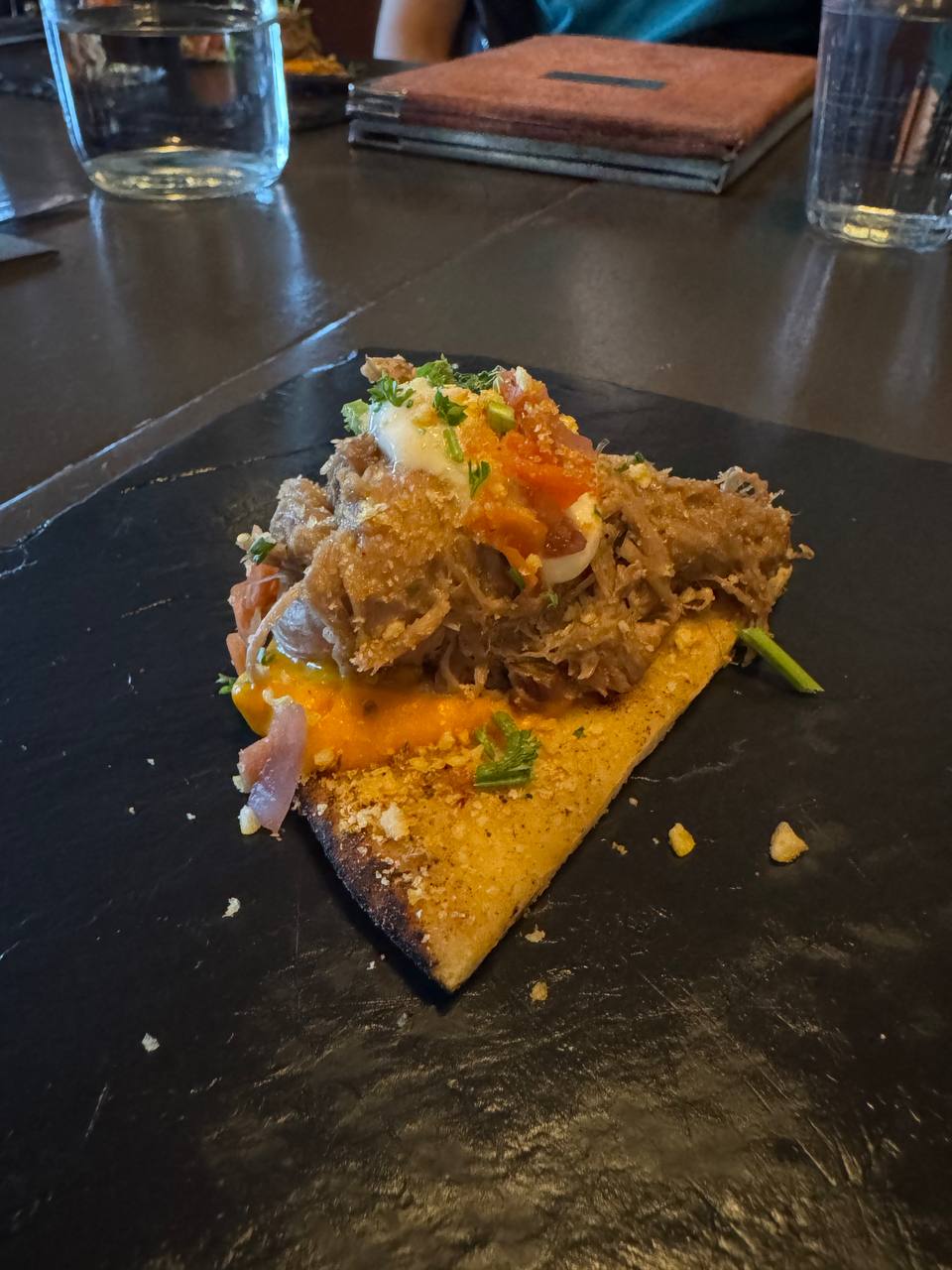 Yes, by most comparisons Reykjavik sits among Europe’s most expensive cities for food. It is pricier than London and Paris at the mid-range and above, roughly comparable to Oslo and Copenhagen for sit-down dining, and significantly more expensive than any Southern or Eastern European destination. Grocery prices run 30-50% higher than the Western European average. The gap is real. Understanding why it exists helps you eat around it.
The comparison that surprises most people is London. Reykjavik and London sit at similar overall cost-of-living levels, but in food specifically, Reykjavik tends to run higher for the same quality of meal. A mid-range dinner main that costs £18-£22 in London runs the equivalent of £25-£35 in Reykjavik. Oslo, widely understood to be expensive, is actually around 19-27% cheaper than Reykjavik across overall living costs. When Icelanders visit mainland Scandinavia they often remark on how affordable things feel. That tells you something.
The reasons are structural rather than arbitrary. Iceland is a remote island in the North Atlantic with a population of about 370,000 people. Almost everything eaten here that isn’t lamb, fish, or dairy arrived on a container ship. The government levies heavy protective tariffs on imported agricultural products to support domestic production, which can’t compete at scale with mainland European or North American suppliers. Wheat products carry particularly high tariffs. Add high wages across the service sector, driven by one of Europe’s strongest union environments, and every restaurant meal reflects labour costs that would be considered exceptional almost anywhere else.
One structural advantage that rarely gets mentioned: energy is cheap in Iceland. Geothermal and hydroelectric power keeps utility bills low, which has a modest downstream effect on operating costs. It doesn’t offset the food and labour premium, but it’s part of why Iceland’s overall cost of living, while high, hasn’t spiralled even further.
The practical upshot: if you arrive in Reykjavik treating it like a European city where you can eat three casual restaurant meals a day without financial stress, you’ll leave with sticker shock. If you treat it like the genuinely expensive destination it is and plan accordingly, you’ll eat very well.
What Does a Typical Meal Cost in Reykjavik?
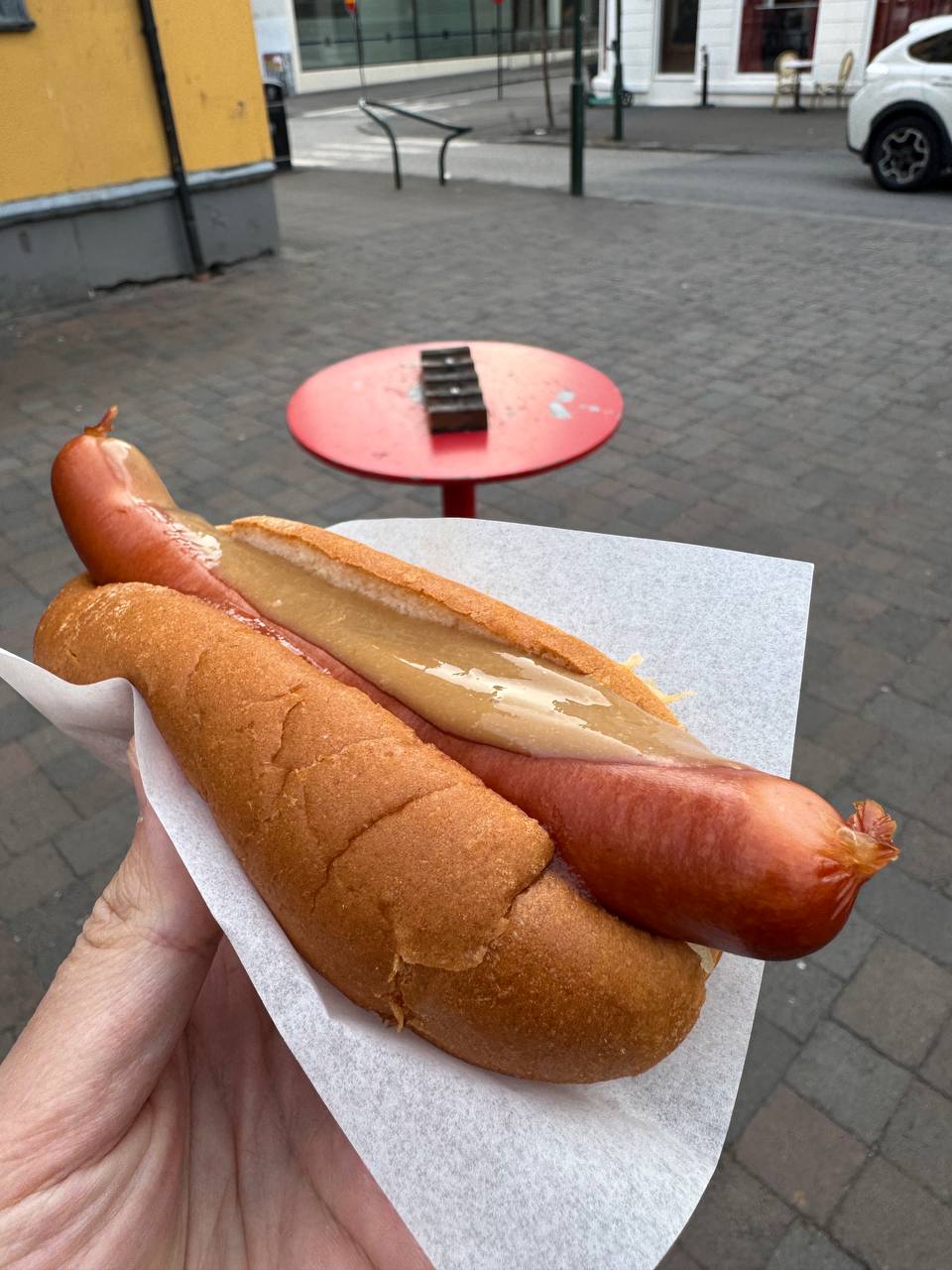 A hot dog costs 820 ISK. A sit-down lunch special runs 1,800-2,500 ISK. A casual dinner main lands at 4,000-7,000 ISK. Fine dining starts around 7,000 ISK per course and goes well above that. Alcohol doubles most bills. Those five numbers describe the full range of what you’ll encounter.
| Street food | Hot dog, pastry, food hall stop | 800-1,800 | $6-$13 |
| Budget lunch | Soup + bread special, bakery meal | 1,800-2,500 | $13-$18 |
| Casual sit-down | One main course, no drinks | 3,500-5,500 | $25-$40 |
| Mid-range dinner | Main + one beer or glass of wine | 6,000-9,000 | $43-$65 |
| Fine dining | Tasting menu, wine pairing | 15,000-25,000+ | $108-$180+ |
Prices verified May 2025. Based on current Reykjavik restaurant market rates.
Alcohol is worth treating as its own category because it warps the bill more than anything else. Iceland has a state-run off-licence monopoly called Vínbúðin, the only place in the country where you can buy alcohol outside a bar or restaurant. Import taxes and strict government regulation push prices significantly above what most visitors are used to. A pint at a bar runs 1,200-1,500 ISK at regular prices. The same pint during happy hour drops to 800-1,000 ISK. A glass of wine at dinner is 1,500-2,500 ISK. A cocktail is 2,300-2,600 ISK.
There is one genuinely free thing to drink in Reykjavik, and it’s excellent: tap water. Icelandic water comes from glacial springs and volcanic filtration systems, and it’s among the cleanest in the world. Bring a reusable bottle and use it constantly. Buying bottled water here is the kind of unnecessary expense that would make any local shake their head.
The meal that consistently surprises visitors with its value is the lunch special. Many restaurants that charge 5,000-7,000 ISK for a dinner main offer a soup-plus-bread or smaller version of the same dish for 1,800-2,500 ISK between roughly 11:30am and 2:30pm. Same kitchen. Same ingredients. About half the price. This is not a secret among people who live here. It’s the default way locals eat at places they genuinely like without paying dinner prices every time.
Want to eat well in Reykjavik without the eye-watering price tag that comes with most Iceland meals? Here’s our Reykjavik food tours cheap eats guide so you find the good stuff without the damage.
Where Do Locals Eat to Keep Costs Down?
 Locals use Bónus supermarket for groceries, bakeries for breakfast and light lunches, food halls for casual midday eating, and the lunch special window at better restaurants for anything more substantial. They avoid the 10-11 convenience store in the city centre, which is consistently overpriced. They drink at home before going out. These habits aren’t cutting corners – they’re just how people who live in an expensive city navigate it.
Bónus is identifiable by its pink pig logo and is the cheapest supermarket chain in Iceland. It’s also genuinely well-stocked for staples. Lamb, dairy, bread, skyr, harðfiskur (dried fish), canned fish, ready-made plokkfiskur (fish stew) – all the things that constitute actually eating Icelandic food are available at Bónus prices that are a fraction of restaurant equivalents. A pot of skyr costs 500-700 ISK at Bónus. The same product served with berries at a café costs three or four times that. Krónan is slightly more expensive but has a better produce section. Both are far cheaper than the 10-11 convenience store that’s visible and central downtown and easily catches visitors who don’t know better.
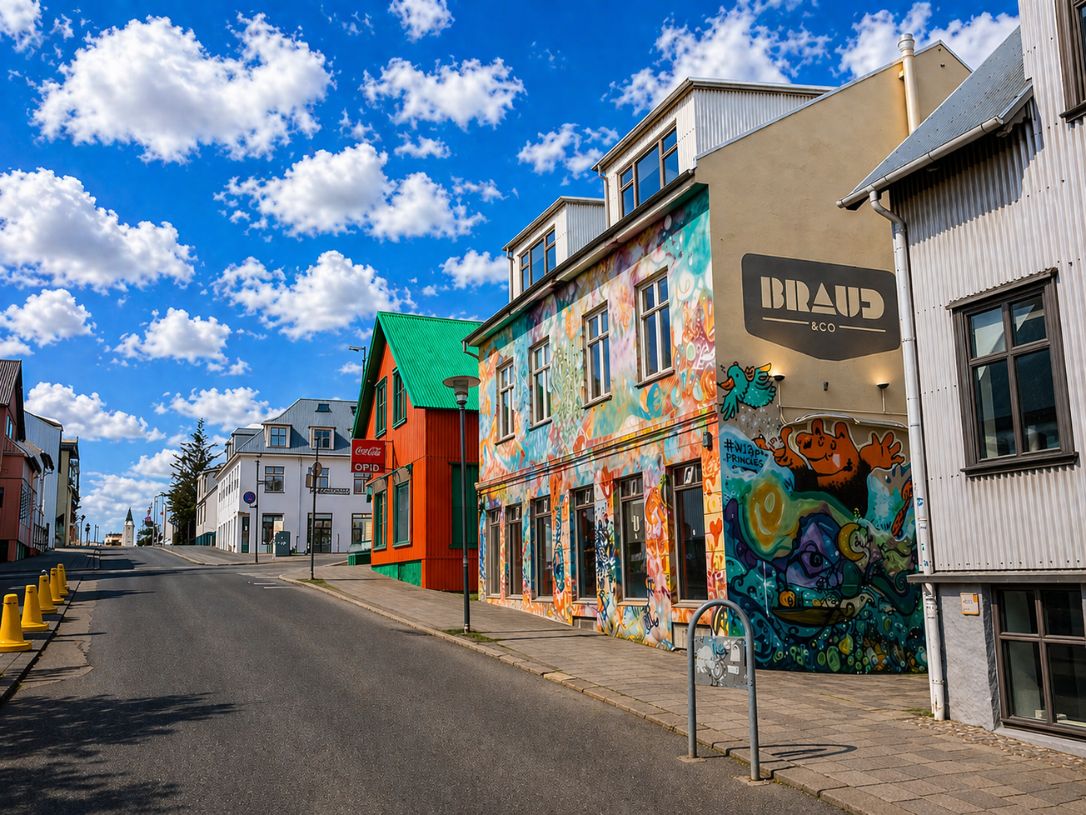
Bakeries occupy their own tier. Brauð and Co on Frakkastígur is the most talked-about, and with reason: its pastries are outstanding, its cinnamon rolls sell out before mid-morning, and the prices are reasonable for what the quality is. Sandholt on Laugavegur has been baking bread for over a hundred years and serves sandwiches, soups, and pastries at prices that feel fair for the city. A solid breakfast from either bakery, coffee included, costs 900-1,500 ISK. That same breakfast at a sit-down restaurant would run 2,000-3,500 ISK.
Icelandic Street Food on Laugavegur is one of the more useful spots for visitors specifically because it serves traditional Icelandic lamb soup and fish stew in homemade bread bowls with free refills. It occupies a tourist-adjacent location but the food is genuine and the unlimited refill policy makes it one of the better value meals in the central city. The free waffles with jam at the end are a touch that people remember.
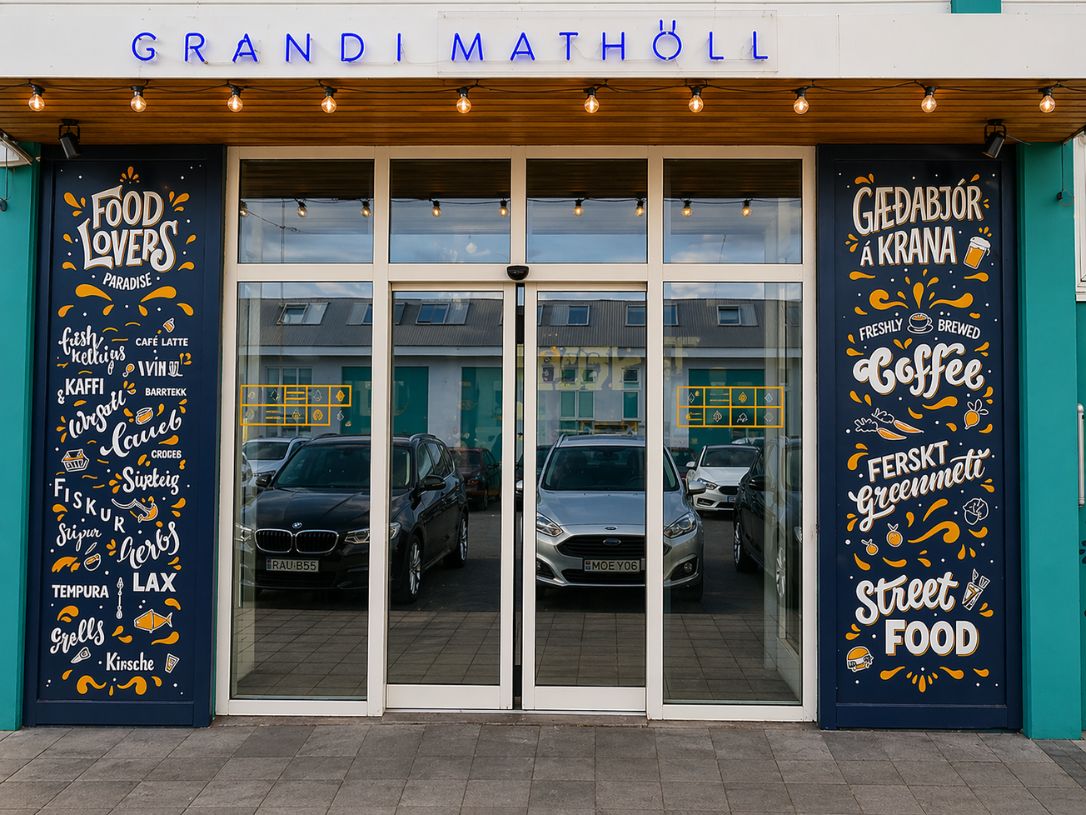
For casual evening eating without restaurant prices, Grandi Mathöll at the old harbour is the local’s choice. A renovated fish warehouse turned food hall with around ten vendors, it runs cheaper than most downtown restaurants and covers enough variety to assemble a proper meal from multiple stops. Go on a weekday evening for the best atmosphere.
Trying to figure out which local dishes are worth seeking out and which ones are purely for the tourist photos? Check out our what to eat in Reykjavik food tours guide before you start planning your meals.
What Are the Biggest Food Budget Mistakes Tourists Make in Reykjavik?
 Five patterns come up consistently: shopping at the wrong supermarket, buying bottled water, eating reactively instead of planning around lunch specials, ordering drinks at every restaurant stop, and booking tours or eating in areas clustered around major tourist landmarks where prices are highest and quality is rarely best.
The supermarket mistake is the most preventable. The 10-11 store is centrally located, brightly lit, and familiar-looking. It’s also significantly more expensive than Bónus or Krónan for the same items. The price difference on basics like bread, dairy, and snacks can be 30-50% higher. Walking five minutes to a Bónus instead pays off immediately and keeps paying off across every day of the trip.
Bottled water is genuinely unnecessary here and adds up over a week. Iceland’s tap water is glacial and spring-sourced. It tastes exceptional. The country has filling stations for reusable bottles at most restaurants, petrol stations, and visitor facilities. Paying for bottled water in Iceland is the equivalent of paying for tap water at a restaurant in France: technically your choice, but a choice that confuses everyone watching.
Reactive eating creates the worst outcomes. Visitors who wander until they’re hungry and then eat wherever looks open in a tourist-heavy street pay tourist prices for tourist-facing food. The restaurants around Harpa Concert Hall, the stretch immediately below Hallgrímskirkja, and the heaviest foot-traffic sections of Laugavegur charge premiums that the local neighbourhood restaurants don’t. Moving one or two streets off the main tourist circuit, or planning meals at specific spots before hunger drives the decision, saves meaningfully over a multi-day stay.
Drinks are the quiet budget killer. A couple who each orders a glass of wine with dinner adds 3,000-5,000 ISK to the bill. Do that twice and you’ve added the equivalent of an entire additional dinner. Iceland has a strong happy hour culture: most bars and many restaurants offer significantly discounted drinks during afternoon hours, typically 3pm-7pm. Visiting Vínbúðin, the state-run off-licence, before an evening in is how locals drink at a fraction of bar prices.
A well-planned food itinerary in Reykjavik looks very different from just booking a tour and winging the rest – our Reykjavik food tours itinerary guide breaks down how to structure the whole thing properly.
How Much Should You Budget Per Day for Food in Reykjavik?
 A realistic daily food budget for a traveler eating well but thoughtfully is 5,000-8,000 ISK per person (~$36-$58 USD). Budget travelers who use supermarkets and lunch specials heavily can manage 3,000-4,500 ISK. Those eating full restaurant dinners with drinks most evenings should expect 10,000-15,000 ISK or more per day. The spread is wide because the city rewards planning and punishes improvisation more than most destinations.
| Tight budget | Bónus groceries, hot dogs, bakery breakfasts, one lunch special | 2,500-4,000 | $18-$29 |
| Smart mid-range | Bakery breakfast, lunch special at a real restaurant, food hall dinner, tap water throughout | 5,000-8,000 | $36-$58 |
| Comfortable | Restaurant lunch, sit-down dinner, drinks with dinner | 9,000-14,000 | $65-$101 |
| No budget constraints | Restaurant every meal, wine with dinner, tasting menus | 18,000-30,000+ | $130-$215+ |
All estimates verified May 2025 based on current Reykjavik market prices.
The smart mid-range approach deserves a breakdown. Bakery breakfast at 1,000-1,200 ISK. Lunch special at a good restaurant, 1,800-2,500 ISK. Coffee mid-afternoon, 700-900 ISK. Food hall dinner at Grandi Mathöll, 1,800-2,500 ISK. Tap water throughout: free. Total: 5,300-7,100 ISK and you’ve eaten well, eaten Icelandically, and saved the dinner restaurant budget for one or two genuinely special evenings during the trip.
Alcohol is excluded from these estimates intentionally. It’s the most variable category and the one where individual habits create the biggest budget spread. A trip with drinks every evening costs meaningfully more than one without. Plan for it explicitly rather than letting it appear as a surprise on the final reckoning.
If you’d rather skip all the meal planning, the Wake Up Reykjavik Food Tour is a 3-hour guided walk that shows you where to eat and which stops are worth the price.
Which Reykjavik Foods Give You the Best Value for Money?
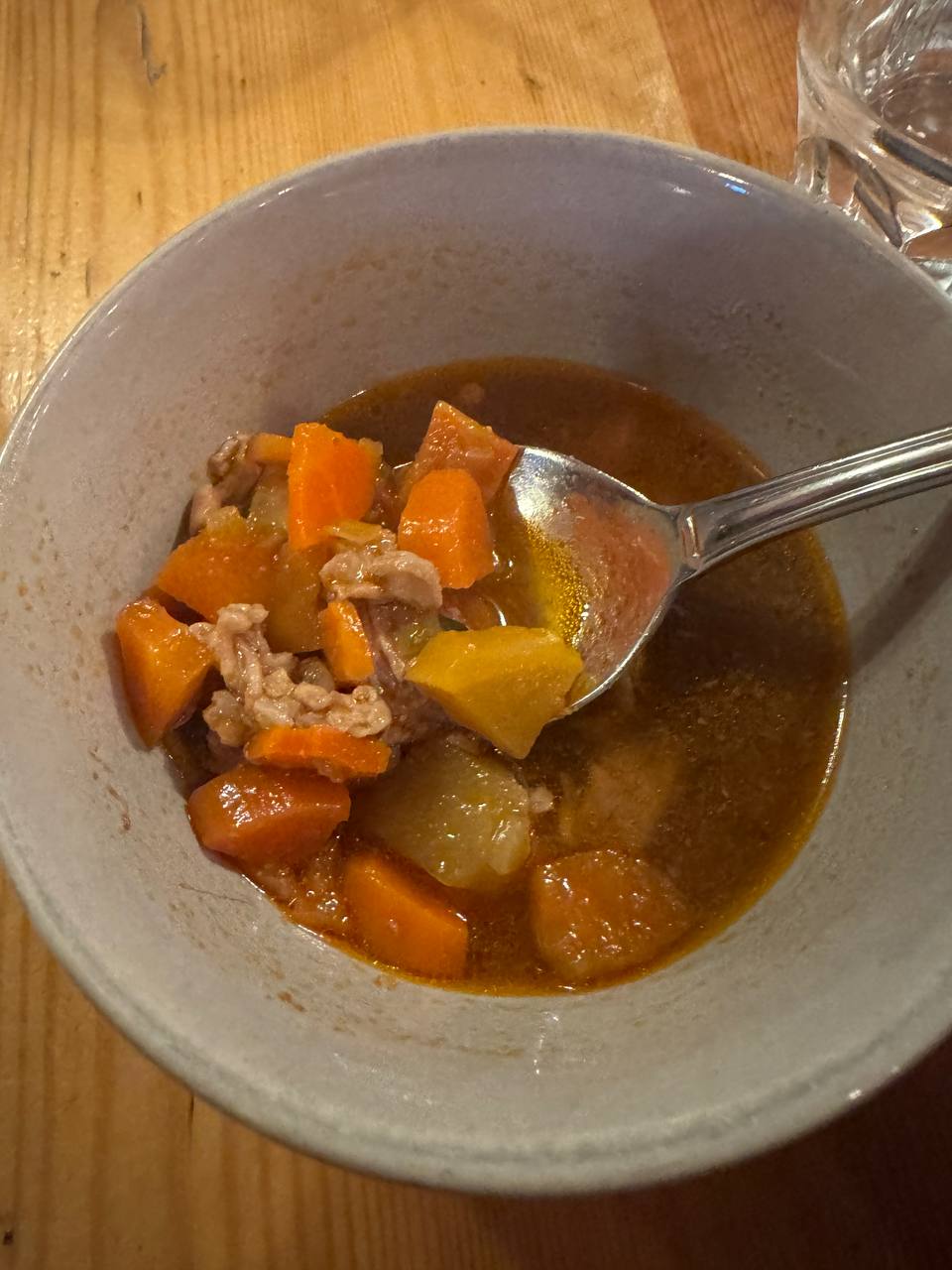 The best-value foods in Reykjavik are the ones Iceland actually produces: lamb, fish, dairy, and rye bread. These are not cheap in absolute terms, but relative to what they represent in quality and provenance, they are fairly priced. The worst value is anything imported, particularly packaged international foods, bottled alcohol, and meals built around imported ingredients at restaurants that charge domestic prices for international-quality product.
Lamb is the clearest example. Icelandic sheep spend summer on open highland pasture eating wild herbs and moss, with no grain feed. The meat that results is naturally sweeter and more tender than grain-fed lamb from anywhere else. A bowl of kjötsúpa (lamb soup) at 4,750 ISK feels expensive until you taste the broth. Then it makes sense. Paying that same price for an imported beef burger made with undifferentiated meat at a tourist restaurant makes no sense at all.
Fish is similar. Arctic char, cod, haddock, and langoustine all come from some of the cleanest cold water fisheries in the world. They arrive at Reykjavik kitchens having travelled a very short distance. Fish and chips at a good harbour spot, 1,390-1,590 ISK, is one of the better meals you’ll eat relative to price. Order fresh Icelandic fish at a restaurant that takes sourcing seriously and you’re paying for something genuinely different from what you get at home. Order imported salmon at a tourist restaurant and you’re paying Reykjavik prices for nothing Iceland-specific.
Skyr at a supermarket is the single best nutritional value in the city at 500-700 ISK per pot: high protein, low fat, genuinely good, and available in every flavour from plain to blueberry to rhubarb. The harðfiskur (dried fish with butter) sold in supermarket packets is another one: Icelandic snack food at Icelandic snack prices, bought at Bónus and eaten on the way to somewhere.
Bread from a proper bakery is underrated value. Rúgbrauð (geothermal rye bread) from Sandholt or similar bakeries costs a fraction of what it would at a restaurant and the quality is the same or better. The kleinur (twisted fried doughnut) at most bakeries costs 300-500 ISK and is one of the genuinely distinctive Icelandic food experiences available for pocket change.
Want to eat like a local rather than just following the same food trail as every other tourist? Here’s our traditional Icelandic food guide so you order with confidence.
Can a Food Tour Actually Save You Money in Reykjavik?
 In the right framing, yes. A standard food tour costs 12,000-16,000 ISK per person and includes 8-13 tastings across 5-7 venues. Ordering those same dishes independently at the same restaurants would cost significantly more, with one group calculation suggesting 7 dishes plus drinks would have approached 28,000 ISK assembled separately. The tour also replaces a meal, which changes the day’s food spend entirely.
A guided food walk includes tastings and local explanation. Compare its current quote with the meals you would actually buy independently; tasting portions are not equivalent to full restaurant orders, and neither savings nor skipping a later meal is guaranteed.
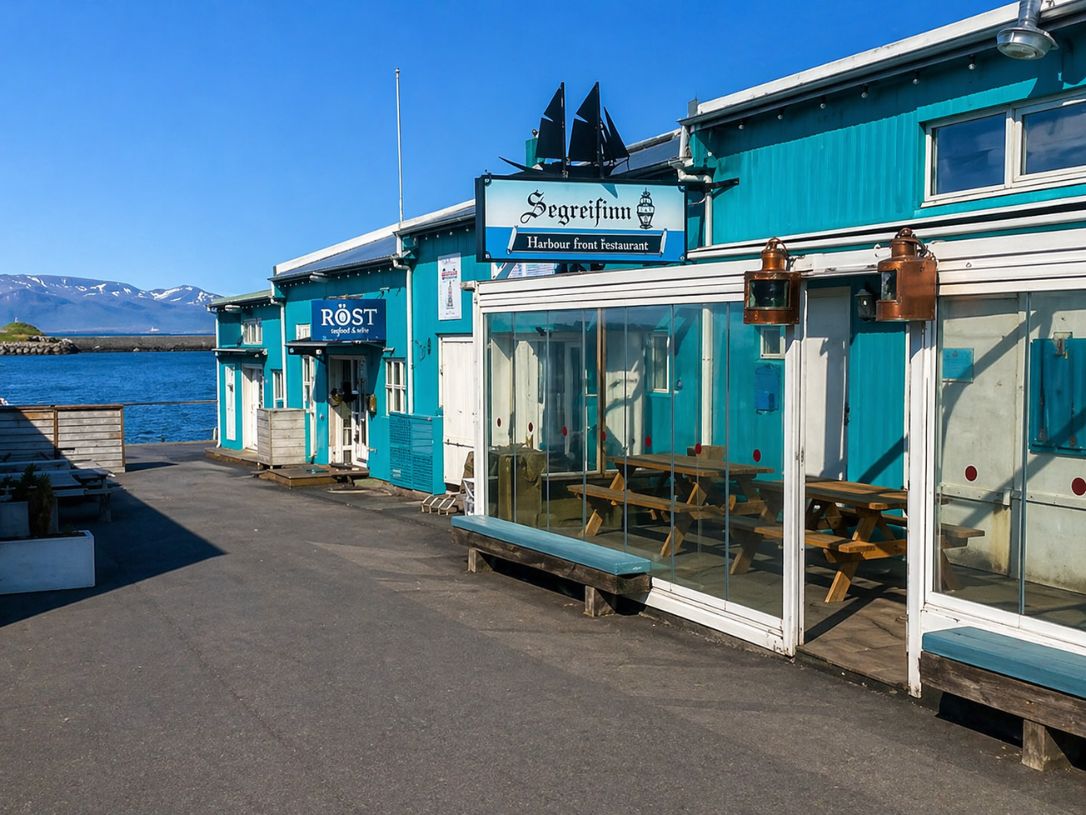
There’s also the access argument. A guide with established relationships at specific venues gets groups into spots that don’t market to tourists, serves them off-menu items or portions that reflect those relationships, and takes them to places they genuinely wouldn’t find and evaluate independently in the two or three days most people spend in the city. The food tour stops at Sægreifinn for langoustine soup, for example, not because it’s the only langoustine soup in the city but because the guide knows it’s worth it and has the context to explain why.
What the tour doesn’t do is make Iceland cheap. No single decision does that. What it does is concentrate your best eating into three hours with a local who has done this 8,700 times, which in an expensive city where missteps cost real money, is a meaningful form of insurance against a disappointing meal bill.
Wondering which food tours combine Icelandic cuisine with neighbourhood history and which ones just focus on the eating? This best Reykjavik food tours guide covers what sets the standout experiences apart.
We’ve been showing travelers the real Reykjavik food scene since 2014. Browse the food tours if you want that route rather than restaurant by restaurant.
How To Judge The Experience For Yourself
Choose on the actual itinerary, duration and included tastings. A guided outing adds local explanation and an organized route; your own priorities and current quotes determine whether it is worth the cost.
Frequently Asked Questions
Is Reykjavik more expensive than London for food?
Generally yes for mid-range and above dining. Cost-of-living comparisons place Reykjavik and London at roughly similar overall levels, but restaurant meal prices in Reykjavik tend to run higher for equivalent quality. Fine dining in Reykjavik is competitive with London pricing. Street food and fast food are also pricier in Reykjavik on most items, with the exception of the pylsur hot dog, which at 820 ISK (~$6) is one of the cheapest decent meals anywhere in the city.
Is alcohol really that expensive in Reykjavik?
Yes. Iceland operates a state monopoly on off-licence alcohol sales (Vínbúðin), and import taxes push prices well above European norms. A pint at a bar runs 1,200-1,500 ISK at regular prices. A glass of wine at a restaurant is 1,500-2,500 ISK. If you want to drink during your trip without the full bar premium, buying from Vínbúðin before an evening is how locals manage it. Prices there are lower than bars and restaurants, though still higher than most visitors are used to from home.
What is the cheapest proper meal in Reykjavik?
A pylsur hot dog from Bæjarins Beztu at 820 ISK is the cheapest recognisable Reykjavik meal. For something more substantial, the lunch soup special at Icelandic Street Food on Laugavegur serves lamb soup or fish stew with a bread bowl and free refills, plus free waffles at the end, for around 1,800-2,200 ISK. That’s a full meal for what most restaurants charge for a starter.
Do Reykjavik restaurants charge for tap water?
Most will serve tap water on request at no charge, and Iceland’s tap water is glacial spring water that tastes exceptional. A few tourist-facing venues will bring bottled water automatically and charge for it. Ask for tap water specifically and bring a reusable bottle for everything in between. Paying for bottled water in Iceland is an unnecessary expense by any measure.
Why is food so expensive in Iceland?
Several structural reasons. Iceland is an island with minimal agricultural land and a short growing season, so most food is imported. Heavy protective tariffs on imported agricultural products keep domestic food producers viable but raise prices overall. The labour market is among the most unionised in the world, with service industry wages significantly higher than most European equivalents. All of this gets passed through to the consumer. The foods Iceland produces locally, lamb, fish, and dairy, are actually better value relative to their quality than most imported alternatives on the same menu.
Is it worth splurging on food in Reykjavik?
For specific items, absolutely. Fresh langoustine, properly prepared Arctic char, Icelandic lamb cooked well, and a tasting menu at Dill represent experiences that genuinely justify the cost because you cannot replicate them elsewhere. Paying Reykjavik prices for a generic steak or an imported wine at a tourist-facing restaurant is a different matter. The rule we give every group we guide: spend on what Iceland does exceptionally well, eat simply for everything else.
Icelandic tour guide since 2014 · Founder, Reykjavik Food Tours
Sigurd has guided over 8,700 travelers through Reykjavik’s food scene since founding the agency.
Make Room For One Food Experience
Reykjavik Food And City Walk
Local food, city history, hot dogs, fish and Icelandic ice cream. Have a travel date in mind? Check the departure before arranging the rest of your food day.
Meet at Harpa main entrance; downtown endpoint varies by departure. Confirm dietary requirements and the final stop with the operator.
Choose a date to check the published Viator schedule. Final availability and price are confirmed on Viator.
Check Dates On ViatorWhat Would A Food Tour Add To Your Budget?
Choose an experience and we will check duration and requirements against the verified product details. Allow travel time separately.
Compare Your Own Costs
Enter totals for the same group in one currency. Use your actual DIY meals, not full restaurant portions priced against small tastings.
Add both amounts to compare. Transfers and extra meals are separate.