Reykjavik Cheap Eats Guide
How to eat cheap in Reykjavik? Learn the budget strategy - best-value meals, lunch specials, and where to eat for under 2,500 ISK without sacrificing quality.
Eating cheaply in Reykjavik is possible but requires a different approach than most European cities. The pylsur hot dog at 820 ISK is the floor. Above that, the three levers are: lunch specials at good restaurants (2,000-3,500 ISK for the same quality as a 7,000 ISK dinner), Bónus supermarket for self-catering basics, and a handful of specific restaurants that genuinely deliver full meals under 2,500 ISK. Icelandic Street Food with its free refill soup, Noodle Station, Hlöllabátar, and Mandi are the core budget four. Alcohol is where most budgets collapse – use happy hour (3pm-6pm, most bars, 800-1,000 ISK per beer) or skip it.
Use the guide to plan independent food stops, or add a guided experience. Local food, city history, hot dogs, fish and Icelandic ice cream. Explore The Guided Option
Affiliate links may earn us a commission at no extra cost to you. Restaurant prices in the original guide are dated estimates; confirm current menus.Quick Reference: Reykjavik Cheap Eats at a Glance
| Cheapest single item | Pylsur hot dog, Bæjarins Beztu Pylsur | 820 | ~$6 |
| Budget full meal | Icelandic Street Food soup, Noodle Station, Hlöllabátar sub, Mandi shawarma | 1,500-2,500 | ~$11-$18 |
| Bakery breakfast | Brauð and Co, Sandholt – pastry plus coffee | 900-1,500 | ~$6-$11 |
| Lunch special | Mid-range restaurant dagblað, 11:30am-2pm | 2,000-3,500 | ~$14-$25 |
| Food hall dinner | Grandi Mathöll or Hlemmur Mathöll vendor | 1,800-3,000 | ~$13-$22 |
| Supermarket skyr | Bónus (cheapest chain) | 500-700 | ~$4-$5 |
| Happy hour beer | Most bars, approx. 3pm-6pm | 800-1,000 | ~$6-$7 |
| Regular price beer | Any bar, outside happy hour | 1,200-1,500 | ~$9-$11 |
All prices verified April 2025.
Is Cheap Eating Actually Possible in Reykjavik?
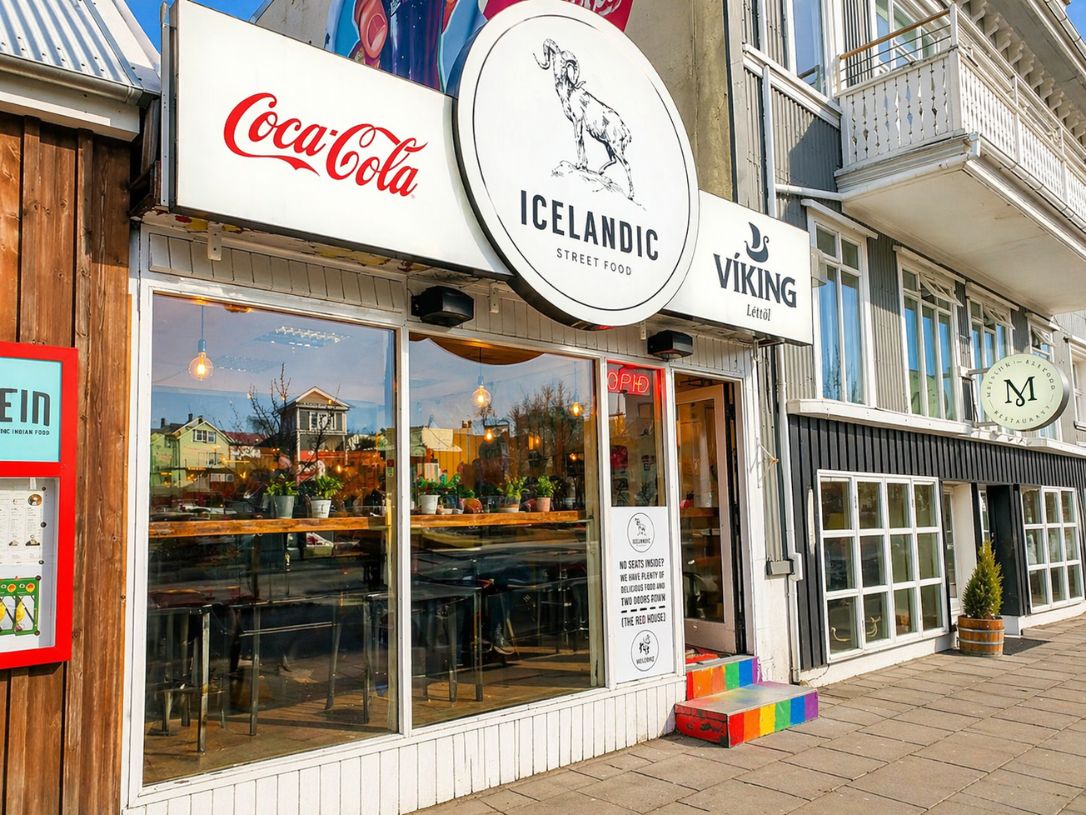 Yes, but the definition of cheap has to shift. A budget meal in Reykjavik starts at around 820 ISK for a pylsur hot dog and tops out at around 2,500 ISK for a full filling meal. That’s not cheap by most European standards, but it’s real and achievable. What isn’t achievable is expecting Reykjavik to have the cheap restaurant options of Lisbon or Bangkok. The city is structurally expensive. The wins come from knowing which specific spots deliver value and avoiding the patterns that multiply the bill.
Iceland is an island in the North Atlantic that imports most of its food, pays some of the highest wages in Europe, and has been dealing with above-average inflation. Food prices reflect that. A tourist who arrives expecting cheap street food and hostel-adjacent restaurants on every corner will be disappointed. A tourist who knows where the value actually lives and plans around those spots will eat well without the budget shock.
The three principles that make budget eating work in Reykjavik are simple. One: eat the main meal at lunch, not dinner, where the same food at the same restaurant costs 50-60% of the evening price. Two: use the budget restaurant tier strategically, specifically Icelandic Street Food, Noodle Station, and Hlöllabátar, which are genuine value spots rather than cheap-and-unpleasant. Three: use Bónus supermarket for anything that doesn’t need to be a restaurant experience: breakfast, snacks, the daily skyr, harðfiskur to eat while walking.
The pattern that kills most travel budgets in Reykjavik isn’t one expensive dinner. It’s three mediocre expensive dinners because nobody planned where to eat, plus drinks at regular prices because nobody knew about happy hour. Budget eating in this city is entirely a planning problem, not a scarcity problem.
We’ve put together a full food cost breakdown in our is food expensive in Reykjavik tours guide so you know exactly what to expect at every price point from street food to sit-down restaurants.
What Are the Cheapest Meals You Can Get in Reykjavik?
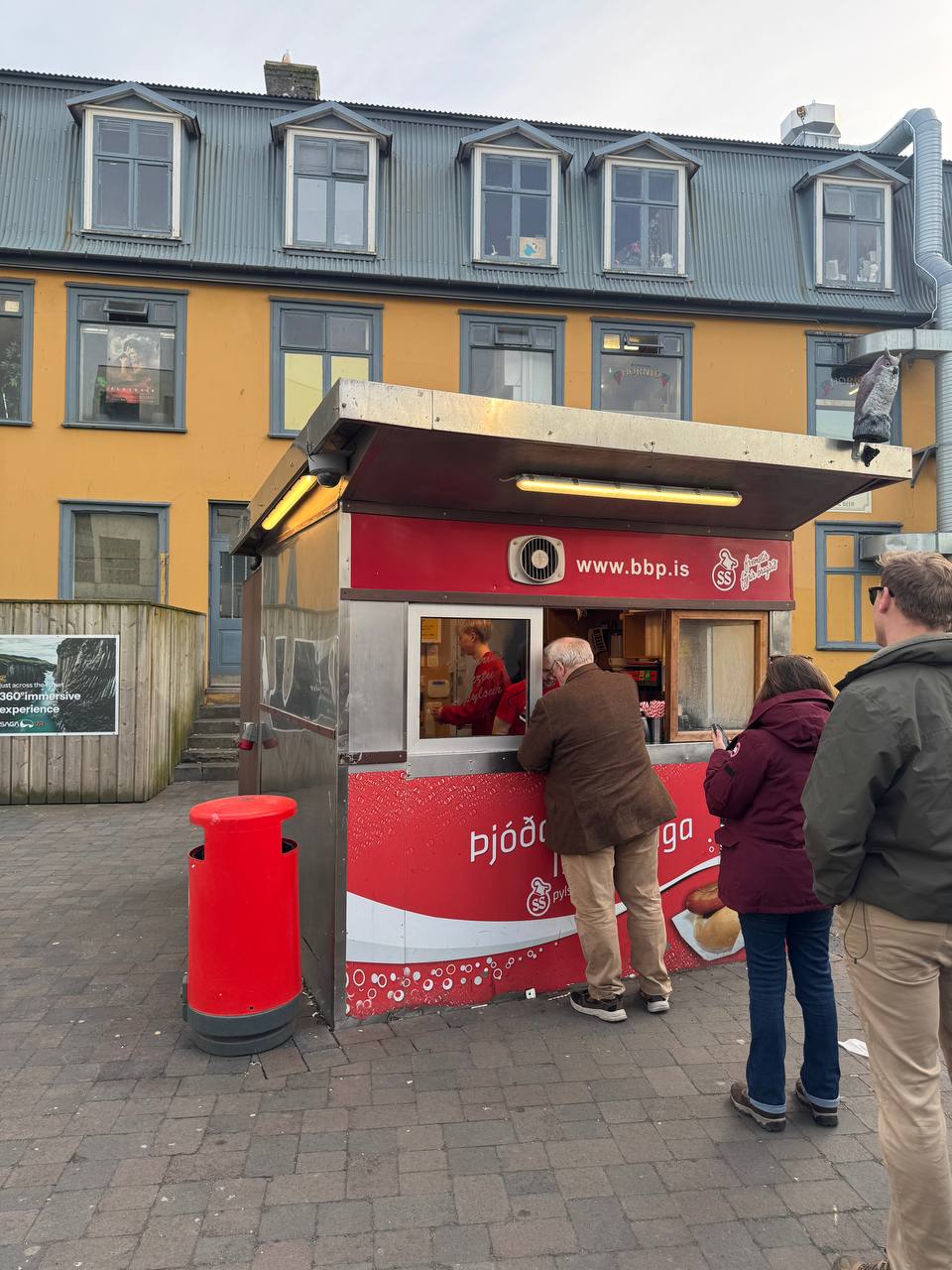 The five cheapest full meals in Reykjavik are: the pylsur hot dog (820 ISK), Reykjavik Chips fries with sauce (950-1,350 ISK), Hlöllabátar sub sandwich (1,500-2,200 ISK), Noodle Station soup (1,890-2,290 ISK), and a bread bowl of soup at Icelandic Street Food (1,800-2,290 ISK with free refills). All five are legitimate meals. The first four take under ten minutes to receive.
The pylsur hot dog deserves the reputation it has, but for honest reasons rather than celebrity ones. The lamb-pork-beef blend, the steamed bun, the combination of raw onions, crispy fried onions, sweet mustard, ketchup, and remoulade – it’s a genuinely constructed thing, not just a hot dog. At 820 ISK from Bæjarins Beztu Pylsur by the harbour, two hot dogs and a drink is a real lunch for under 2,500 ISK. Gas stations across the city sell the same quality product at similar prices without the tourist queue.
Icelandic Street Food on Laugavegur is the single best value eating in central Reykjavik for a sit-down experience. The menu is simple: lamb soup or fish stew, served in a homemade bread bowl, with free refills and free waffles with jam at the end. A bowl runs 1,800-2,290 ISK. The free refill policy is genuine and the portions are generous before you even use it. The bread bowl is edible and counts as food. This is where you go when you want to eat Icelandically on a very tight budget and not feel shortchanged about it.
Noodle Station has been quietly keeping Reykjavik visitors and locals fed since long before the current tourism boom. Three soups: beef, chicken, or vegetable noodle, in a Thai-influenced broth built from a family recipe. Vegetable soup runs under 1,000 ISK. Beef or chicken runs 1,600-1,890 ISK. Large portions, fast service, genuinely warming on a cold afternoon. It doesn’t feel like a compromise meal. It feels like exactly what you wanted.
Hlöllabátar (and the rival Nonnabiti, which local loyalty divides people between) serves loaded Icelandic sub sandwiches from 1,500 ISK. The sandwiches are large enough that lighter eaters can split one. The Hlöllabátar special combinations involving lamb, shrimp, and Icelandic sauces make these worth trying as a food experience rather than just a budget stop. These are not generic fast food. They’re genuinely good sandwiches at genuinely reasonable prices.
Mandi, the Syrian family restaurant near the city centre, regularly features on lists of Reykjavik’s best cheap eats and deserves the placement. Shawarma, falafel, kebab plates all in the 1,500-2,500 ISK range, with generous portions, late opening hours (until 2am on weekdays, 6am on weekends), and the kind of reliable kitchen quality that comes from a family operation where reputation is everything. For vegans and vegetarians specifically, Mandi is one of the most useful budget spots in the city.
Not sure which street food options in Reykjavik are genuinely Icelandic versus just fast food with a Nordic label slapped on? Check out our Icelandic street food to try in Reykjavik guide before you start snacking.
How Do Locals Eat on a Budget in Reykjavik?
 Locals use Bónus supermarket for everyday groceries, eat their main restaurant meal at lunch to capture the dagblað (lunch special) pricing, drink at home or at happy hour rather than paying full bar prices, and rely on bakeries rather than hotel breakfast or sit-down morning restaurants. They also know that tap water is glacial spring water and free, and that nobody in Iceland pays for bottled water by choice.
Bónus is the supermarket with the pink pig logo and the consistently lowest prices in Iceland. The selection is limited and the presentation is plain. Neither matters when skyr costs 500-700 ISK there versus four times that in a café, when a prepared Icelandic fish stew (plokkfiskur) costs 828 ISK from the chilled section versus 4,000+ ISK at a restaurant. Locals who want to eat Icelandically without restaurant prices buy their skyr, their harðfiskur, their rye bread, and their smoked lamb from Bónus and eat well for a fraction of what dining out costs.
The lunch special (dagblað or dagsrétt) is the budget mechanism that most tourists miss and most Icelanders use regularly. Restaurants that charge 5,000-8,000 ISK for a dinner main course serve the same food or a slightly smaller version of it – for 2,000-3,500 ISK between 11:30am and 2pm. Apotek, one of Reykjavik’s genuinely nice restaurants on Austurstræti, offers a two-course lunch for 7,990 ISK. That’s still more than a hot dog, but it’s the same kitchen. Mid-range casual restaurants often have lunch specials in the 2,000-2,500 ISK range that are a full meal. Structure your day to eat the best meal at lunch and something simple at dinner, and your food budget looks dramatically different by the end of the trip.
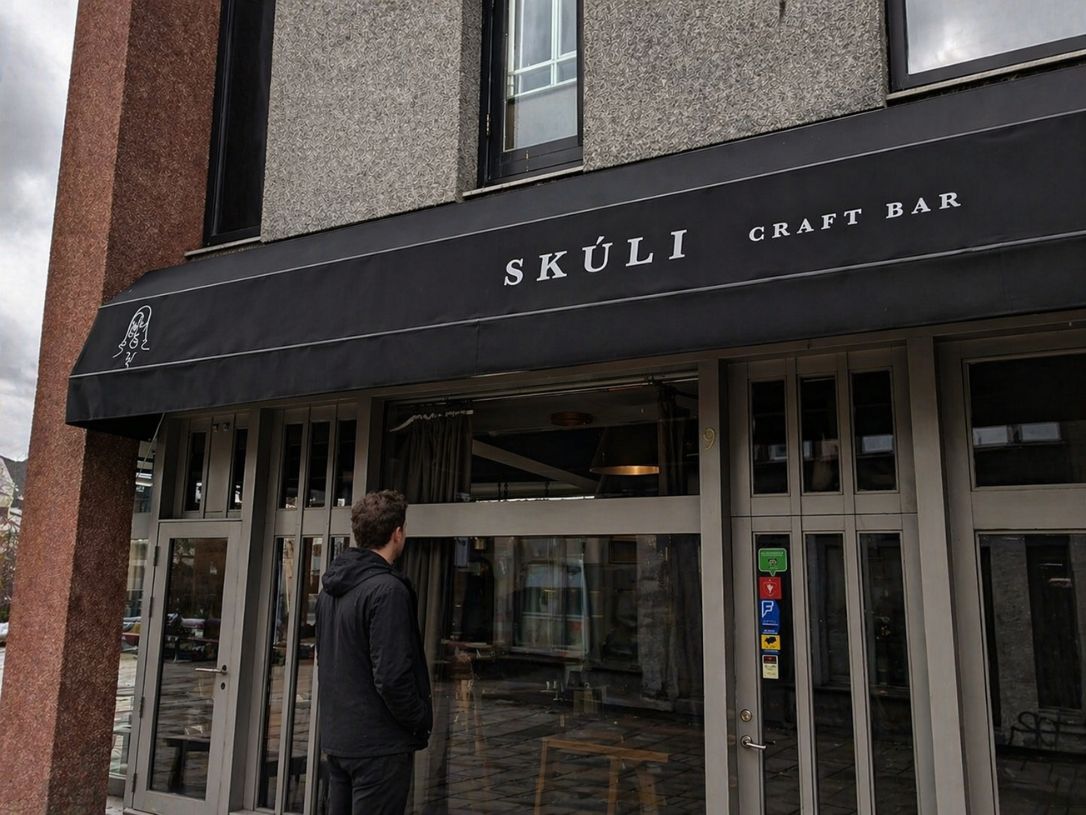
For alcohol, the happy hour circuit is the local approach. Most Reykjavik bars run discounts from roughly 3pm to 6pm, dropping draught beer from 1,200-1,500 ISK to 800-1,000 ISK. That’s not cheap by most cities’ standards, but it’s 30-40% less than regular price, and it’s where locals who want a drink do their drinking. The Appy Hour app lists current deals in real time. Skúli Craft Bar near the harbour is a regular recommendation from guides and locals both for its beer selection and its happy hour value.
Nobody who lives in Iceland pays for bottled water. The tap water comes from glacial springs and volcanic filtration and is among the cleanest in the world. Restaurants will bring tap water on request at no charge. A reusable bottle filled from the tap throughout the day costs nothing. Buying bottled water in Iceland is one of the most reliably unnecessary expenses a visitor can make.
Wondering which food tours actually take you beyond the obvious and into the parts of Icelandic cuisine most tourists never try? This what to eat in Reykjavik food tours guide covers what’s genuinely worth your time and stomach space.
Which Reykjavik Restaurants Give You the Best Value for Money?
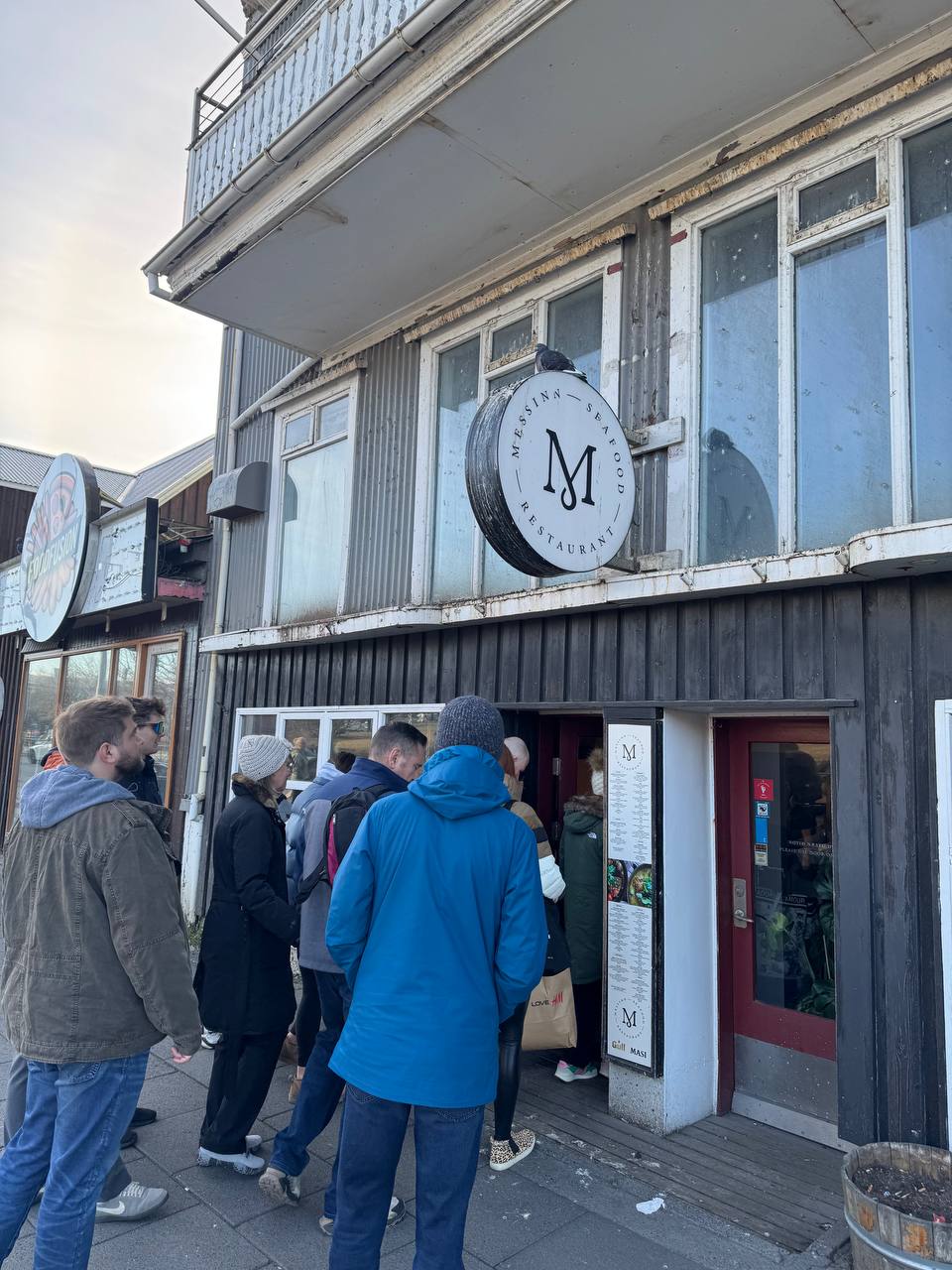 Best value in Reykjavik means the best combination of quality, portion, price, and Icelandic authenticity relative to cost. The five restaurants that consistently deliver this are Icelandic Street Food (free refills on traditional soup), Messinn (fresh catch of the day in a cast-iron skillet at lunch prices), Sægreifinn (langoustine soup that outpunches its price point), Hlöllabátar (loaded subs at sandwich prices), and Grandi Mathöll food hall (variety and quality for food hall money).
| Icelandic Street Food | Lamb soup or fish stew bread bowl | 1,800-2,290 | Free refills. Free waffles. Traditional Icelandic food. Full meal. |
| Sægreifinn (Sea Baron) | Langoustine soup, grilled skewers | 1,800-4,500 | Langoustine soup at this price is extraordinary. Old harbour atmosphere included. |
| Messinn | Catch of the day at lunch | 3,500-5,500 | Same quality as expensive seafood restaurants. Lunch prices. Cast-iron skillet service. |
| Hlöllabátar | Icelandic sub sandwich with lamb | 1,500-2,200 | Iceland’s best sandwich at sandwich prices. Local institution since the 1970s. |
| Noodle Station | Any noodle soup | 960-2,290 | Genuine value. Large portions. Warming. Vegetable soup under 1,000 ISK. |
| Mandi | Lamb shawarma or falafel plate | 1,500-2,500 | Family-run Syrian restaurant. Late hours. Best budget option for vegans. |
| Grandi Mathöll | Fish and chips or any stall | 1,800-3,000 | Ten vendors, varied cuisine, food hall prices, harbour atmosphere. |
| Café Loki | Plokkfiskur, rye bread, rye bread ice cream | 2,500-5,500 | Traditional Icelandic food in an honest, non-tourist-facing setting near Hallgrímskirkja. |
Prices verified April 2025.
A note on Svarta Kaffið (the Black Cat café on Laugavegur): two soups daily, served in a bread bowl, for around 1,950 ISK. No menu beyond that. The soups change and are consistently good. The bread bowl is part of the meal. It fills tables regularly with locals who live nearby and use it as a reliable lunch option. No frills, no tourist markup, no performance.
If you'd rather walk the value stops with a guide, the Reykjavik Food & City Walk spends three hours on tastings around town, with the food included in the price.
Want a practical food plan that actually fits around your other Reykjavik activities? Here’s our Reykjavik food tours itinerary guide so nothing clashes and nothing gets missed.
What Are the Best Budget Food Strategies for Reykjavik?
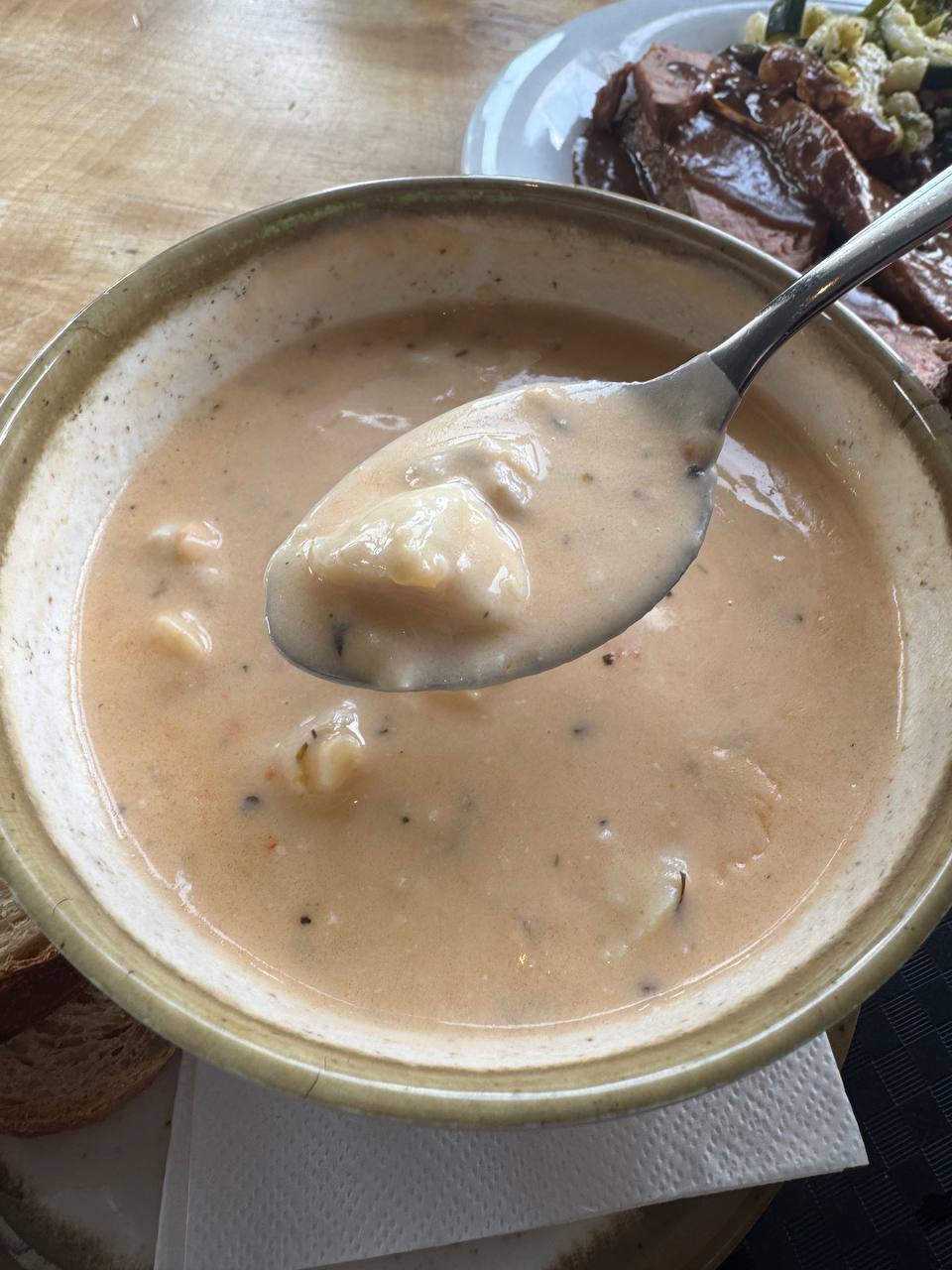 Five strategies that actually work: eat the main meal at lunch using the dagblað system, use Bónus supermarket for breakfasts and snacks, drink at happy hour not at regular bar prices, never buy bottled water, and treat Icelandic food itself as the budget-friendly tier. Lamb soup, plokkfiskur, harðfiskur, and skyr are not luxury products here – they’re everyday food priced accordingly at supermarkets and budget restaurants.
The lunch special system is the most underused budget tool in the city. The Icelandic word is dagblað or dagsrétt. It means the meal of the day, and it runs from 11:30am to 2pm at most restaurants that offer it. The format varies: sometimes soup plus a main, sometimes a smaller version of a dinner dish, sometimes a set two-course deal. The price is always significantly lower than dinner. Apotek offers two courses for 7,990 ISK at lunch. Many casual mid-range restaurants offer a main plus soup or bread for 2,000-2,800 ISK. Structuring your day to eat the best restaurant meal at midday and eat simply in the evening is the single adjustment that saves the most money across a multi-day trip.
Bónus opens at 11am on most days, which matters for planning. If you need breakfast supplies, Krónan opens earlier and has a better fresh produce selection while remaining in the budget tier. Both are significantly cheaper than Nettó and dramatically cheaper than 10-11, the centrally located convenience store that charges up to 50% more for the same products while staying open 24 hours. If you’re in the city centre and hungry at midnight, 10-11 exists. Plan to not need it.
The alcohol question deserves its own strategy. Iceland’s drink prices are among the highest in Europe. A pint at a bar in the evening runs 1,200-1,500 ISK. Happy hour drops that to 800-1,000 ISK. The Appy Hour app (free, regularly updated) shows which bars currently have running deals. Planning drinks around happy hour windows, roughly 3pm to 6pm at most venues, cuts the drinks bill by 30-40% and often coincides with an early dinner, which also saves on food. Two birds with one glacier spring water.
For alcohol purchased to drink elsewhere, Vínbúðin (the state-run off-licence) is the only legal retail option in Iceland. It’s cheaper than bars but more expensive than what visitors are used to from home. Buying at Keflavik airport duty-free on arrival is the cheapest way to bring alcohol into the country. The selection is good, the prices are airport-duty-free level, and you avoid the Vínbúðin markup entirely for what you bring in.
Wondering which craft beer tours pair drinking with food stops and which ones are purely about the pints? This Reykjavik food tours craft beer guide covers what each experience actually delivers.
What Budget Food Mistakes Cost Tourists the Most Money in Reykjavik?
 The five most expensive mistakes: shopping at 10-11 instead of Bónus, buying bottled water, eating all meals at restaurants when supermarket and bakery alternatives would serve better, paying full bar prices for every drink instead of using happy hour, and eating reactively in tourist corridors where visible restaurants charge visibility premiums. All five are avoidable with minimal planning.
The 10-11 mistake is the most consistent and preventable. These brightly lit convenience stores are visible, central, and open around the clock. They’re also roughly 50% more expensive than Bónus or Krónan for the same products. They reportedly adjust their electronic price tags upward by an average of 8% after hours. Visitors who do their supermarket shopping at 10-11 are paying restaurant markups for grocery items. Walking five minutes to a Bónus instead costs nothing and saves meaningfully, every single time.
Reactive eating in tourist corridors is the pattern that costs the most across a full trip. The restaurants immediately visible from Hallgrímskirkja, the prime Laugavegur stretch, and the Harpa Concert Hall waterfront area charge premiums because foot traffic finds them automatically. The food is often adequate. It’s rarely exceptional. And it costs significantly more than what’s available one or two streets off the main circuit. Moving away from visibility – toward Hverfisgata, toward the harbour side streets, toward Grandi – produces better food at lower prices nearly every time.
Drinks at full price across multiple evenings is the quiet killer. A couple who each orders two beers over a dinner out, at regular prices, adds 4,800-6,000 ISK to the bill. Do that three times and you’ve spent the equivalent of another full day’s food budget on beer markups alone. The solution isn’t to stop drinking in Iceland. It’s to do it at happy hour, or with Vínbúðin bottles at your accommodation, rather than at regular restaurant and bar pricing.
Skipping Bónus for breakfast and buying café breakfasts every morning is a less obvious but consistent spending pattern. A sit-down café breakfast runs 2,000-3,500 ISK. A Bónus breakfast – skyr, bread, Icelandic butter, eggs if your accommodation has a kitchen – runs 500-1,000 ISK for the same nutritional result and better quality food. The bakery tier (Brauð and Co, Sandholt) sits in between: 900-1,500 ISK for a proper pastry and coffee, worth it occasionally, not worth it every morning as a daily budget item.
Can a Food Tour Actually Be a Budget-Smart Decision in Reykjavik?
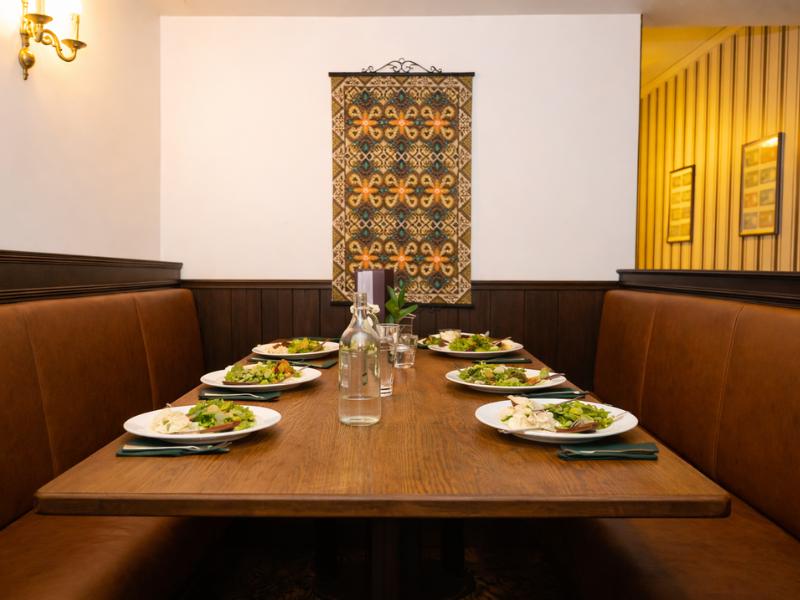
A guided food walk includes tastings and local explanation. Compare its current quote with the meals you would actually buy independently; tasting portions are not equivalent to full restaurant orders, and neither savings nor skipping a later meal is guaranteed.
We’ve been showing travelers the real Reykjavik food scene since 2014. The Wake Up Reykjavik Food Tour is a three-hour first-day walk you can use to choose cheaper meals afterward.
There’s a real difference between a great Reykjavik food tour and a glorified restaurant crawl – our best Reykjavik food tours guide breaks down which operators actually deliver.
How To Judge The Experience For Yourself
Choose on the actual itinerary, duration and included tastings. A guided outing adds local explanation and an organized route; your own priorities and current quotes determine whether it is worth the cost.
Frequently Asked Questions
What is the cheapest meal in Reykjavik?
A pylsur hot dog from Bæjarins Beztu Pylsur or any gas station hot dog stand costs 820 ISK (~$6 USD) and is a genuine Icelandic food experience, not a tourist trap with a famous name attached. For a full sit-down meal, Icelandic Street Food’s lamb soup bread bowl with free refills at 1,800-2,290 ISK is the best value in central Reykjavik. Both prices verified April 2025.
Is Bónus really much cheaper than other supermarkets in Iceland?
Yes, substantially. Bónus is consistently the cheapest supermarket chain in Iceland and charges 30-50% less than 10-11 convenience stores for the same items. The trade-off is a limited selection and plain presentation. For staples like skyr, bread, dairy, prepared fish stew, harðfiskur, and lamb products, Bónus prices are significantly lower than anywhere else. The pink pig logo is the visual identifier. Most stores open at 11am – check times before relying on an early morning shop.
What is the lunch special in Reykjavik and how do I find it?
The lunch special (dagblað or dagsrétt – meal of the day) is a reduced-price meal offered by many Reykjavik restaurants between roughly 11:30am and 2pm. The format varies: soup plus a main course, a smaller version of a dinner dish, or a fixed two-course deal. Prices typically run 2,000-3,500 ISK compared to 5,000-8,000 ISK for the same restaurant’s dinner menu. Look for a small chalkboard near the entrance or ask when you walk in. Not every restaurant offers it but most mid-range places do during the week.
How do I save money on drinks in Reykjavik?
Use happy hour, which runs at most bars from roughly 3pm to 6pm, dropping beer from 1,200-1,500 ISK to 800-1,000 ISK. The Appy Hour app shows current deals across the city in real time. For bottles, Vínbúðin (the state-run off-licence, the only retail alcohol option in Iceland) is cheaper than bars. If you know you’ll drink during the trip, buying at Keflavik airport duty-free on arrival is the cheapest option of all.
What traditional Icelandic food is genuinely cheap?
The pylsur hot dog is the classic answer. Beyond that: skyr at Bónus (500-700 ISK per pot), harðfiskur (dried fish) from any grocery store or gas station, and lamb soup at Icelandic Street Food with free refills. These are traditional Icelandic foods at traditional Icelandic prices, because they’re everyday staples rather than tourist-facing interpretations. A bag of harðfiskur from Bónus eaten with butter while walking is one of the most authentic and cheapest food experiences available in the city.
Is tap water safe to drink in Reykjavik?
Yes, and it’s exceptional. Reykjavik’s tap water comes from glacial springs and volcanic filtration systems, making it among the cleanest water in the world. Restaurants serve it on request at no charge. There is no reason whatsoever to buy bottled water in Iceland. Bring a reusable bottle, fill it everywhere, and direct that money toward something that actually tastes different here.
Icelandic tour guide since 2014 · Founder, Reykjavik Food Tours
Sigurd has guided over 8,700 travelers through Reykjavik’s food scene since founding the agency.
Make Room For One Food Experience
Reykjavik Food And City Walk
Local food, city history, hot dogs, fish and Icelandic ice cream. Have a travel date in mind? Check the departure before arranging the rest of your food day.
Meet at Harpa main entrance; downtown endpoint varies by departure. Confirm dietary requirements and the final stop with the operator.
Choose a date to check the published Viator schedule. Final availability and price are confirmed on Viator.
Check Dates On ViatorDoes A Guided Outing Fit Your Food Budget?
Choose an experience and we will check duration and requirements against the verified product details. Allow travel time separately.
Compare Your Own Costs
Enter totals for the same group in one currency. Use your actual DIY meals, not full restaurant portions priced against small tastings.
Add both amounts to compare. Transfers and extra meals are separate.