Reykjavik Food Tour vs DIY Eating
Food tour or DIY in Reykjavik? Compare what you gain from a guide vs going solo, and why doing both often gives the best experience.
Both work. A food tour is better for your first day, your first visit, and anyone who hasn’t researched the city deeply. DIY eating is better once you have context, time, and a list of specific spots worth going to. The real difference isn’t price or flexibility – it’s knowledge. A guide who has lived here their whole life carries information that no travel article fully replicates: which stops are worth a detour that week, what to order, why this lamb tastes different from anything you’ve had before, and where to go tomorrow. Most travelers who do both say the tour made the independent eating better.
Use the guide to plan independent food stops, or add a guided experience. Local food, city history, hot dogs, fish and Icelandic ice cream. Explore The Guided Option
Affiliate links may earn us a commission at no extra cost to you. Restaurant prices in the original guide are dated estimates; confirm current menus.Quick Comparison: Food Tour vs DIY Eating in Reykjavik
| Cost | 12,000-16,000 ISK per person, all food included. Verified April 2025. | Variable. Same dishes separately cost significantly more across multiple restaurant stops. |
| Dishes covered | 8-13 tastings across 5-7 venues in 3 hours | 1-3 dishes per restaurant visit; limited range unless eating at multiple places |
| Cultural context | Full – guide explains history, sourcing, tradition behind each dish | Limited to menu descriptions unless you research independently |
| Venue discovery | Guide takes you to spots off the main tourist trail | Relies on reviews, recommendations, and local knowledge you may not have |
| Flexibility | Fixed 3-hour route and schedule | Full control over timing, pace, cuisine choices |
| Best for | First-timers, first day arrivals, anyone unfamiliar with Icelandic food | Return visitors, travelers with deep pre-trip research, those who prefer solitude |
| Risk of a bad meal | Low – guide has vetted every stop | Higher in tourist-heavy areas if you don’t know where to go |
| City orientation | Built in – you learn the streets while eating | Requires separate effort to learn the city layout |
What Is the Real Difference Between a Food Tour and Eating Independently in Reykjavik?
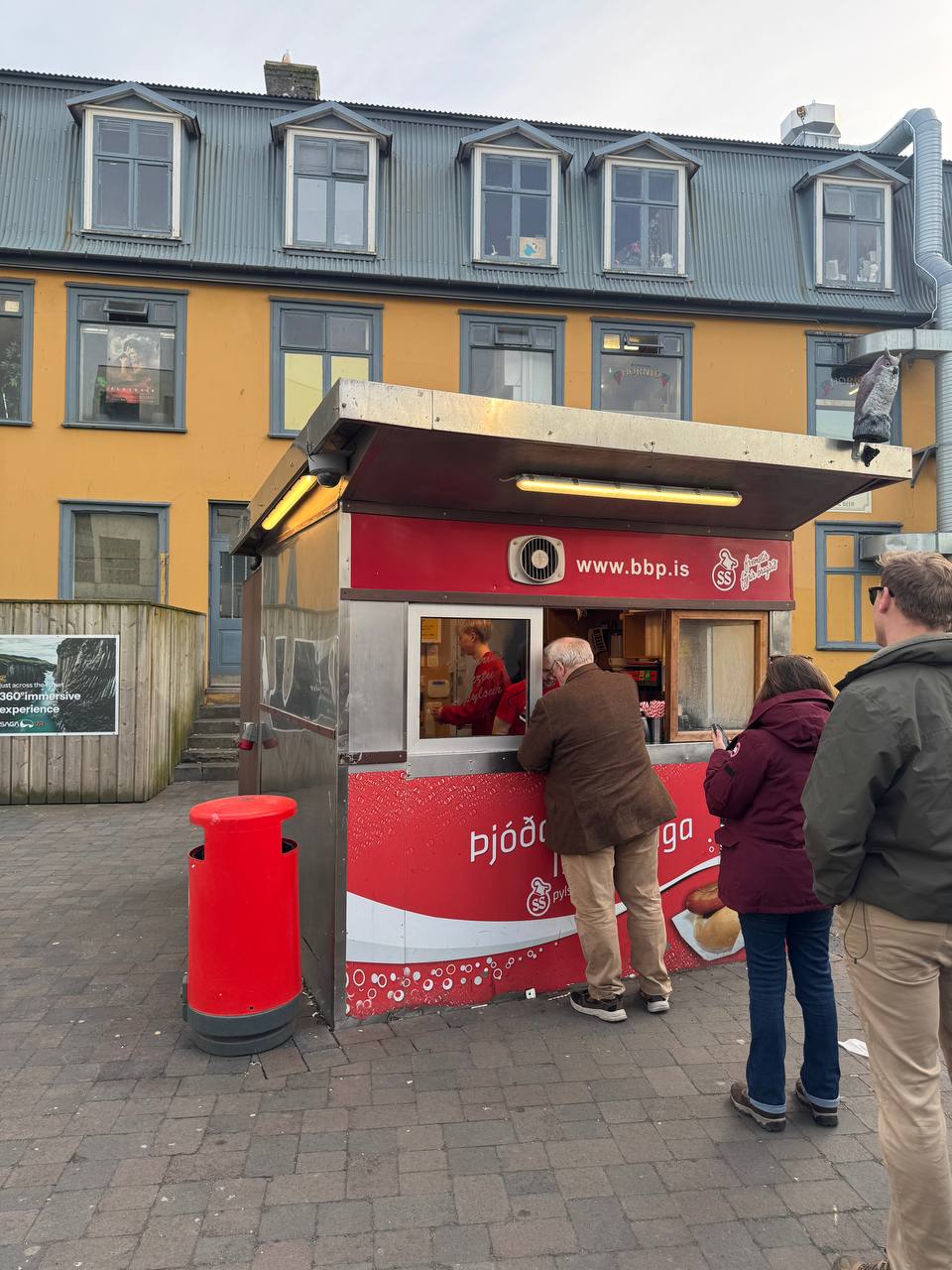 The practical difference is access and context. A food tour gets you into venues you wouldn’t find, with portions calibrated for tasting rather than full meals, guided by someone who knows what each dish means and why it exists. Independent eating gives you full control over timing, pace, and what you order, but in an unfamiliar city with an unfamiliar food culture, that control is only as good as the knowledge behind it.
Reykjavik is compact. The tourist circuit is small. The restaurants that market aggressively to visitors are highly visible, often charge a premium, and rarely represent the city’s best eating. The places locals genuinely love don’t need to shout. They’re tucked into side streets, hidden in warehouses by the harbour, operating on word-of-mouth that takes time to reach a visitor who arrived this morning.
This isn’t a problem unique to Reykjavik, but it’s more acute here than in most European cities. The food culture is unfamiliar to most visitors. The ingredients, particularly fermented shark, dried fish, geothermally baked rye bread, and Atlantic char, have no direct equivalent elsewhere. The context of why Icelanders eat what they eat, centuries of preservation born from brutal winters and a remote island with no agricultural safety net, doesn’t come with the menu at a restaurant you found on Google. A guide who grew up here carries that context as a lived thing, not a curated article summary.
Going it alone is entirely possible and has real advantages: spontaneity, pace, the pleasure of wandering. But in a city where missteps cost real money and the best spots require local knowledge to find, independent eating works best when you already have the orientation. Most travelers who’ve done both say the same thing: the tour made the independent eating much better, because they left knowing what to look for, which neighbourhoods to target, and which specific dishes earned the price on the menu.
First time booking a food tour in Reykjavik and not sure what to look for in a good one? Here’s our best Reykjavik food tours guide so you get the experience right.
How Much Does DIY Eating Actually Cost Compared to a Food Tour?
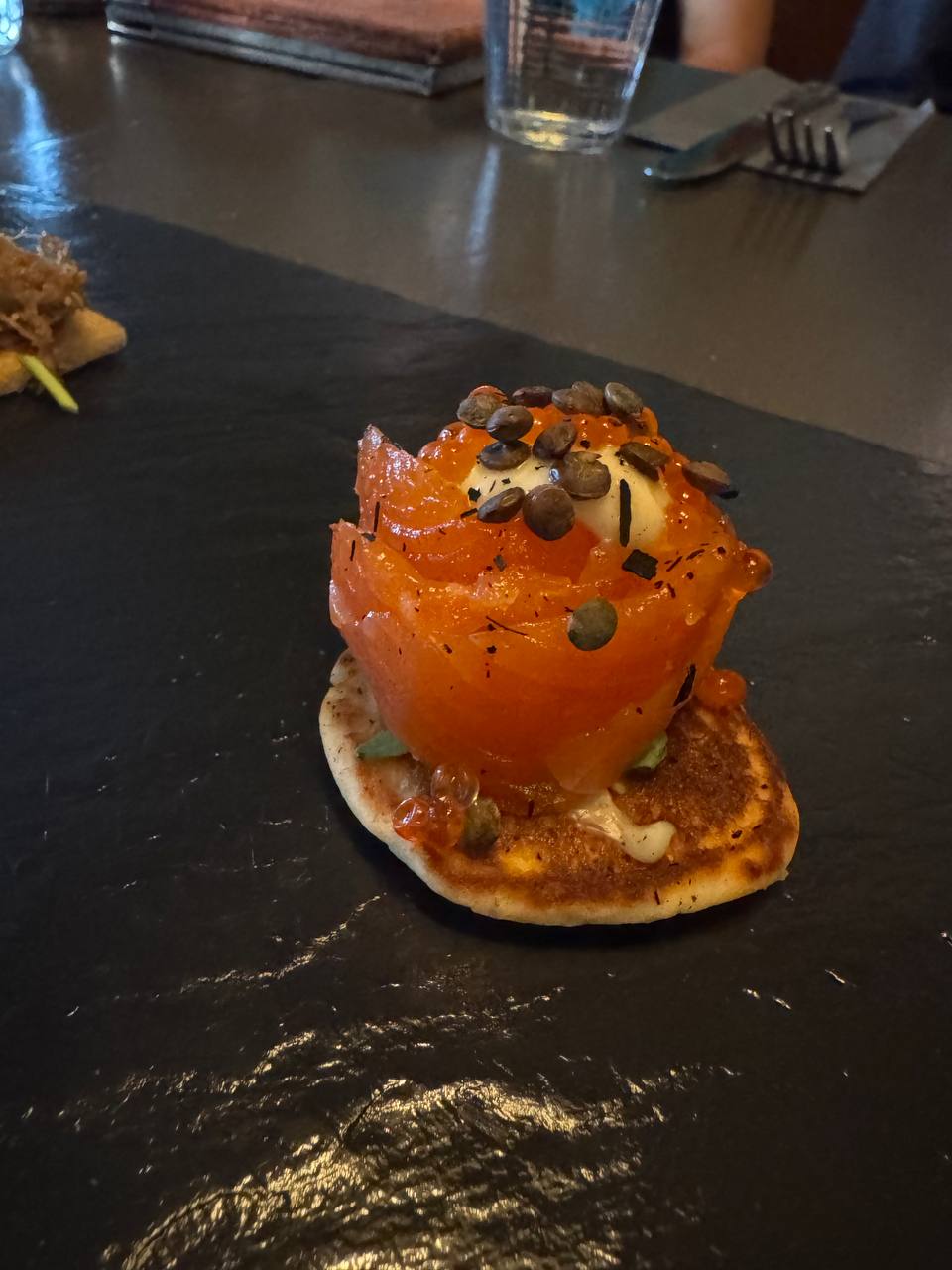 A standard food tour covers 8-13 tastings for 12,000-16,000 ISK per person. Assembling the equivalent independently, ordering separate dishes at 5-7 restaurants, costs significantly more, with one traveler calculating that the same 7 dishes plus drinks would have run around 28,000 ISK ordered individually. The tour also replaces a meal, which changes the day’s overall food spend. On the numbers, the tour often wins.
| Food tour | 8-13 tastings, 5-7 venues, guide included, all food covered | 12,000-16,000 |
| DIY equivalent (restaurant-by-restaurant) | Hot dog, langoustine soup, lamb dish, fish dish, skyr dessert, rye bread, one beer | 22,000-30,000+ |
| Smart DIY (bakery + lunch special + food hall) | Bakery breakfast, lunch special at mid-range restaurant, Grandi Mathöll dinner | 5,000-8,500 |
| DIY fine dining evening | Sit-down dinner at mid-range restaurant, two courses, one drink | 9,000-14,000 |
Prices verified April 2025. ISK figures reflect current Reykjavik restaurant market rates.
The numbers reveal something counterintuitive. A food tour isn’t a premium experience relative to what the same food costs assembled independently. It’s actually closer to the smart DIY day cost than to the full restaurant-by-restaurant equivalent. The reason: tasting portions rather than full orders, no drinks markup, and guide relationships that sometimes secure access or portions not available at walk-in prices.
Where DIY genuinely beats a tour on cost is the fully budget-conscious approach: Bónus supermarket breakfast, a soup-and-bread lunch special, and a food hall dinner. A disciplined traveler working that pattern can eat well for 4,000-6,000 ISK. That’s less than a tour. But it’s also a different experience, without the range of dishes, without the context, without any fermented shark moment, and heavily dependent on knowing which lunch specials are worth ordering and which food hall vendors are worth stopping at.
If you’d rather skip the research and eat with a guide, book the Wake Up Reykjavik Food Tour rather than assembling the stops yourself.
We’ve put together a full food cost breakdown in our is food expensive in Reykjavik tours guide so you know exactly what to expect at every price point from street food to sit-down restaurants.
What Do You Miss When You Eat Independently in Reykjavik?
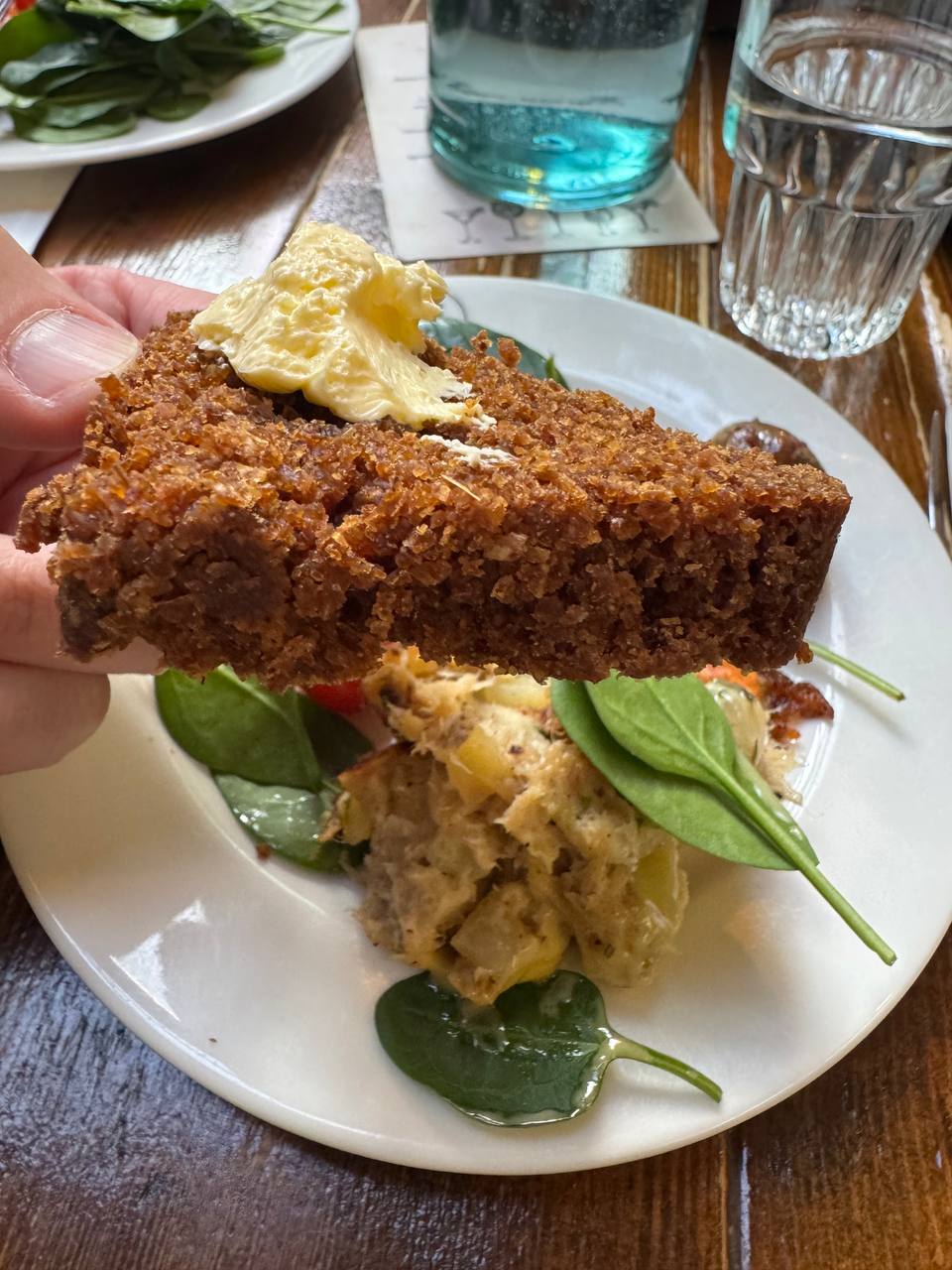 Three things that articles and review sites can’t replace: the story behind the dish, access to venues that don’t market themselves to tourists, and the confidence to try things you’d never order on your own. The most common post-trip regret from independent travelers isn’t a restaurant they missed – it’s context they didn’t have while they were eating.
The story behind the dish matters more here than almost anywhere else. Kjötsúpa isn’t interesting because it’s hearty lamb soup. It’s interesting because every Icelander has a specific memory connected to it, usually tied to their grandmother’s kitchen or a winter afternoon, and a guide who grew up eating it can tell you that while you’re tasting it. The rúgbrauð on the side was baked underground in geothermal earth that’s been heating since long before Iceland was settled by humans. That information changes what you taste. Not metaphorically, either. The same bowl of soup with that context is a different experience from the same bowl of soup without it.
Access is the second gap. The places locals genuinely eat in Reykjavik don’t all have English menus or aggressive TripAdvisor presences. Some are tucked off Laugavegur in streets that a visitor walks past without knowing they’ve missed something. Guides with established relationships at those venues get their groups seated and served in a way that walk-in tourists rarely experience. On a tour, you arrive at a place that knows you’re coming. The kitchen is briefed. The specific portion that suits tasting rather than a full meal has been agreed. None of that exists for a solo visitor who found the same restaurant via Google.
The confidence variable is underrated. Independent travelers in an unfamiliar food culture often default to safe choices. They recognize salmon from home, order a burger because at least they know what it is, and skip the dishes that would have been the best thing they ate on the trip. A guide standing next to you, handing you a piece of harðfiskur with butter and explaining that it’s been a Viking-era snack for over a thousand years, creates a completely different relationship to trying it. The same is true for fermented shark, for dried lamb, for rye bread ice cream. The tour doesn’t just provide access to these things. It provides a reason to try them.
Want to eat well in Reykjavik without defaulting to the same spots every travel blog recommends? Here’s our what to eat in Reykjavik food tours guide so you find the real stuff.
When Does a Food Tour Make More Sense Than Going It Alone?
 A food tour makes clear sense when: it’s your first visit to Reykjavik, you want to try traditional Icelandic food but aren’t sure what to order, you’re arriving on day one and need city orientation alongside your meal, you’re solo and want the social dimension of a small group, or you simply don’t want to spend trip planning time on restaurant research in an expensive city where bad choices cost real money.
First-day logic is the most compelling case. You’ve just arrived. You might be jet-lagged. You don’t know the streets. You don’t know the currency conversion intuitively. You don’t know which restaurants on Laugavegur are worth it and which are coasting on foot traffic. A three-hour food tour solves all of this at once: you eat a proper meal, you learn the city on foot, you meet someone who lives here, and you leave with a mental map built around where to eat and drink for the rest of your stay. Multiple reviews from visitors who did the tour on day one specifically mention that the guide’s recommendations shaped the rest of their entire trip. That’s value that compounds across every subsequent meal.
The solo traveler case is different but equally strong. Sharing eight tastings across five venues with strangers who become temporary travel companions for three hours is a genuinely enjoyable social experience. Multiple people have written about making connections on Reykjavik food tours that lasted the rest of their Iceland trip. A solo dinner at a restaurant, by contrast, is a quieter experience, with no particular reason for conversation with anyone. Neither is wrong, but the tour offers something the restaurant can’t.
For travelers with dietary restrictions, the tour also offers something that independent eating makes difficult: pre-arranged accommodation across every stop. Vegetarian, gluten-free, lactose-free all require separate conversations at each restaurant when you’re going it alone. A tour operator who knows your restrictions in advance briefs every venue before you arrive. You eat confidently rather than interrogating each menu.
We’ve put together a full culinary breakdown in our traditional Icelandic food guide so you know exactly what to try, what to avoid, and what tells you a restaurant is doing it properly.
When Is DIY Eating the Better Choice in Reykjavik?
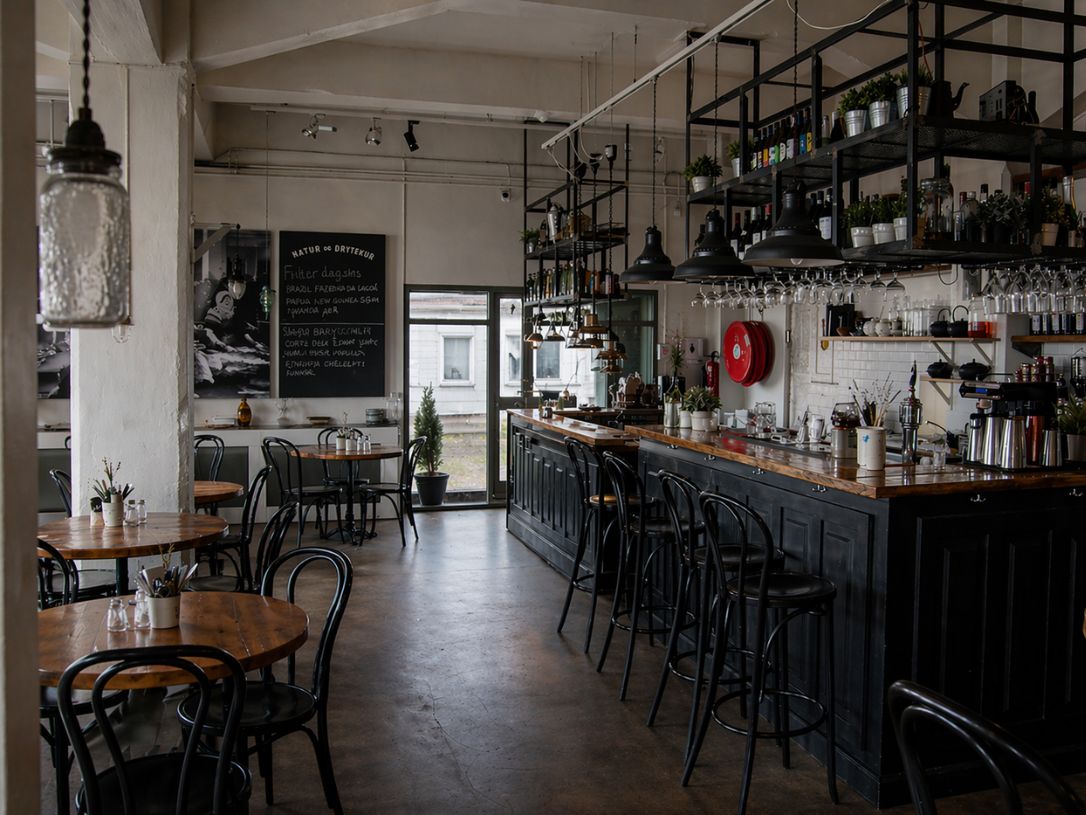 DIY is the better choice for return visitors who already know the city, for travelers who have done deep research before arriving, for anyone who wants complete flexibility and pace, and for people who prefer solitude or dining as a couple without a group around them. It’s also the right choice for specific meals – a long slow lunch at a place you’ve wanted to visit for years, for example – where a tasting format would feel rushed.
Return visitors are the clearest case. If you’ve been to Reykjavik before, eaten your way through the basics, and now have a specific list of restaurants you want to experience, a tour adds nothing you don’t already have. You know which neighbourhood to walk toward, which fish is worth the price this season, how to find Grandi Mathöll, and roughly what the menu at Dill will cost. Independent eating at that point is exactly what it should be: a well-informed person going somewhere specific and eating something they chose deliberately.
Deep pre-trip research can partially replicate the orientation a tour provides. Reading local food guides, cross-referencing what locals actually recommend against TripAdvisor rankings, identifying which lunch specials the good restaurants offer, noting which areas have the best-value eating and which are tourist price traps – all of this is possible, takes a few hours of work, and produces a visit that independent travel genuinely rewards. The honest caveat: most travelers don’t do this research, think they have but haven’t gone deep enough, and arrive with a list of the same three Laugavegur restaurants that appears on every travel blog.
Some meals are better experienced slowly and privately. A reservation at Dill for a full tasting menu, a long dinner with wine at Matur og Drykkur working through heritage Icelandic recipes, an evening at the old harbour eating langoustine with no particular schedule – these experiences don’t belong in a tour format and don’t need one. They benefit from the research and context the tour provides earlier in the trip, but the meal itself is better as a private experience.
What Do First-Timers Get Wrong About Eating Independently in Reykjavik?
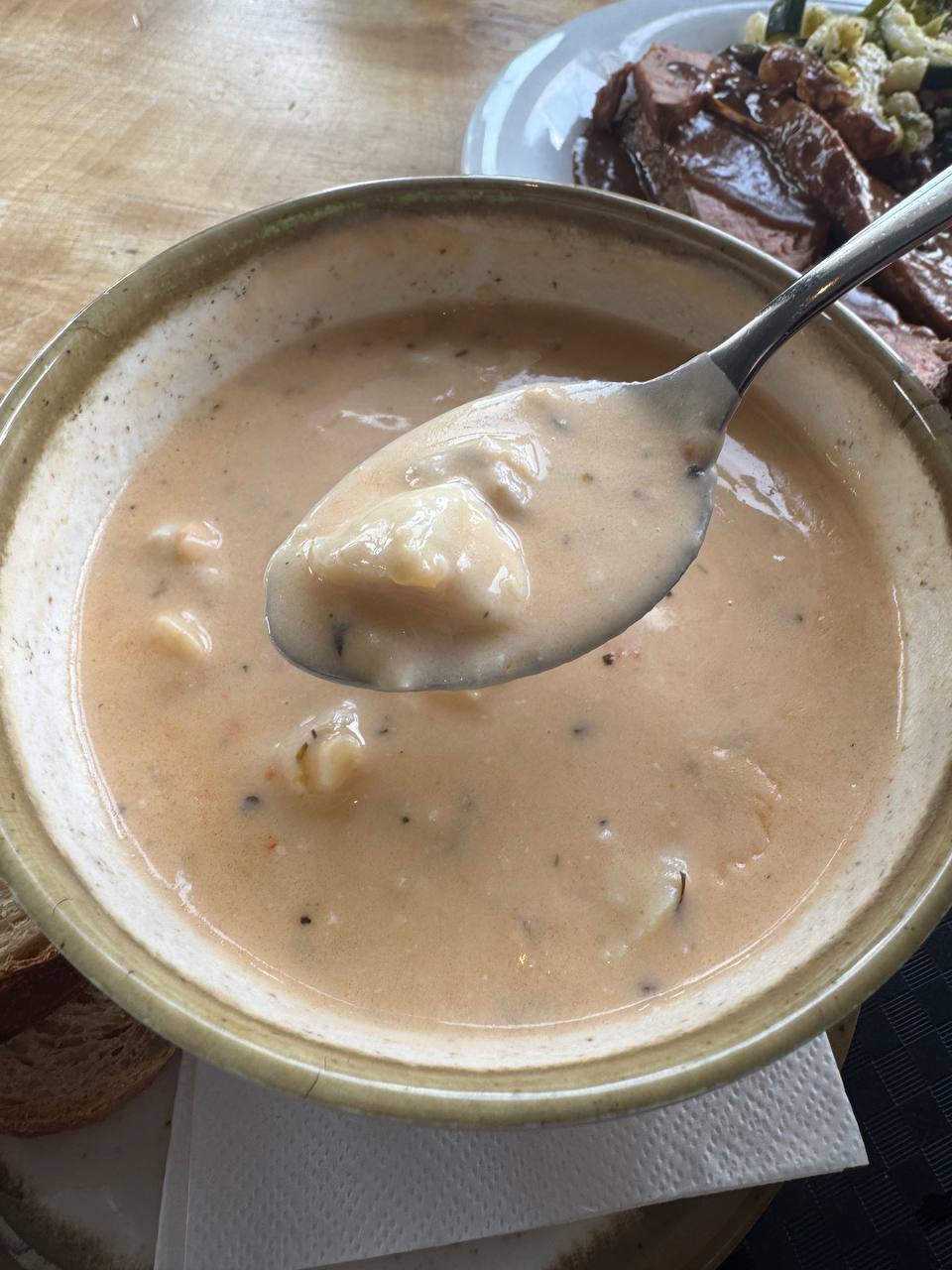 Four consistent patterns: over-relying on TripAdvisor rankings that reflect tourist volume rather than quality, eating in the most visible tourist corridors where prices are highest and local character is lowest, not knowing which traditional dishes are worth their price and which aren’t, and skipping Icelandic food entirely because nothing on the menu looks familiar. All four produce the same outcome: you leave Reykjavik having eaten expensively and not particularly well.
TripAdvisor is not useless, but it rewards volume and visibility more than local authenticity. The restaurants that tourists visit most are the ones that appear most prominently. They’re not necessarily wrong recommendations, but they’re not a map of where people who live here go to eat. Locals in Reykjavik eat at places that don’t need TripAdvisor traffic because their reputation spreads through personal connection. The only way to access those recommendations quickly is through a local who makes them directly.
Tourist corridor pricing is a real pattern. The stretch of restaurants immediately visible from Hallgrímskirkja, the most-photographed block of Laugavegur, and the area immediately around Harpa Concert Hall all charge premiums that the same quality food in a less visible street does not. This isn’t a conspiracy. It’s a basic supply-and-demand outcome in an expensive city. Moving two streets off the main tourist circuit often produces a meaningfully different bill for equivalent food. Not knowing which streets to move toward is the information a tour provides that research approximates but rarely replicates precisely.
The menu unfamiliarity problem is particularly Icelandic. Visitors who arrive without context for the cuisine see menu items they can’t evaluate. Is plokkfiskur worth ordering? Is langoustine soup at Sægreifinn the reason people queue, or is it overhyped? Is the fermented shark option something they should try or something they can ignore? Without context, the conservative choice is to order something recognisable, usually fish and chips or a burger, which is fine but is not why you came to Iceland. A guide strips the unfamiliarity away and gives you the courage to eat the things worth eating.
Want to graze your way through Reykjavik between activities without breaking the budget? Here’s our Icelandic street food to try in Reykjavik guide so you pick the right stops.
Why Does the Guide Make or Break a Reykjavik Food Tour?
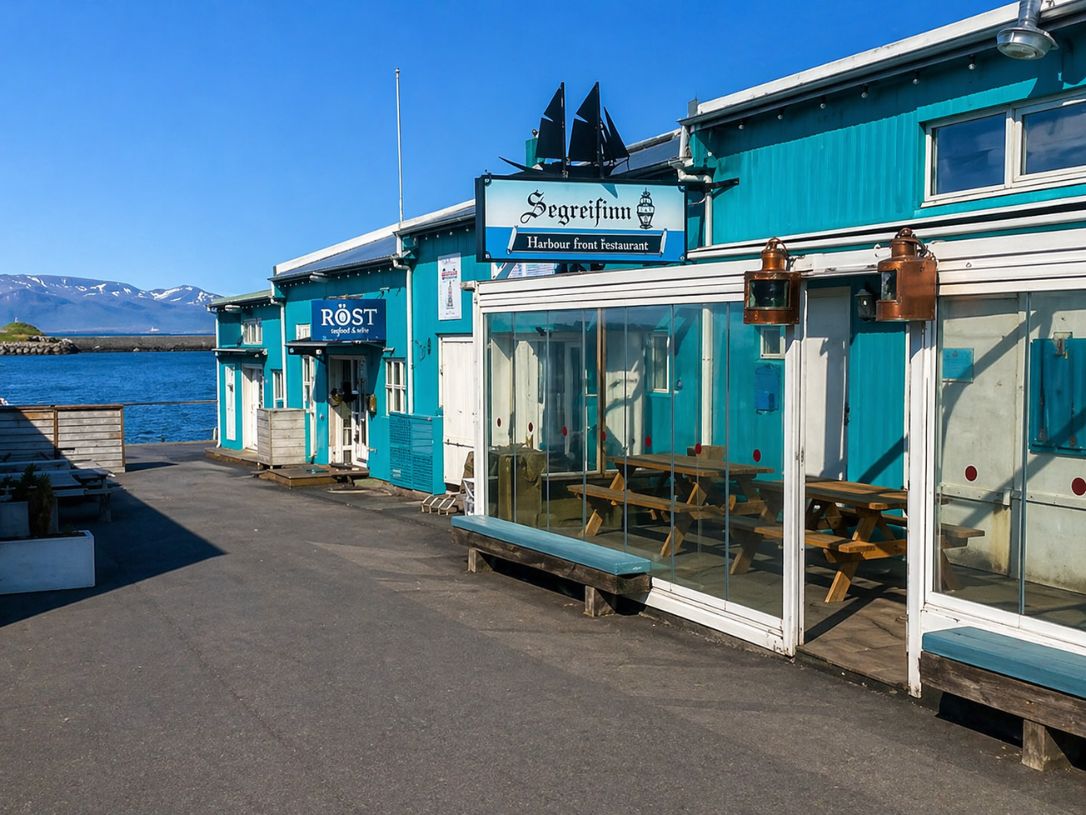 The food on most Reykjavik food tours is broadly similar across operators: pylsur, lamb in some form, langoustine soup, skyr, rye bread, some version of fermented shark. The stops vary somewhat. What varies enormously is the guide, and the guide is the only variable that separates a memorable experience from an expensive queue at five restaurants. Reviews that mention the guide by name are the signal worth tracking before you book.
A guide who grew up in Iceland and has been taking people through this food scene for years carries knowledge that no script replicates. The personal connection to the food is the differentiator. When the guide at Íslenski Barinn holds up a piece of harðfiskur and says this is what their family ate on road trips across the highlands, and then hands you a piece, you’re not eating dried fish. You’re eating something with a story attached. That’s the experience. The dried fish by itself is just protein.
The practical knowledge a good guide carries is also valuable. They know which vendor at the food hall had the best batch of something that week. They know when Sægreifinn is going to be too busy to bring a group and can pivot the route without breaking the pace. They know what to order at each stop because they’ve eaten there dozens of times with different groups and have watched what lands and what doesn’t. None of that is available in a review site. It lives in the guide’s working memory, updated every time they run the route.
When reading reviews before booking, specific guide names repeated across multiple reviews are the strongest signal. Not “the guide was great” but “ask for Stefán” or “our guide Minty was exceptional.” Named recommendations from multiple independent reviewers indicate a guide who makes a consistent and genuine impression, which is the only thing that matters more than the food. The tour format is a delivery mechanism. The guide is the experience.
Iceland’s more unusual food traditions have real cultural roots that most visitors never bother to understand – our weird Icelandic foods and where to try them guide breaks down the history behind the dishes as much as the taste.
We’ve been showing travelers the real Reykjavik food scene since 2014. See the Reykjavik Food & City Walk if you want that format.
How To Judge The Experience For Yourself
Choose on the actual itinerary, duration and included tastings. A guided outing adds local explanation and an organized route; your own priorities and current quotes determine whether it is worth the cost.
Frequently Asked Questions
Is a food tour worth it if I already researched Reykjavik restaurants?
It depends on the depth of the research. If you’ve identified specific neighbourhood spots locals use, know which lunch specials are worth it, understand what distinguishes quality Icelandic lamb from mediocre preparations, and have a working knowledge of the food culture, then a tour adds less. If your research is based primarily on TripAdvisor rankings and travel blogs, a tour will likely show you things your research missed and give you context it couldn’t provide.
Can I do both a food tour and independent eating?
This is the combination most travelers find most satisfying. The tour on day one or two, which orients you to the city, introduces you to the cuisine, and generates a list of specific places to return to independently. Independent eating for the rest of the trip, using the knowledge and confidence the tour built. Most people who’ve tried both approaches say the tour made the independent eating significantly better because they finally knew what to look for.
Is DIY eating cheaper than a food tour in Reykjavik?
It can be, if you approach it strategically: Bónus supermarket for groceries, bakeries for breakfast, lunch specials at mid-range restaurants, and food halls for dinner. A disciplined traveler working this pattern eats well for 4,000-6,000 ISK per day. Assembling the same dishes a tour covers, independently at restaurants, runs 22,000-30,000 ISK or more. The tour at 12,000-16,000 ISK sits between those extremes and covers more ground. Prices verified April 2025.
What’s the best way to use a food tour as a base for independent eating?
Ask your guide for specific recommendations at the end of the tour, not just general ones. Ask which restaurant does the best version of the dish you liked most. Ask which neighbourhood has the best lunch specials that week. Ask what they personally eat when they’re not working. These specific recommendations, coming from someone with current knowledge rather than a static article, are among the most useful information you’ll get during the trip. Write them down immediately.
Do experienced food travelers need a food tour in Reykjavik?
Not necessarily. Experienced food travelers who arrive with deep pre-trip research, a specific list of restaurants worth visiting, and familiarity with Nordic food culture will find independent eating entirely satisfying. The gap a guide fills – cultural context, venue access, the confidence to try unfamiliar things – is smaller when you arrive already knowing what hákarl is, why the lamb tastes the way it does, and which streets to target. For first-timers and most casual travelers, the tour adds substantial value. For deeply prepared food enthusiasts on a return visit, independent eating earns its place.
What should I do if I only have one day in Reykjavik?
With one day, choose a three-hour guided walk if you want food tastings and local context together. Independent hot dogs, bakery stops and a restaurant meal also make a practical day. Choose the format that fits your time, budget and interest in guiding.
Icelandic tour guide since 2014 · Founder, Reykjavik Food Tours
Sigurd has guided over 8,700 travelers through Reykjavik’s food scene since founding the agency.
Make Room For One Food Experience
Reykjavik Food And City Walk
Local food, city history, hot dogs, fish and Icelandic ice cream. Have a travel date in mind? Check the departure before arranging the rest of your food day.
Meet at Harpa main entrance; downtown endpoint varies by departure. Confirm dietary requirements and the final stop with the operator.
Choose a date to check the published Viator schedule. Final availability and price are confirmed on Viator.
Check Dates On ViatorGuided Tastings Or Independent Meals?
Choose an experience and we will check duration and requirements against the verified product details. Allow travel time separately.
Compare Your Own Costs
Enter totals for the same group in one currency. Use your actual DIY meals, not full restaurant portions priced against small tastings.
Add both amounts to compare. Transfers and extra meals are separate.