Winter Food Experience in Iceland
Winter is the best season to eat in Reykjavik - cozy dishes, fewer crowds, and unique food traditions. Discover what to try and when to go.
Winter is arguably the best season to eat in Reykjavik. Restaurants are quieter, service is more attentive, and the food itself tilts toward the kind of warming, hearty cooking that the city does best: kjötsúpa lamb soup, plokkfiskur fish stew, hangikjöt smoked lamb, langoustine soup by the old harbour. The major food event is Þorrablót (late January through mid-February), Iceland’s midwinter feast where the challenging traditional preserved foods – hákarl, svið, hrútspungar – are eaten communally with Brennivín. The best cozy eating runs from dark specialty coffee to warming rye bread to fire-side food hall dinners. Food tours run year-round, and winter tours specifically cover the hearty soup and bread tradition that disappears from menus in summer.
Use the guide to plan independent food stops, or add a guided experience. Lamb soup, traditional tastings and fermented shark with a local guide. Explore The Guided Option
Affiliate links may earn us a commission at no extra cost to you. Restaurant prices in the original guide are dated estimates; confirm current menus.Quick Reference: Winter Food in Iceland at a Glance
| November-December | Early winter, Christmas season, Advent markets | Hangikjöt smoked lamb, laufabrauð leaf bread, jólabjór Christmas beer releases, warming soup season begins |
| January (from ~23rd) | Þorrablót season opens – Bóndadagur (Men’s Day) | Þorramatur feast foods: hákarl, svið, hrútspungar, hangikjöt, harðfiskur, Brennivín |
| February | Þorrablót continues through mid-February, Konudagur (Women’s Day) closes it | Best month for þorramatur restaurant menus; quietest tourism period of the year |
| March 1 | Beer Day (Bjórdagurinn) – beer legalised in 1989 | Craft brewery special releases, bar events, discounted pints across the city |
| All winter | Peak season for cosy indoor eating | Kjötsúpa, plokkfiskur, langoustine soup, skyr, rúgbrauð, hot chocolate, specialty coffee |
All prices and seasonal information verified April 2025.
What Makes Eating in Iceland Different in Winter?
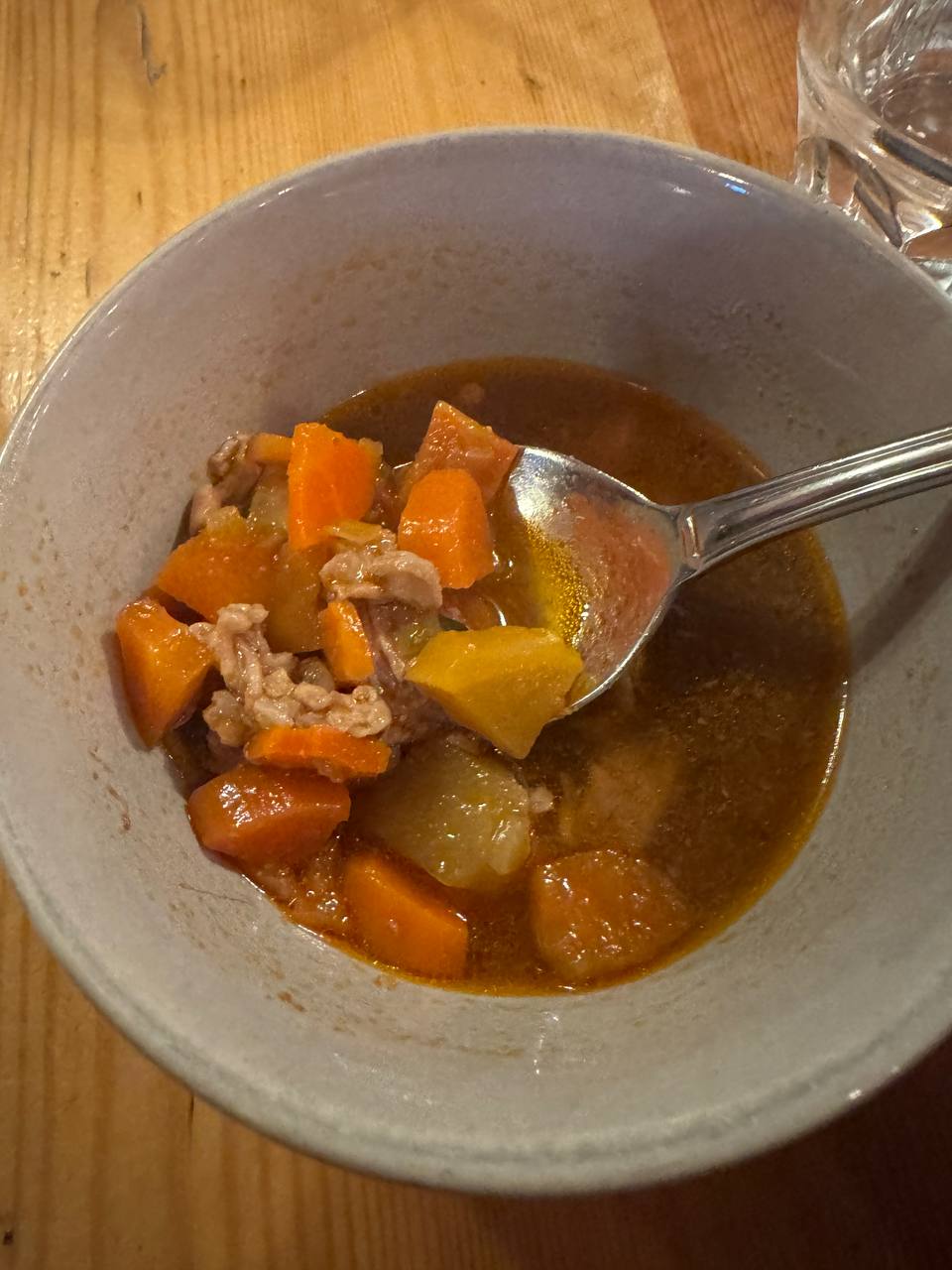 Winter eating in Iceland is different from summer eating in three ways that matter to anyone who cares about food. Restaurants are less crowded, which means better service and more attentive cooking. The seasonal menu tilts toward hearty, preservation-based cooking – soup, smoked lamb, stewed fish, geothermal rye bread that reflects what Icelanders actually eat in the cold months. And the Þorrablót midwinter feast in late January through February offers a food experience that has no summer equivalent: traditional preserved foods eaten communally as a cultural ritual.
The summer tourist surge brings Iceland’s best-known restaurants to capacity. Dill, Matur og Drykkur, Óx, and Skál – the places with genuine culinary ambition – book out weeks ahead during peak season and operate with the controlled intensity of restaurants managing an overwhelming cover count. In winter, those same kitchens serve fewer tables. The food doesn’t change but the pace does, and that affects the experience of eating there more than most people account for when planning a trip.
The food itself shifts. Iceland’s traditional cooking was always about surviving winter, not celebrating summer. Lamb that was smoked over birch and dung fires in autumn. Fish dried in the Arctic wind. Geothermal rye bread buried underground for 24 hours. Fermented shark that had been curing for months. In summer these foods are available but slightly out of register with the season, served to tourists in warm weather. In winter they make sense in a way that’s harder to explain without experiencing. Eating kjötsúpa by candlelight when there are four hours of daylight and snow on the street outside is categorically different from eating it in July.
For visitors choosing between summer and winter for a food-focused trip, winter wins on restaurant quality, traditional food authenticity, and the uniqueness of the Þorrablót experience. It loses on the food tour walking condition – moving between stops in 0-5°C with possible snow and wind is not the same as doing it in a June evening. The Wake Up Reykjavik Food Tour still runs through all of winter, and the indoor stops provide warming respite. But the walking sections deserve layers.
Want to eat well in Reykjavik without defaulting to the same spots every travel blog recommends? Here’s our what to eat in Reykjavik food tours guide so you find the real stuff.
What Traditional Icelandic Winter Foods Should You Try?
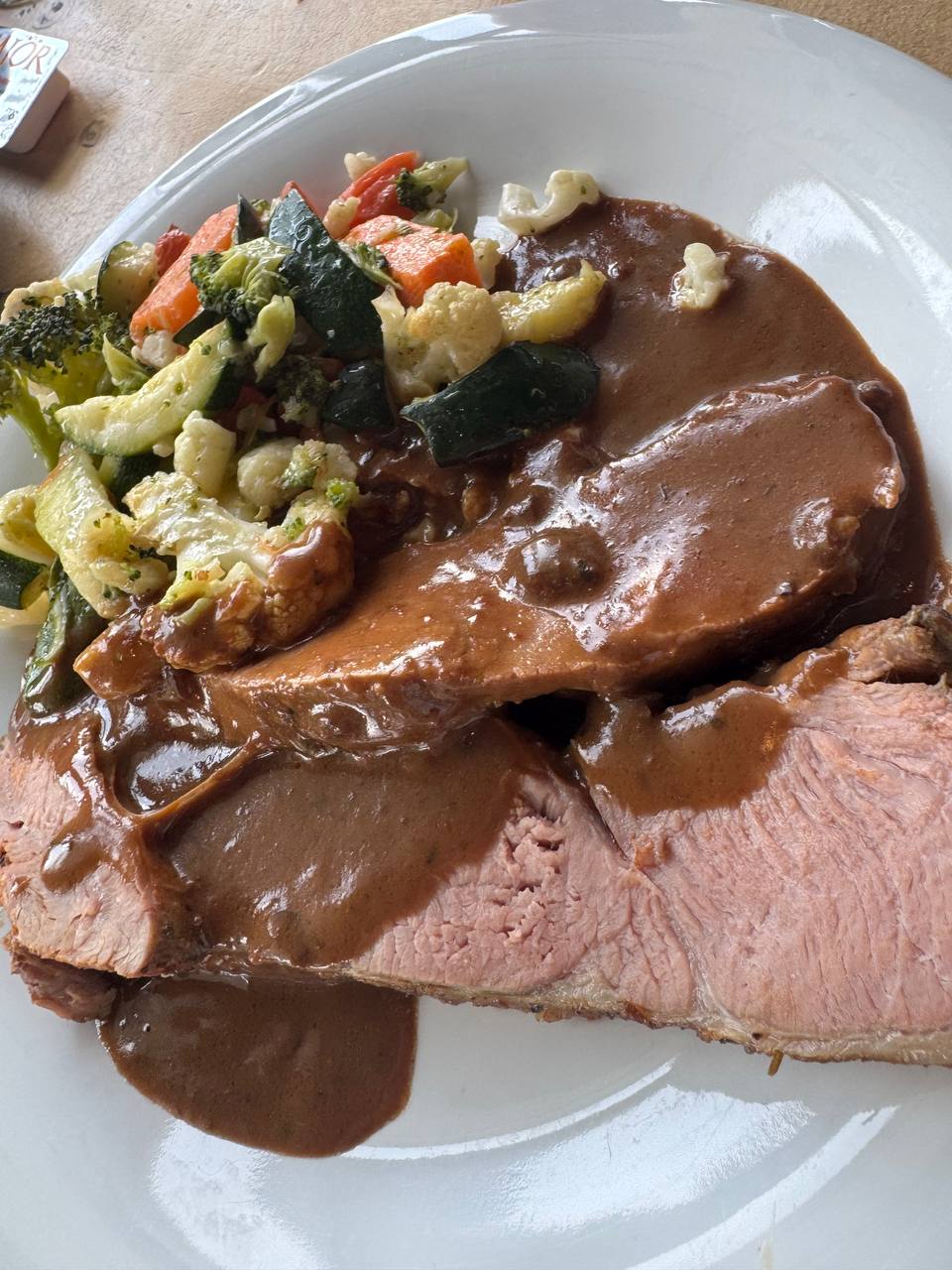 The seven traditional Icelandic winter foods worth knowing are kjötsúpa (lamb and root vegetable soup), plokkfiskur (creamy fish and potato stew), hangikjöt (birch or dung-smoked lamb, the Christmas meat), rúgbrauð (dark geothermal rye bread), harðfiskur (wind-dried white fish with butter), skyr (Iceland’s thick dairy staple), and langoustine soup at the old harbour. These are the foods Icelanders eat in the dark months, and they are at their most seasonal, most meaningful, and most available in winter.
Kjötsúpa is the most distinctly winter Icelandic food that most restaurants will serve year-round but feels most correct from November through March. It’s slow-cooked lamb on the bone with root vegetables – rutabaga, carrots, potatoes, dried herbs – in a broth that builds over hours rather than minutes. The version at Café Loki, directly across from Hallgrímskirkja, is consistently honest: thick, warming, served with rúgbrauð on the side. The version served on the food tour uses the same quality of lamb that makes Icelandic lamb internationally recognisable – free-range, summer-grazed on wild herbs, with a flavour intensity that commercial lamb from other countries rarely achieves.
Hangikjöt is the smoked lamb that defines the Icelandic Christmas table. The name translates to “hung meat,” referring to the traditional method of hanging the lamb to smoke over birch wood or dried sheep dung for weeks. The result is deeply smoky, tender enough to fall apart, and served with boiled potatoes, green peas, and béchamel sauce in its classic December presentation. It’s available in some form year-round at restaurants like Íslenski Barinn and Þrír Frakkar, but the proper Christmas version – with laufabrauð (the leaf-patterned fried flatbread that Icelandic families make together each December) alongside it – only appears at festive menus in late November and December.
Rúgbrauð deserves special mention as a food that is both distinctly Icelandic and genuinely enhanced by the winter context. This dense, slightly sweet dark rye bread is traditionally baked underground in geothermal heat for 24 hours – laugarbrauð, or “hot spring bread.” The texture is almost cake-like. The flavour is malt, molasses, and earth. Café Loki serves it with butter as a standalone dish, as a side to soup, and spectacularly as rye bread ice cream: the bread crumbled through dense Icelandic dairy ice cream. Order that on a cold evening and you’ll understand immediately why this is a thing.
Wondering which traditional foods are still eaten regularly and which ones are mostly kept alive for curious tourists? This traditional Icelandic food guide covers the honest picture most food blogs romanticize.
What Is Þorrablót and Should You Attend One?
 Þorrablót is Iceland’s midwinter feast, held during the Norse month of Þorri from late January through mid-February. It’s a communal celebration of traditional preserved foods – the genuinely challenging ones that represent centuries of winter survival – eaten alongside poetry, storytelling, song, and Brennivín schnapps. For visitors, it’s one of the most distinctive cultural food experiences available anywhere in Europe. You don’t need to enjoy hákarl to benefit from attending. The atmosphere, the history, and the foods you will enjoy make it worth attending regardless of how you feel about the adventurous items.
The timing of Þorrablót follows the old Norse calendar. Þorri, the fourth winter month, begins on the first Friday after January 19 – Bóndadagur (Men’s Day) – and ends roughly four weeks later on Konudagur (Women’s Day) in mid-February. These two dates are Iceland’s version of Valentine’s Day: flowers and small gifts exchanged, affection shown. The feast itself can happen on any weekend during Þorri. In 2026 Þorri began January 23. The formula is consistent year to year: shared platters of þorramatur, Brennivín poured freely, and the social ritual of eating difficult things together and finding it funny.
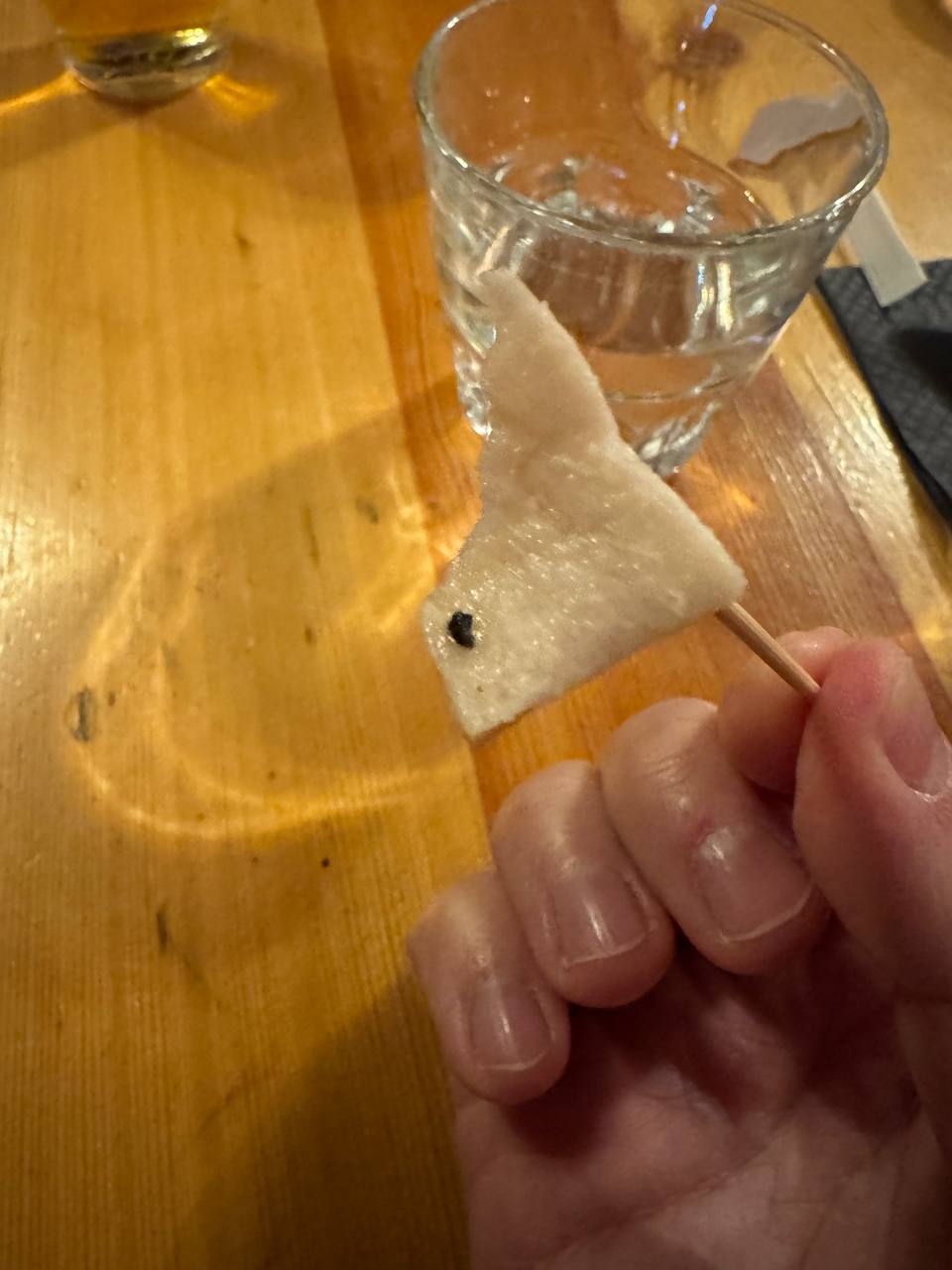
The foods that define þorramatur are worth listing directly because tourist-facing descriptions often soften them into unrecognisability. Hákarl is Greenland shark fermented underground for several months and then dried, it smells powerfully of ammonia and tastes sharper than the smell suggests. Svið is singed sheep’s head, the skull split, the wool burned off, the head boiled and served whole: teeth, eye socket, cheek, tongue. Hrútspungar are pickled rams’ testicles, pressed and soured. Blóðmör is blood pudding made from sheep’s blood and suet. Lifrarpylsa is liver sausage from sheep offal. Alongside these, the more approachable items: hangikjöt smoked lamb, harðfiskur dried fish, rúgbrauð dark rye bread, flatkaka flatbread.
The honest assessment of modern Þorrablót is that most Icelanders attend primarily for the social ritual rather than the food. Many eat small amounts of the challenging items and larger amounts of the hangikjöt and harðfiskur. The hákarl is genuinely acquired – Icelanders who grew up eating it still often describe it with affectionate distaste. The Brennivín is what makes it manageable: a shot of the caraway schnapps alongside the shark is the traditional pairing, and the caraway cuts through the ammonia in a way that nothing else does.
For visitors, the best way to experience Þorrablót is through a restaurant that opens the feast to visitors rather than trying to crash a private event. Café Loki, Íslenski Barinn, Múlakaffi, and Þrír Frakkar in central Reykjavik all run þorramatur menus or sampling plates during the season. Most offer the adventurous items alongside approachable alternatives, so the experience is self-paced. You try what you’re willing to try, you chase it with Brennivín, and you sit in a warm room in the middle of January in Iceland eating the foods that kept people alive here for a thousand years. That’s a food experience available nowhere else on earth.
If you want to understand the full context of what you’re eating at Þorrablót – where these foods come from, what the preservation methods mean, why Brennivín specifically pairs with hákarl – our winter food tours at Reykjavik Food Tours cover the traditional food story with the kind of guide knowledge that turns a strange meal into a meaningful one.
Wondering which fermented, smoked, or otherwise challenging Icelandic foods are actually enjoyable and which ones are an acquired taste even for locals? This weird Icelandic foods and where to try them guide covers the honest verdict on each one.
Which Reykjavik Restaurants Are Best for a Winter Food Experience?
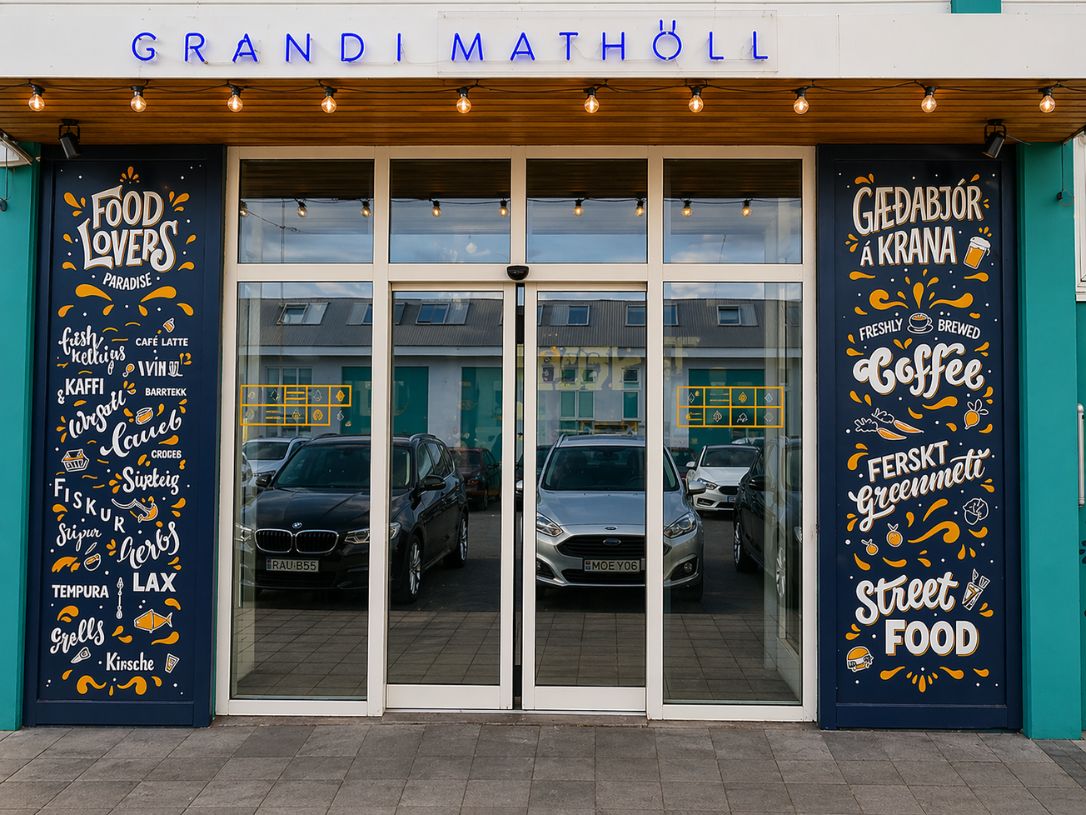
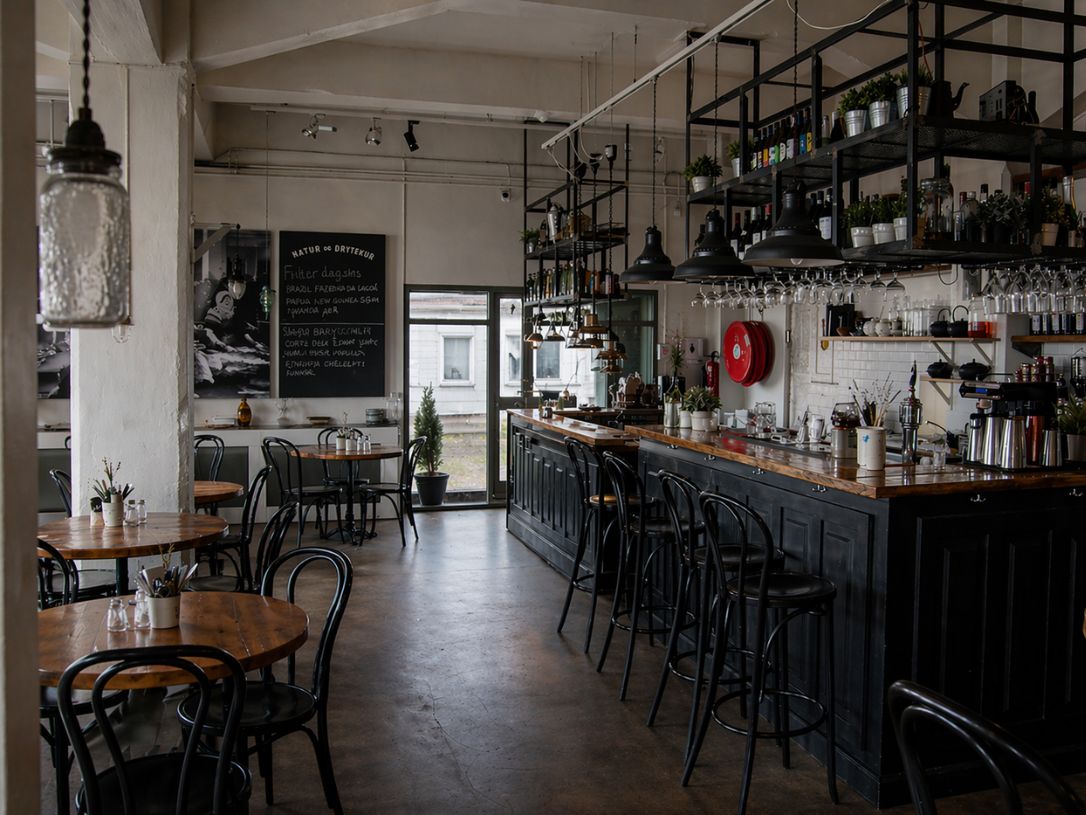 The best winter food restaurants in Reykjavik are the ones that lean into what winter eating actually means here: warmth, hearty cooking, traditional ingredients, and cosy atmosphere. Matur og Drykkur for heritage Icelandic recipes with precision, Café Loki for honest traditional food at honest prices, Þrír Frakkar for 30-year-old Icelandic seafood classics, Sægreifinn for langoustine soup by the harbour, and the food halls (Grandi Mathöll, Hlemmur Mathöll) for warmth, variety, and atmosphere without full restaurant commitment.
| Matur og Drykkur | Heritage recipes, old harbour, Thu-Sun dinner only | Cod’s head soup, seasonal tasting menu | 12,000-20,000 |
| Café Loki | Traditional, honest, directly opposite Hallgrímskirkja | Kjötsúpa, plokkfiskur, rúgbrauð ice cream | 2,500-5,500 |
| Þrír Frakkar | 30+ year Icelandic bistro, classic seafood, warm atmosphere | Fish soup, fried cod cheeks, þorramatur in season | 4,500-9,000 |
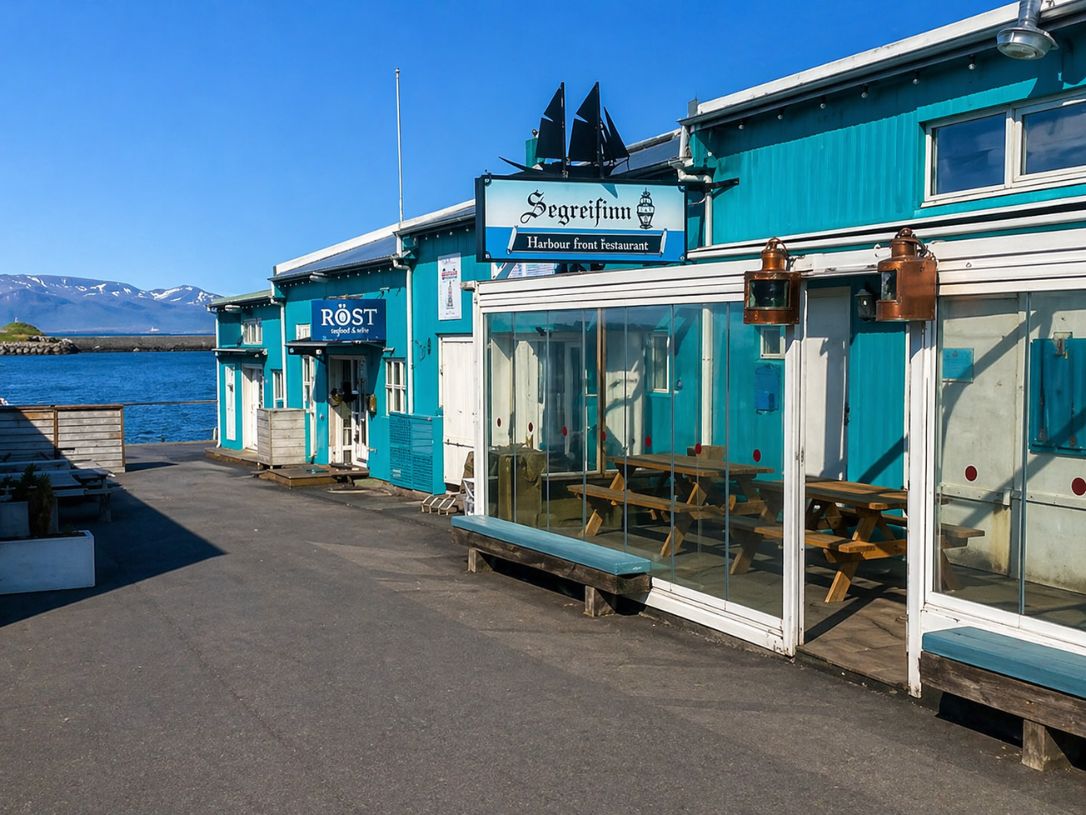
| Sægreifinn (Sea Baron) | Harbour shack, no-frills, legendary soup | Langoustine soup, grilled whale skewers | 1,800-4,500 |
| Íslenski Barinn | Traditional bar-restaurant, runs þorramatur menu in season | Lamb soup, harðfiskur, hákarl tasting in winter | 3,000-7,000 |
| Grandi Mathöll | Converted harbour warehouse, warm communal atmosphere | Fish and chips, varied stalls, local beer | 1,800-3,000 |
| Dill | Iceland’s only Michelin star, winter seasonal menu | Multi-course tasting menu, all Icelandic ingredients | 18,000-25,000+ |
Prices verified April 2025. All winter restaurants require advance booking except food halls and Sægreifinn.
Winter is when Dill’s seasonal menu makes the most sense. The kitchen works with foraged and preserved ingredients, fermented dairy, root vegetables, and fish that are specifically cold-season. A winter evening at Dill – dark outside, clean Nordic interior, multi-course menu built from what Iceland’s landscape currently produces – is a meal that couldn’t happen anywhere else or in any other season. Book six to eight weeks ahead for weekend slots. Weekday slots sometimes become available at shorter notice.
What Is the Best Winter Food Itinerary for Reykjavik?
 The ideal winter food day in Reykjavik starts with specialty coffee and a warm pastry, builds to a hearty lunch at a traditional restaurant or the old harbour, runs a food tour in the afternoon, and ends at a food hall or traditional bar-restaurant for dinner. The structure differs from summer primarily in the earlier darkness: schedule outdoor movement between stops by 2-3pm while daylight holds, and plan the food-heavy portions of the day to be indoors after 4pm.
Morning: Reykjavik Roasters on Kárastígur opens at 8am and is the right start. The specialty coffee is excellent and the atmosphere in winter – small, warm, dark outside, locals arriving before work – captures something that the same café in a July tourist surge doesn’t. The alternative: Brauð and Co on Frakkastígur opens at 6:30am, bakes continuously, and the cinnamon rolls are fresh and warm in a way that’s specifically valued when the temperature is below zero outside. Take the pastry to walk the waterfront briefly, see what the harbour looks like in early winter morning light, and come back inside.
Midday: The food tour runs best from 1pm in winter. The 8-13 tastings cover the hearty seasonal eating across five to seven stops, including the specific winter dishes – soup, smoked lamb, rye bread, harðfiskur – that may not appear on summer tour menus in the same way. The indoor-to-indoor structure of the tour suits winter particularly well: the walking sections between stops are brief, and the warmth of each stop compounds across the afternoon. You finish at around 4pm having eaten a full meal’s worth of Icelandic winter food with historical context attached to every dish.
Evening: The old harbour circuit on foot – Sægreifinn for a bowl of langoustine soup if there’s room, which there often isn’t after the tour – or Grandi Mathöll for a warmer, more social dinner with variety. In January or February, Þrír Frakkar on Baldursgata serves the most honest traditional Icelandic winter dinner in the city: their fish soup is the kind of simple perfection that a 30-year-old Icelandic bistro earns through consistency, not invention. A glass of Kaldi Blonde alongside it, in a warm room while it’s dark and cold outside, is exactly what a winter food experience in Iceland should feel like.
Want to structure your Reykjavik meals into something more intentional than just wandering and hoping for the best? Here’s our Reykjavik food tours itinerary guide so you eat well from day one.
What Are the Best Hot Drinks and Warming Foods for Iceland’s Winter?
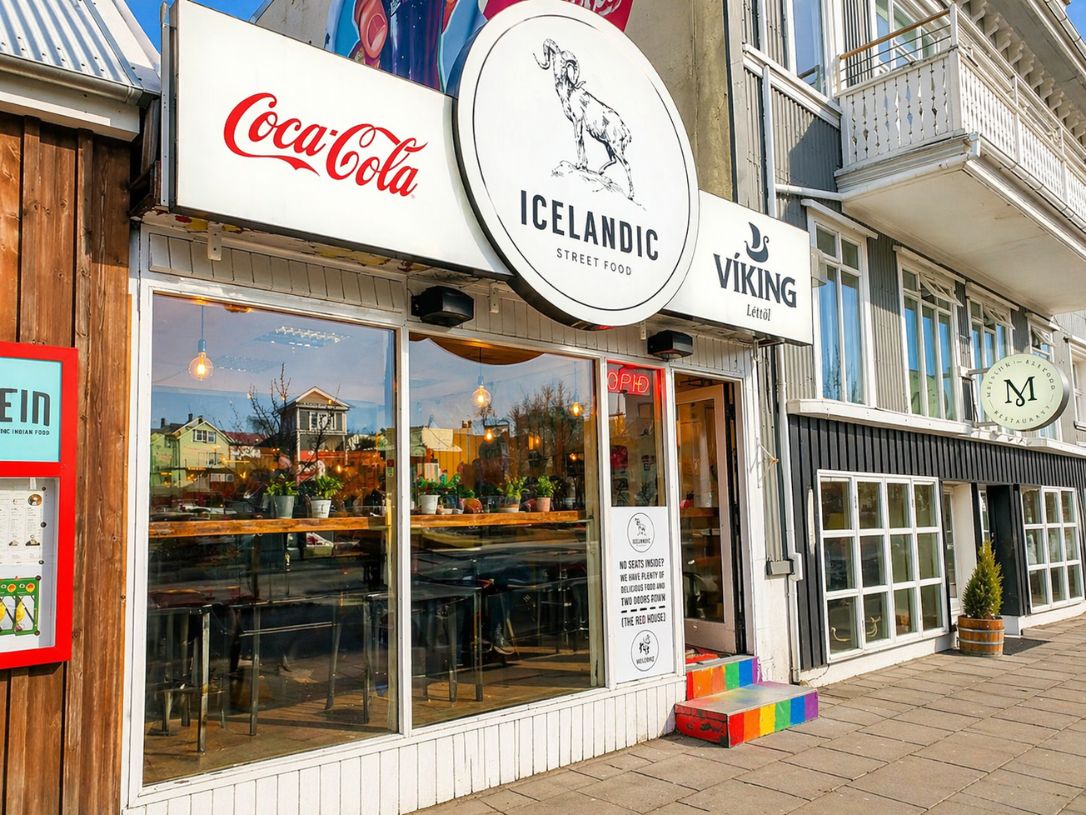 Iceland takes coffee extremely seriously – the country consistently ranks among the highest per-capita coffee consumers in the world, and the café culture is specifically tied to surviving the dark winter months. The best warming drink experiences are Reykjavik Roasters’ specialty coffee, Mokka Kaffi’s Icelandic hot chocolate with waffles (an institution since 1958), and Stofan café’s hot chocolate in a cosy historic brick building near the centre. For food, the warming tier covers Icelandic Street Food’s free-refill lamb soup bread bowl, kjötsúpa at Café Loki, and the entire soup-and-bread-bowl tradition that runs at several small restaurants through the winter.
Mokka Kaffi on Skólavörðustígur is the oldest café in Reykjavik, opened in 1958 by the same family that still runs it. It was the first café in Iceland to install an espresso machine. The wooden booths are unchanged. The waffles – served with Icelandic jam and whipped cream, and the hot chocolate, thick and properly made with Icelandic dairy, are worth the visit for their own sake and for the context of sitting in a room where locals have been warming up from winter for nearly 70 years. There is no music. There is no WiFi. There are regulars who have sat in the same seats for decades, and the faint marks of them on the wooden booths if you look carefully.
Stofan café, in a historic brick building near the centre, has a reputation as the best hot chocolate in the city and a warm, living-room atmosphere that suits a winter afternoon between sightseeing stops. Café Babalú on Skólavörðustígur offers unlimited refills on black coffee and a bohemian atmosphere that makes it a genuine refuge on a dark February afternoon. Both are small, both are warm, both are places where spending two hours over one drink feels normal rather than awkward.
For warming food specifically, the bread bowl soup tradition deserves dedicated mention. Icelandic Street Food on Laugavegur serves lamb soup and fish stew in homemade bread bowls with free refills. Svarta Kaffið a few streets over runs two soups daily, also in bread bowls, for around 1,950 ISK. Both are specifically suited to winter: warming, filling, unglamorous in the best possible way, and genuinely Icelandic in a way that most central restaurant options are not. If you eat one meal in winter that costs under 2,500 ISK, make it a bread bowl soup on a cold afternoon.
Not sure which street food options in Reykjavik are genuinely Icelandic versus just fast food with a Nordic label slapped on? Check out our Icelandic street food to try in Reykjavik guide before you start snacking.
How Does a Food Tour Change in Winter Compared to Summer?
 Winter food tours in Reykjavik differ from summer in five ways: fewer crowds at each stop mean more time with the venue and its people; the seasonal menu includes hearty soups, smoked lamb, and rye bread traditions that don’t feature as prominently in summer; the tour structure prioritises indoor warmth with brief outdoor sections between stops; tour slots are more available so same-week booking is often possible; and in January and February, the tour can include þorramatur tastings and the cultural story of Þorrablót that is simply not available in summer.
The most consistent feedback we receive from winter tour guests compared to summer tours is about the restaurant atmosphere. In July, Sægreifinn has a queue out the door and we sometimes skip it entirely. In February, there’s a table waiting and the guide can spend time explaining how the lobster soup recipe has stayed unchanged for decades, what makes the langoustine sourcing specific to Iceland, and why a tiny green-roofed shack by the harbour has become one of the most trusted seafood experiences in the country. That conversation is possible in winter. It gets absorbed by noise and crowd in summer.
The seasonal food availability in winter also shifts what gets included. Þorramatur items appear on tour menus in January and February when restaurants are actively running Þorrablót-season specials. Hangikjöt smoked lamb features more prominently in November and December when the Christmas smoking season is active. The hot chocolate and warming drink tradition integrates naturally into a winter tour stop in a way that feels out of place in a July afternoon. The food isn’t better in winter, it’s different in ways that are specifically meaningful.
For logistics: winter tour walking sections run between stops in 0-5°C with possible wind and rain. Waterproof layers, a hat, and proper boots are not optional suggestions. The stops themselves are warm and the overall duration is the same three hours. The sensible preparation is the same as any Reykjavik winter activity: dress for the weather between the buildings, not for the temperature inside them.
We’ve been running food tours through every Reykjavik winter since 2014. The Þorrablót season, in particular, is a window into Icelandic food culture that no summer visit can replicate. Book a winter food tour at Reykjavik Food Tours and eat the season properly.
Want to make food a genuine highlight of your Iceland summer trip rather than an afterthought? Here’s our summer food experience in Iceland guide so you eat with more intention.
How To Judge The Experience For Yourself
Choose on the actual itinerary, duration and included tastings. A guided outing adds local explanation and an organized route; your own priorities and current quotes determine whether it is worth the cost.
Frequently Asked Questions
Is winter a good time for food in Reykjavik?
Yes, and for food-focused visitors it may be the best time. Restaurants are quieter, service is more attentive, the seasonal menu tilts toward hearty traditional Icelandic cooking, and the Þorrablót festival in late January through February offers a midwinter feast experience that has no summer equivalent. The trade-off is colder walking conditions between restaurant stops.
What is Þorrablót and when does it happen?
Þorrablót is Iceland’s midwinter feast, held during the Norse month of Þorri from roughly late January through mid-February. It’s a communal celebration of traditional preserved foods – hákarl fermented shark, svið singed sheep’s head, hrútspungar pickled rams’ testicles, hangikjöt smoked lamb, harðfiskur dried fish – eaten alongside Brennivín schnapps, poetry, and storytelling. In 2026 Þorri began January 23. Restaurant versions are accessible to visitors at Café Loki, Íslenski Barinn, Múlakaffi, and Þrír Frakkar in central Reykjavik.
What traditional foods should I eat in Iceland in winter?
The winter food list starts with kjötsúpa (slow-cooked lamb and root vegetable soup), plokkfiskur (creamy fish stew), hangikjöt (birch or dung-smoked lamb), rúgbrauð (geothermal dark rye bread), harðfiskur (wind-dried fish with butter), and langoustine soup at the old harbour. In December, add laufabrauð (Christmas leaf bread) and the Christmas hangikjöt dinner. In January-February, add þorramatur festival foods. All are best in winter because winter is when they were made.
Do food tours run in winter in Reykjavik?
Yes, year-round. Winter food tours run 8-13 tastings across five to seven stops, with indoor warmth at each venue and brief outdoor walking sections between them. In January and February, tours can include þorramatur tastings and the Þorrablót cultural story. Tour slots are more available than in summer – same-week booking is often possible, versus four or more weeks ahead for peak season. Dress for 0-5°C walking conditions between stops.
Where can I try traditional Icelandic hot chocolate in winter?
Mokka Kaffi on Skólavörðustígur, open since 1958, serves thick Icelandic hot chocolate with waffles and jam in unchanged wooden booth surroundings – the definitive version of this tradition. Stofan café has a reputation as the best hot chocolate in the city in a warm brick-building atmosphere. Both are small, both are warm, and both suit a winter afternoon in a way that larger or more tourist-facing cafés don’t replicate.
Is Þorrablót only for Icelanders?
No. Several Reykjavik restaurants open their Þorrablót menus explicitly to visitors during the season. You don’t need an invitation to a private feast – the restaurant versions at Café Loki, Íslenski Barinn, and Þrír Frakkar provide sampling plates of þorramatur with approachable alternatives alongside the challenging items. The cultural context is as available to visitors as to locals, and most Icelanders at a genuine Þorrablót will happily explain what you’re eating if you ask.
Icelandic tour guide since 2014 · Founder, Reykjavik Food Tours
Sigurd has guided over 8,700 travelers through Reykjavik’s food scene since founding the agency.
Make Room For One Food Experience
Traditional Icelandic Food Walk
Lamb soup, traditional tastings and fermented shark with a local guide. Have a travel date in mind? Check the departure before arranging the rest of your food day.
Meet outside Hlöllabátar at Ingólfstorg; finishes at the same square. Hotel transfers and tips excluded. Dietary requests need operator confirmation.
Choose a date to check the published Viator schedule. Final availability and price are confirmed on Viator.
Check Dates On ViatorWhich Walk Fits Your Winter Food Day?
Choose an experience and we will check duration and requirements against the verified product details. Allow travel time separately.
Compare Your Own Costs
Enter totals for the same group in one currency. Use your actual DIY meals, not full restaurant portions priced against small tastings.
Add both amounts to compare. Transfers and extra meals are separate.