Reykjavik Hidden Food Gems
Reykjavik’s best food isn’t hidden - it’s just off the main streets. Discover local spots most tourists miss and where to eat like a local.
The best hidden food in Reykjavik isn’t actually hidden – it’s in the wrong direction from where most tourists walk. Grái Kötturinn basement café on Hverfisgata serves the best breakfast in the city and has no English signage outside. Kaffihús Vesturbæjar in the West End is a neighbourhood bistro in a former pharmacy where locals outnumber visitors ten to one. Ostabúðin on Skólavörðustígur has a tiny back-room lunch counter serving fish of the day that most people walk past thinking it’s only a cheese shop. Búrið in Grandi is an artisan pantry stocking farmhouse Icelandic cheeses, cured meats, and traditional products from small producers across Iceland. Kolaportið flea market on weekends sells harðfiskur, kleinur pastries, horse meat, and Icelandic candy to the locals who live here rather than visiting. None of these require insider access. They require walking one or two streets off the main corridor.
Use the guide to plan independent food stops, or add a guided experience. Local food, city history, hot dogs, fish and Icelandic ice cream. Explore The Guided Option
Affiliate links may earn us a commission at no extra cost to you. Restaurant prices in the original guide are dated estimates; confirm current menus.Quick Reference: Reykjavik Hidden Food Gems at a Glance
| Grái Kötturinn | Basement café, breakfast and lunch only | Basement entrance; no visible signage from street; closes 2:30pm | The Truck (pancakes, bacon, eggs, potatoes, toast) |
| Kaffihús Vesturbæjar | Neighbourhood bistro in former pharmacy | West End location, 15 min walk from main tourist strip | Fish of the day, seasonal lunch specials, brunch on weekends |
| Ostabúðin | Artisan cheese shop with hidden lunch counter | Looks like a shop from outside; back-room café mostly unknown | Fish of the day lunch, Icelandic black gouda, smoked goose |
| Búrið | Artisan Icelandic pantry and cheese shop | Grandi location away from main strip; closed Sun-Mon | Farmhouse cheeses, harðfiskur, Icelandic cured meats, skyr |
| Kolaportið | Weekend flea market with food section | Seen as a craft market; most miss the traditional food stalls | Harðfiskur with butter, kleinur pastries, Icelandic licorice |
| Thai Matstofan | Authentic Thai restaurant in Skeifan district | Industrial location 5 minutes from centre; no tourist foot traffic | Any of the Thai curries; daily specials board |
| Múlakaffi | Staff canteen-style traditional restaurant | No tourist atmosphere; entirely local; lunch only | Traditional lunch of the day; fish or lamb with potatoes |
All prices and venue details verified April 2025.
What Makes a Reykjavik Restaurant a Hidden Gem?
 A genuinely hidden food gem in Reykjavik is a place with high local loyalty and low tourist visibility – not necessarily off the map, but off the route. In a city where tourism has made the main eating corridor (Laugavegur and its immediate side streets) very visible and very expensive, the actual geography of where locals eat is one or two streets away, in the adjacent neighbourhoods, or in the Grandi district that most visitors reach only because they’re going to the whale museum. The hidden gems aren’t secrets. They’re just not where foot traffic leads.
There’s a specific pattern to how tourist food geography works in Reykjavik. Visitors arrive, walk Laugavegur, see the restaurants with English menus posted in windows, and eat at those. The restaurants that depend on local repeat business – the neighbourhood bistros, the basement cafés, the artisan food shops with hidden lunch counters – don’t need to compete for passing foot traffic because their customers walk to them specifically. That’s the distinction that matters. Not quality; most of the tourist-corridor restaurants are competent. But the experience of eating somewhere where the table next to you is full of Icelanders who come every week is categorically different from eating somewhere that filled its evening with visitors who won’t be back for two years.
The neighbourhoods that consistently yield the best non-tourist eating are the same ones: Hverfisgata (one block north of Laugavegur), Vesturbær (the West End, 10-15 minutes walk west of the main strip), and the Grandi and old harbour district. None of these are remote. They require the specific decision to walk away from the visible options rather than toward them. That decision, made once, usually produces a meal worth the minor detour.
One important clarification before this guide continues: some places are hiding in plain sight. Grái Kötturinn is on Hverfisgata, which is not obscure. But the basement entrance with no street-level signage means most people walk past it without knowing it exists. Ostabúðin appears to be a cheese shop and is genuinely also a restaurant. Kolaportið looks like a craft market and has one of the best traditional Icelandic food sections in the city tucked into its back section. Geography isn’t the only thing that makes something hidden.
Want to understand what Icelanders actually eat beyond the tourist menu versions? Here’s our traditional Icelandic food guide so you know what to look for and what to expect.
Which Under-the-Radar Restaurants Do Locals Actually Use?
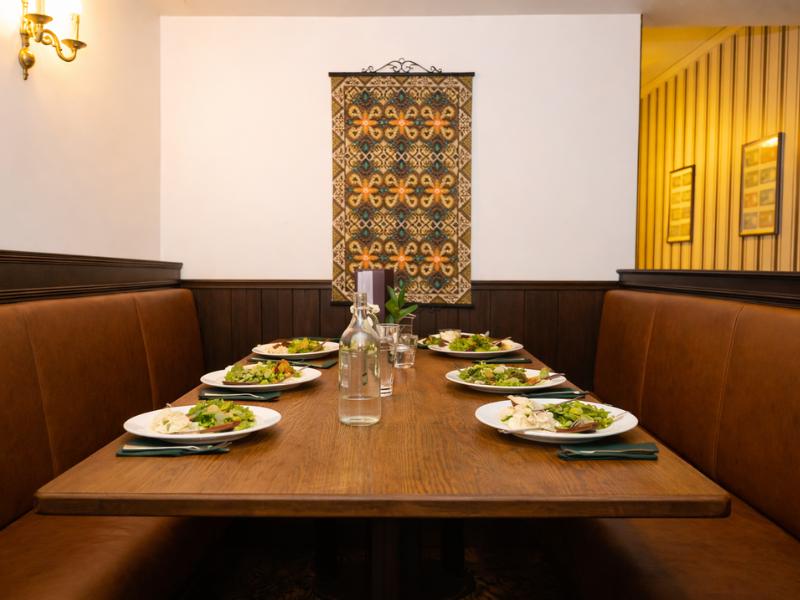
Three restaurants that locals use regularly and tourists consistently overlook: Kaffihús Vesturbæjar in the West End (a neighbourhood bistro in a former pharmacy, opposite the local swimming pool, frequented by artists, actors, and anyone who lives in the western districts), Múlakaffi near the Hlemmur area (the closest thing Reykjavik has to a traditional staff canteen, serving honest Icelandic lunch at honest prices to people who work nearby), and Thai Matstofan in the Skeifan industrial district (a Thai restaurant so local-facing it’s almost entirely unknown to visitors despite being one of the most consistently praised restaurants in the city).
Kaffihús Vesturbæjar occupies a building that was formerly a pharmacy, and the original shelves and marble counter are still there. The kitchen produces fish of the day and changing seasonal dishes on a chalkboard menu that isn’t translated unless you ask nicely. The regulars include the kinds of people who live in western Reykjavik – artists, TV journalists, university lecturers, parents who just came from the swimming pool across the street. On any given weekday lunch, visitors are a small minority. The coffee is excellent. The weekend brunch fills early. Book if you’re going for dinner; the evening service is more serious than the daytime suggests.
Múlakaffi operates on a principle that is essentially invisible to tourists: it is a restaurant for people who work nearby and need a good, fast, honest Icelandic lunch. The format is traditional – a daily menu of fish or lamb with potatoes, skyr to finish, Icelandic coffee, and the prices reflect a lunch-for-workers model rather than a dining-experience-for-visitors model. There is no ambiance to speak of. The food is the point. Local workers and Reykjavik residents who want a proper Icelandic lunch without ceremony have been going here for years. The Þorrablót season makes it particularly worth visiting: Múlakaffi consistently serves one of the most authentic þorramatur spreads in the city during January and February.
Thai Matstofan, in the Skeifan commercial district about five minutes from the city centre by car, has essentially no tourist traffic. The location – an industrial area with no pedestrian tourism – makes it self-selecting: only people who specifically sought it out are there. The Thai food is among the most consistently recommended by Icelanders who eat out regularly, and the gap between its reputation among locals and its near-total absence from tourist guides is one of the most striking in Reykjavik’s food scene. The prices are reasonable, the kitchen is genuine, and if you ask the staff what’s best, they’ll tell you.
Want to eat well in Reykjavik without the eye-watering price tag that comes with most Iceland meals? Here’s our Reykjavik food tours cheap eats guide so you find the good stuff without the damage.
What Are the Best Hidden Bakeries and Cafés in Reykjavik?
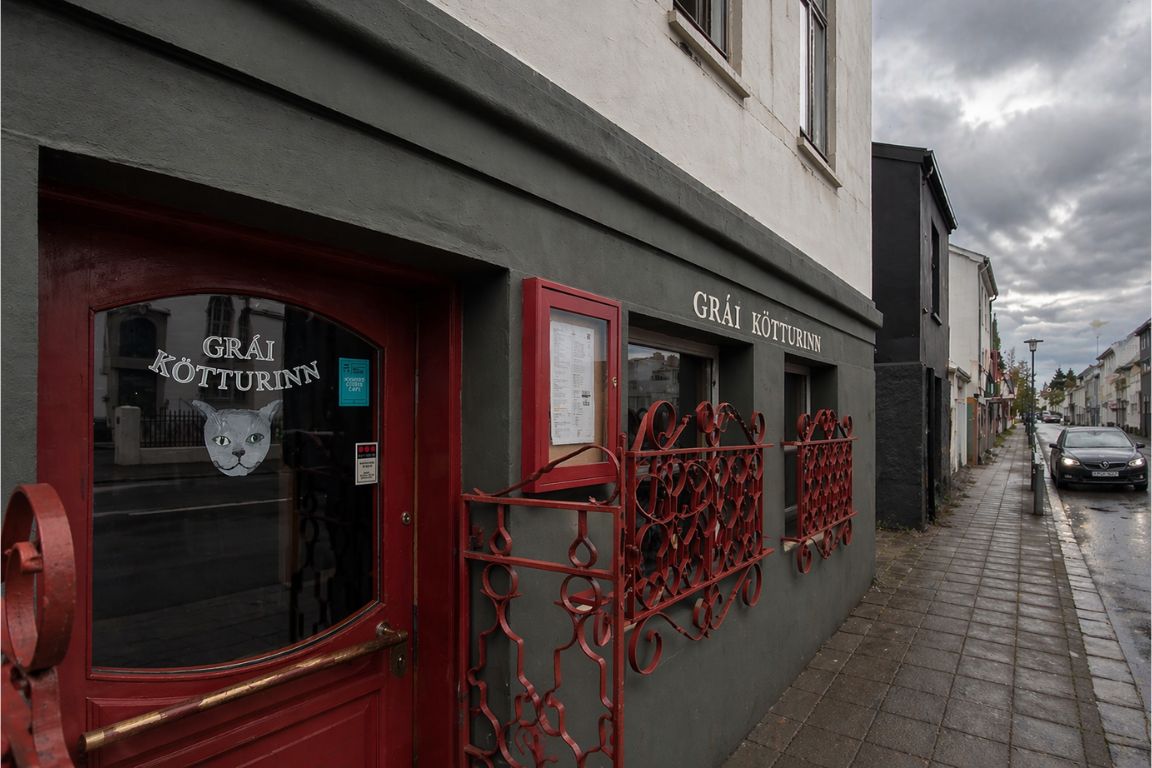 The three hidden bakery and café gems are Grái Kötturinn on Hverfisgata (a basement café that serves the best breakfast in the city to people who know about it, with a line out the door by 9am and no obvious street presence), Kaffi Vinyl on Hverfisgata (a vegan café with vinyl records on the walls that has become a local creative-community institution), and Deig, the vegan bakery-café whose pistachio donuts and sourdough have built a loyal following since opening. All three are within easy walking distance of the tourist corridor but somehow remain largely off its radar.
Grái Kötturinn (The Grey Cat) is a semi-basement café on Hverfisgata 16a that has been open since 1997. The entrance is slightly below street level, with minimal signage. The interior is small – a handful of tables, bookshelves filling every available wall, a kitchen that produces food with genuine care. The signature dish is The Truck: American-style pancakes, bacon, fried eggs, tomatoes, fried potatoes, and toast, built for the kind of hunger that a cold Reykjavik morning creates. Everything is made in-house – the bread, the tuna salad, the hummus. The coffee is strong and taken seriously. It opens at 8am and the kitchen closes at 2pm. If you arrive after 10am on a weekend, you will wait for a table. The wait is worth it.
Kaffi Vinyl on Hverfisgata 76 is fully plant-based, plays vinyl records continuously, and has become the specific gathering place for Reykjavik’s creative and artistic communities. The combination of good coffee, genuinely good food, and a relaxed atmosphere that doesn’t feel designed for tourists has made it a fixture for people who live and work in the area. The brunch menu changes and the desserts are worth the trip alone. It is, by any reasonable measure, one of the most characterful cafés in the city and appears on essentially no tourist-facing list.
Deig deserves mention separately because it represents a newer category of hidden gem: a bakery that became beloved locally before anyone wrote about it externally. The pistachio donut has developed the kind of word-of-mouth that moves through Reykjavik’s food community faster than any review. The sourdough and pastries are consistently excellent. The vegan commitment means the product quality has to be substantive rather than reliant on butter and dairy for richness. It’s a shop worth knowing about, and worth visiting before the tourist guides catch up with the reality on the ground.
Wondering which quick bites give you the most authentic taste of Icelandic food culture without a full sit-down meal? This Icelandic street food to try in Reykjavik guide covers the casual eating options most food tours skip over.
Which Food Halls Have Hidden Gems Most Tourists Miss?
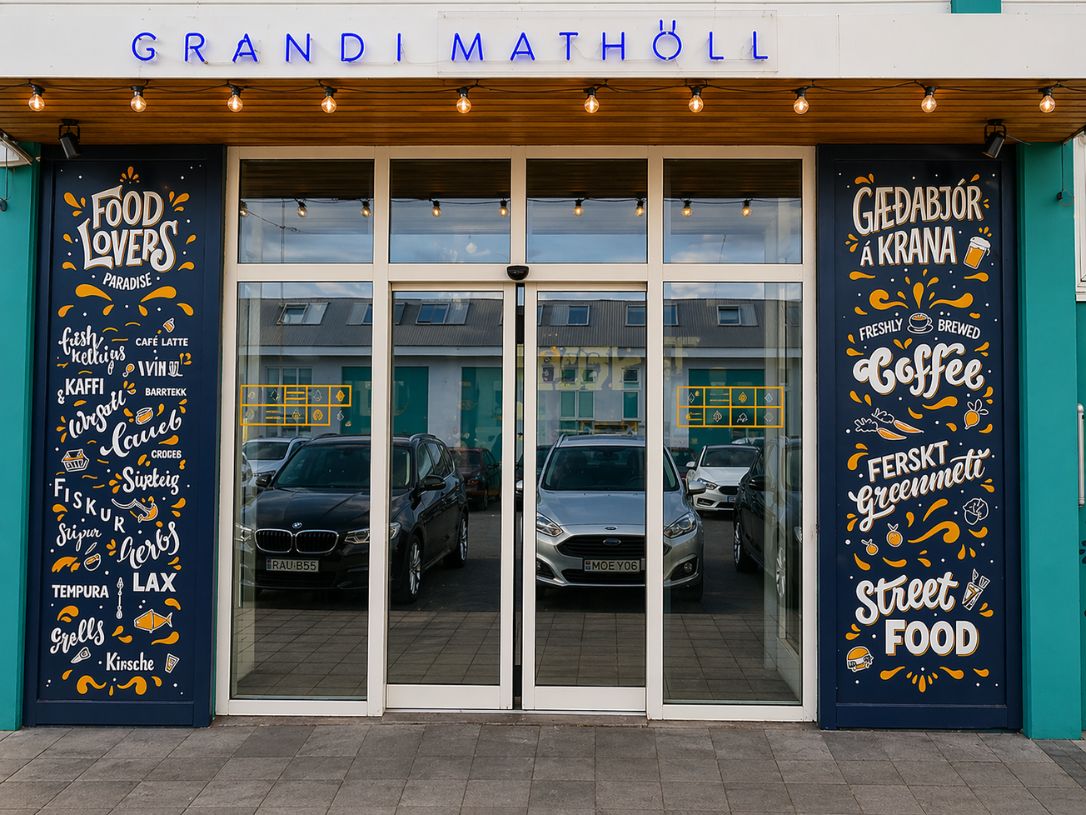 Both major food halls have sections that most visitors either miss entirely or overlook in favour of obvious options. In Grandi Mathöll, the Indonesian and Indian stalls at the back of the hall are consistently outperforming the more visible front vendors on value and quality – most people walk in and order from the first stall they see rather than doing a lap. In Hlemmur Mathöll, the natural wine counter at Kröst and the less-visited cheese and charcuterie stalls deliver an entirely different experience than the busier taco and pizza options at the front.
Grandi Mathöll‘s layout rewards a full circuit before ordering. The hall runs lengthwise in a converted warehouse, and the back-section Asian stalls – Indonesian and South Asian vendors specifically – have developed strong local loyalty among people who eat there regularly. The Indonesian stall’s rice bowls and the Indian stall’s curries with fresh naan are generous, well-priced (1,800-2,800 ISK), and represent among the best value eating in the Grandi district. The fish and chips from the Icelandic stall near the entrance get all the attention; the back-section stalls deserve equal time.
Hlemmur Mathöll, the older food hall at Laugavegur 107, has an outer ring of vendors and an inner seating area that creates natural visibility for the front stalls. Kröst, the natural wine and charcuterie bar tucked into one section of the hall, is bypassed by most visitors who see it as a bar rather than a food stop. It functions as a bar with very good small plates: cured meats, bread, cheese, rotating wine selections. Treating it as an early evening food stop rather than a late drinking destination is the correct approach and one that mainly locals know about.
There’s also a structural hidden gem in both halls that’s easy to miss: the daily specials. Both Grandi Mathöll and Hlemmur Mathöll vendors often run midweek specials not listed on the standard menu boards. Asking at each stall what’s special that day – in any food hall in any city – usually reveals the kitchen’s actual priorities and often produces the best value meal available. In Reykjavik’s food halls, this is specifically worth doing because the vendors rotate seasonal ingredients based on what the harbour brought in and what’s available from Icelandic farms.
What Are the Best Secret Lunch Spots in Reykjavik?
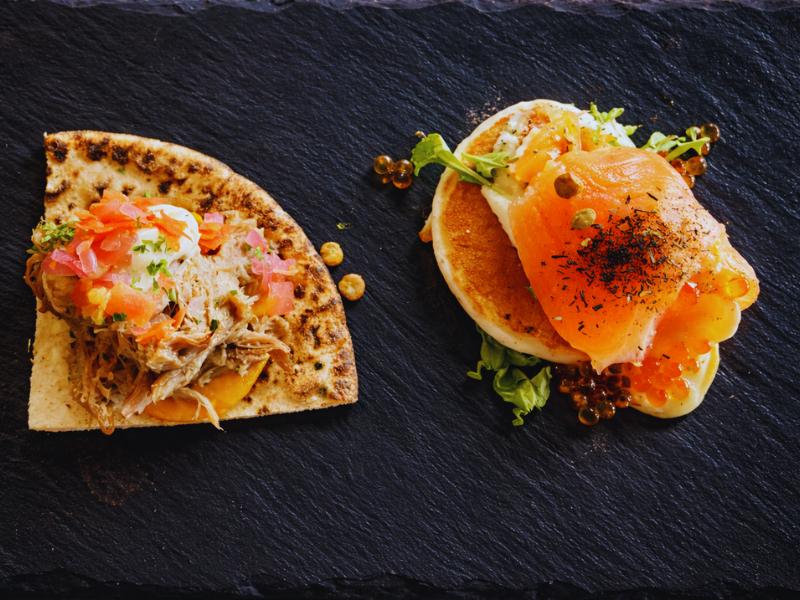
The three best lunch spots that most visitors never find are Ostabúðin’s back-room café on Skólavörðustígur (a gourmet cheese and charcuterie shop with a hidden lunch counter serving fish of the day – looks like a shop from the street, runs one of the best-value lunches in the city), Múlakaffi near Hlemmur (traditional Icelandic lunch served fast and honestly to local workers), and Svarta Kaffið on Laugavegur (two soups daily in bread bowls, an entirely honest operation that appears on no “best of” list but fills tables with locals who walk there specifically for the soup).
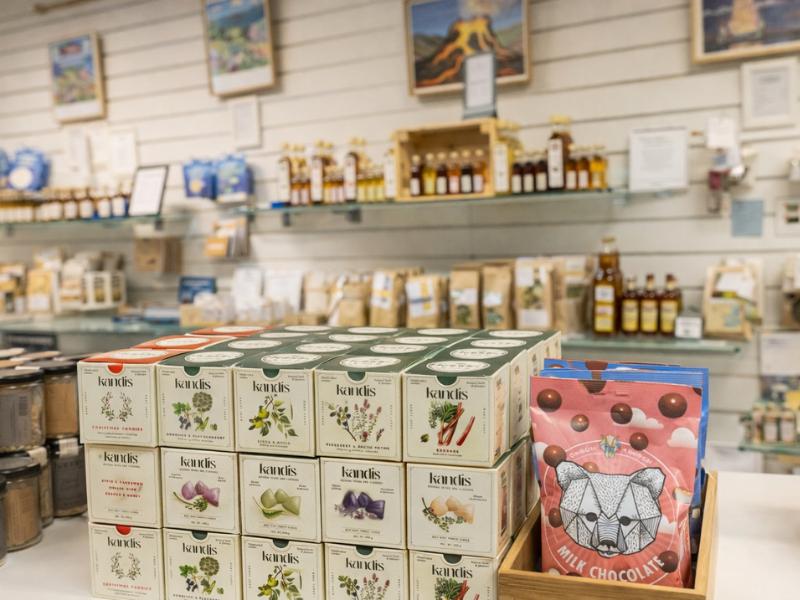
Ostabúðin on Skólavörðustígur 20a presents itself as a gourmet food shop, and it is. The front section has an extraordinary selection of Icelandic cheeses (black gouda, gold cheese with white mold that functions like a brie, aged blue), house-cured and smoked meats including goose breast, goose liver pate, cured lamb, smoked salmon, and four types of Icelandic salami. Most visitors buy something to take away and leave. The back counter, past the shelves of specialty oils and artisanal condiments, serves a small lunch menu that changes daily. The fish of the day here is consistently cited as among the best value in central Reykjavik by people who work in the neighbourhood. The lunch trade is almost entirely local. Most tourists never see it.
Svarta Kaffið on Laugavegur 54 has the shortest menu of any restaurant in the city: two soups, daily selection, served in homemade bread bowls at around 1,950 ISK. The soups rotate. The bread bowls are part of the meal. There are no reservations, no waitstaff taking orders from a menu, no decision process. You walk in, you sit, you tell them which soup. People who live nearby eat here as a reliable affordable lunch option multiple times a week. The fact that this exists on Laugavegur itself and still operates as a genuinely local spot speaks to how effectively a minimal, no-frills format filters out visitors looking for a fuller dining experience.
The lunch special system (dagblað or dagsrétt) discussed elsewhere in this series functions as a hidden gem of its own. Any restaurant running a midday special at 2,000-3,000 ISK is offering the same food as their 6,000-9,000 ISK dinner at a fraction of the price. Looking for chalkboard signs near restaurant entrances between 11:30am and 2pm, particularly on Hverfisgata and in the Grandi district, yields a rotating set of the best lunch deals in the city that are invisible unless you know to look for them.
What Hidden Food Experiences Can You Only Find with a Local Guide?
 Three food experiences in Reykjavik are essentially inaccessible without a local guide: the specific vendor at Kolaportið who will let you taste before you buy and explain where the harðfiskur came from, the back-room ordering ritual at restaurants that don’t list their daily specials anywhere visible, and the kind of contextual knowledge that makes eating fermented shark with Brennivín at the right spot at the right moment feel like a cultural experience rather than a tourist dare. A guide doesn’t just show you where the food is. A guide makes what the food means accessible.
The Kolaportið flea market operates on weekend mornings with vendors who are primarily selling to locals they know. The food stalls – harðfiskur dried fish, kleinur pastries, traditional Icelandic candy, fermented shark, flatbread – are staffed by people who’ve been selling the same products for years. A visitor wandering through, not knowing what they’re looking at, will see strange-smelling plastic containers and move on. A guide who knows the vendor, asks them to explain, and takes you through a tasting of harðfiskur with butter as Icelanders eat it, followed by a cube of hákarl with the Brennivín chaser in the context of why these foods exist that’s a food education that no restaurant replicates.
We’ve put together a full culinary breakdown in our what to eat in Reykjavik food tours guide so you know exactly what to order, where to find it, and which guided experiences are worth booking.
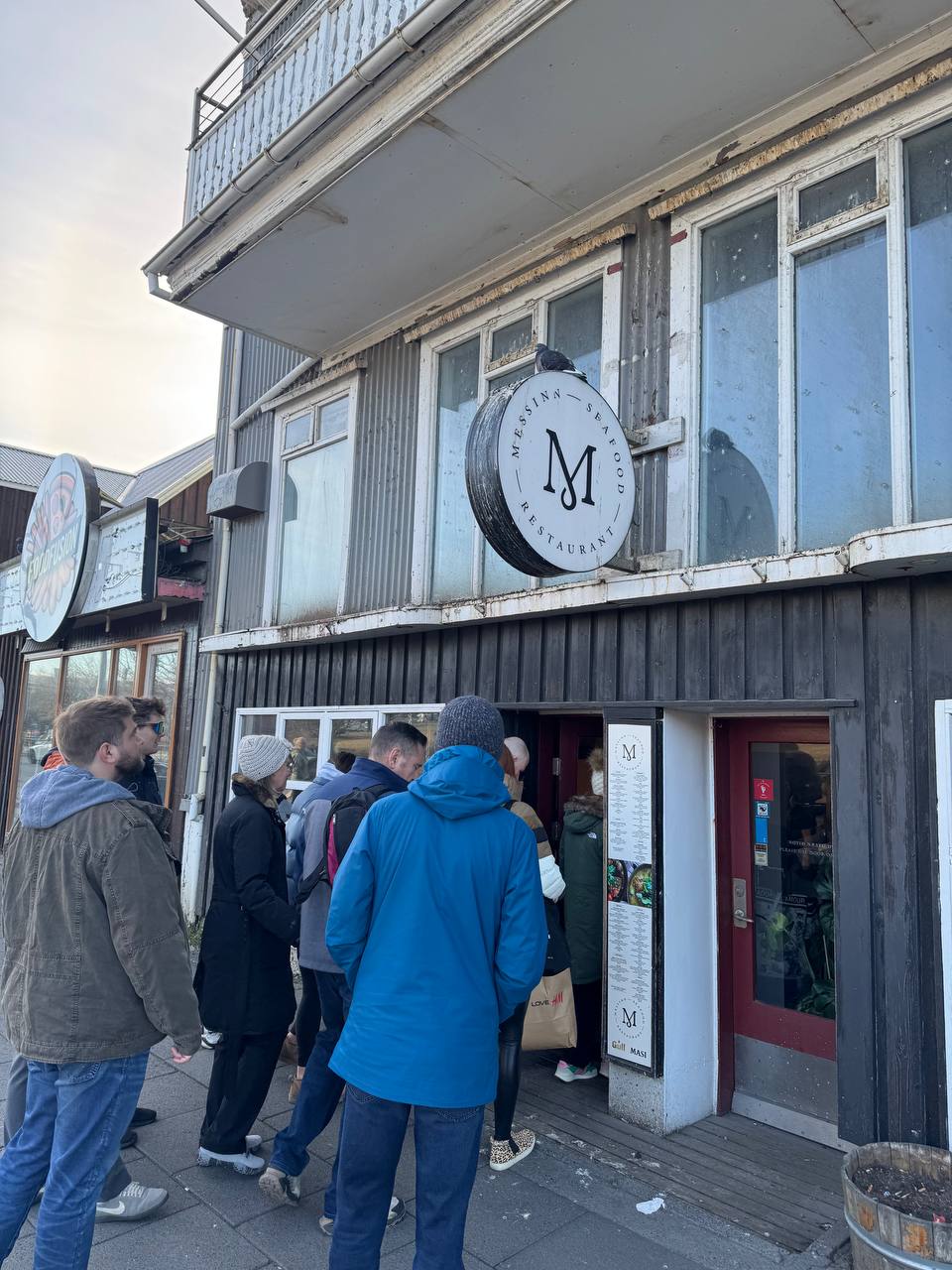
The unlisted specials phenomenon is pervasive in Reykjavik. Restaurants that run daily fish and lamb preparations based on the morning’s catch or what the farm delivered don’t always put those on a menu. The guide who has been in these restaurants three times a week for ten years knows to ask. The traveler who has been in the country for two days doesn’t know that asking is possible. At Messinn, at Sægreifinn, at the smaller neighbourhood spots on Hverfisgata, the interaction between a guide and the kitchen often surfaces a dish or preparation that isn’t on any written menu and would have been eaten only by the staff that evening otherwise.
The fermented shark experience specifically deserves a guide. Not because hákarl is technically difficult to find – it’s in Bónus supermarkets in plastic containers, but because eating it without context is just unpleasant, and eating it with the full story of why Greenland shark was cured this way (the fresh meat is toxic; months of fermentation make it safe), the history of Þorrablót, the specific pairing with Brennivín caraway schnapps, and a guide who has eaten it a thousand times and can read your reaction and respond to it that’s when the experience becomes genuinely memorable rather than just challenging.
We've been building these specific local connections since 2014, and they are the backbone of the Reykjavik Food & City Walk. Every Reykjavik Food Tours guide is a local who eats in this city every day. The hidden gems on the Reykjavik Food & City Walk are hidden because they require someone who knows where to look and what to say when they get there.
Want to eat something in Iceland that you genuinely can’t get anywhere else? Here’s our weird Icelandic foods and where to try them guide so you find the real stuff.
How Do You Find Hidden Food Gems in Reykjavik on Your Own?
Four methods that consistently work: walk Hverfisgata instead of Laugavegur (parallel street, one block north, dramatically different ratio of local to tourist restaurants), ask your food tour guide specifically for the three places they’d eat if they had a day off in the city, go to Kolaportið on a Saturday or Sunday morning before noon, and follow the lunch special chalkboards between 11:30am and 2pm rather than menus. All four produce results without requiring any special local knowledge beyond the methods themselves.
The Hverfisgata principle is the most reliably productive: walk the parallel street. Laugavegur has high visibility and high prices because foot traffic finds it automatically. Hverfisgata, one block north, runs parallel and has a completely different eating ecology. Mat Bar, Dill, Kaffi Vinyl, Grái Kötturinn, Þrír Frakkar, and several other excellent restaurants are all on or immediately adjacent to Hverfisgata. The tourist density drops noticeably. The food quality in most cases improves or stays the same. Making this switch for even one meal per day produces a materially different eating experience of the city.
The food tour guide question is specific and worth asking literally: “If you had a free afternoon in this city with no agenda, where would you eat?” Not “what’s your favourite restaurant” that produces the same answers as any list. The specific framing of a free afternoon without obligation surfaces the actual local choices: the cheap soup place near someone’s flat, the bakery on the way home, the neighbourhood café where the owner knows their order. Every guide has these places. They usually aren’t on any top-ten list.
Kolaportið before noon on a Saturday is when the food stalls are at their freshest and the locals who come specifically for food are most present. The building at Tryggvagata 19 by the harbour is the former customs house, open Saturday and Sunday 11am to 5pm. The food section runs along one side and includes harðfiskur in multiple preparations, kleinur Icelandic doughnuts, traditional flatbrauð, Icelandic candy (the licorice culture here deserves its own guide), and occasionally seasonal items that appear nowhere else in the city. Bring cash; not all vendors take cards.
The lunch special chalkboard method requires only knowing that the word “dagblað” or “dagsrétt” means meal of the day, and that any restaurant displaying one in its window between 11:30am and 2pm is offering the same kitchen at 40-60% of the evening price. Walking Hverfisgata and the streets between it and the harbour at midday, looking for these boards, produces a rotating set of lunch options that changes daily and represents some of the best-value eating available anywhere in the city. No list of hidden gems stays current for more than a few weeks. This method self-updates.
The gap between a guided food experience and going solo in Reykjavik is bigger than most people expect – our Reykjavik food tour vs DIY eating guide breaks down what you actually gain and lose with each option.
How To Judge The Experience For Yourself
Choose on the actual itinerary, duration and included tastings. A guided outing adds local explanation and an organized route; your own priorities and current quotes determine whether it is worth the cost.
Frequently Asked Questions
Where do locals actually eat in Reykjavik?
On Hverfisgata and its side streets rather than Laugavegur. In the West End at places like Kaffihús Vesturbæjar. At Múlakaffi for an honest traditional lunch. At Ostabúðin’s back-room counter. At Kolaportið on weekends for traditional food products. At whichever neighbourhood café is two streets from where they live. The pattern is consistent: one or two blocks off the main tourist corridor, in the direction that doesn’t have visible English-language signage.
What is Grái Kötturinn and why is it special?
Grái Kötturinn (The Grey Cat) is a semi-basement café on Hverfisgata 16a that has been serving breakfast and lunch since 1997. The entrance is slightly below street level with minimal exterior signage – most people walk past it without knowing it exists. Inside: a handful of tables, wall-to-wall bookshelves, and a kitchen that makes everything in-house. The signature dish, The Truck, is American-style pancakes, bacon, fried eggs, tomatoes, fried potatoes, and toast. It opens at 8am and the kitchen closes at 2pm. Come before 9am or expect to wait.
What is Ostabúðin and what’s hidden about it?
Ostabúðin on Skólavörðustígur 20a is a gourmet cheese and charcuterie shop – visible from the street and recognisable as such. What’s hidden is the back-room lunch counter past the shelves, which serves a small changing daily menu. The fish of the day here is consistently cited by locals as among the best value in central Reykjavik. Most visitors buy cheese to take away and never see the lunch operation. The shop section alone is worth visiting: Icelandic black gouda, gold cheese, blue cheese, smoked goose breast, goose liver pate, and four types of Icelandic salami.
What food should I buy at Kolaportið flea market?
Kolaportið (Tryggvagata 19, Saturday and Sunday 11am-5pm) has a traditional food section that most visitors overlook. The key purchases: harðfiskur (wind-dried cod or haddock with butter – Iceland’s original snack food), kleinur (the traditional Icelandic twisted doughnut, usually freshly made), flatbrauð (traditional flatbread), Icelandic licorice in various forms, and occasionally fermented shark if you want to try it in a market context rather than a restaurant. Bring cash as not all vendors take cards. Go before noon for the best selection.
What is Búrið and where is it?
Búrið (“the pantry” in Icelandic) is an artisan food shop in the Grandi harbour district, stocking farmhouse cheeses, cured and smoked Icelandic meats, organic skyr and dairy products, harðfiskur, local preserves, and specialty food items from small producers across Iceland. It’s the best concentrated source of high-quality Icelandic artisan food products in the city. Closed Sundays and Mondays. Located in Grandi, near Grandi Mathöll and Valdís ice cream, it’s worth building a Grandi afternoon that hits all three.
How do I find hidden lunch spots in Reykjavik on my own?
Look for chalkboard signs with “dagblað” or “dagsrétt” in restaurant windows between 11:30am and 2pm – these are daily lunch specials, often 40-60% cheaper than the same restaurant’s dinner menu. Walk Hverfisgata instead of Laugavegur: the parallel street one block north has a dramatically higher ratio of local to tourist restaurants. Ask your food tour guide specifically where they’d eat on their day off – not their favourite restaurant in general, but where they’d actually go with an afternoon free. That question produces different and more useful answers.
Icelandic tour guide since 2014 · Founder, Reykjavik Food Tours
Sigurd has guided over 8,700 travelers through Reykjavik’s food scene since founding the agency.
Make Room For One Food Experience
Reykjavik Food And City Walk
Local food, city history, hot dogs, fish and Icelandic ice cream. Have a travel date in mind? Check the departure before arranging the rest of your food day.
Meet at Harpa main entrance; downtown endpoint varies by departure. Confirm dietary requirements and the final stop with the operator.
Choose a date to check the published Viator schedule. Final availability and price are confirmed on Viator.
Check Dates On ViatorWhich Local Food Discovery Fits Your Day?
Choose an experience and we will check duration and requirements against the verified product details. Allow travel time separately.
Compare Your Own Costs
Enter totals for the same group in one currency. Use your actual DIY meals, not full restaurant portions priced against small tastings.
Add both amounts to compare. Transfers and extra meals are separate.